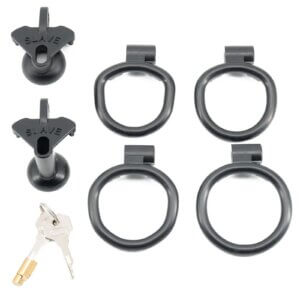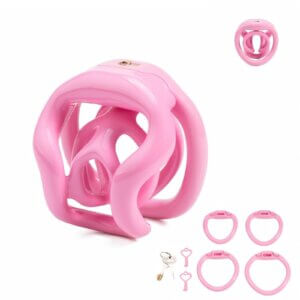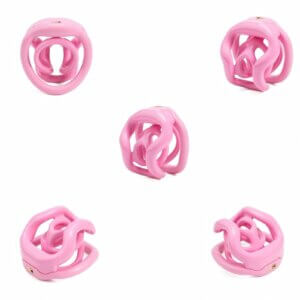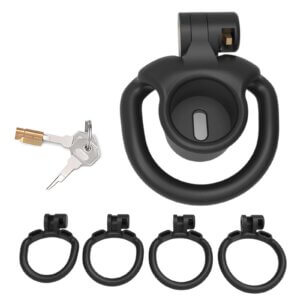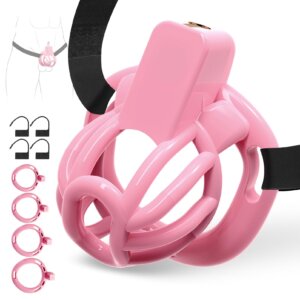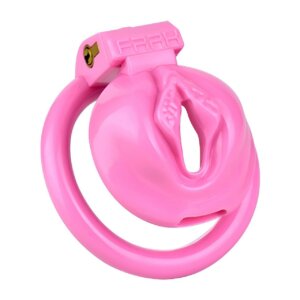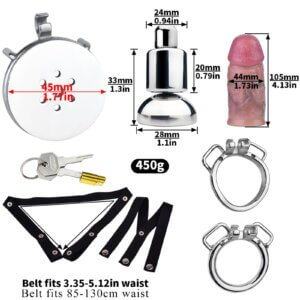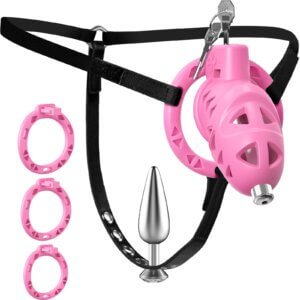


Many people first discover chastity through a fantasy.
Maybe it’s a story about long-term denial. Maybe it’s curiosity about self-control, anticipation, or the idea of making pleasure feel more meaningful through waiting. Whatever the starting point, many eventually realize that the most powerful part of the experience isn’t the cage itself.
It’s the waiting.
This is where the concept of edge, deny, and lock becomes so compelling.
While the phrase sounds simple, it describes a psychological process that combines orgasm denial, anticipation, uncertainty, and delayed gratification. Rather than focusing solely on restriction, the cycle shifts attention toward future possibilities and future rewards.
Over time, many practitioners discover that anticipation itself becomes part of the reward. Understanding how this cycle works helps explain why denial continues to appeal to so many people long after the novelty of a device has faded.
Why Edge, Deny, and Lock Feels Different From Simple Chastity
Not all chastity experiences feel the same.
Some people focus primarily on restriction. Others become fascinated by the emotional and psychological effects created by anticipation.
The edge-deny-lock cycle often belongs to the second category.
More Than Physical Restriction
A cage can limit access.
However, edging and chastity create a different type of experience.
Instead of removing desire, edging often increases awareness of it. The experience becomes less about physical restriction and more about how attention changes when gratification is delayed.
Many people first encounter this idea while progressing through a broader male chastity play that gradually shifts focus from physical restraint to psychological engagement.
Why Anticipation Becomes the Reward
People naturally look forward to things they value.
A vacation.
A major purchase.
A special event.
Often, the anticipation becomes almost as enjoyable as the experience itself.
The same principle applies to many forms of orgasm denial. The expectation of a future reward can create emotional engagement long before anything actually happens.
The Appeal of Delayed Gratification
One reason denial remains appealing is that it transforms waiting into something meaningful.
Instead of seeing waiting as an obstacle, participants begin treating it as part of the experience itself.
This shift in perspective creates a unique form of engagement that differs from immediate gratification.
Understanding the Edge → Deny → Lock Cycle
At the center of many denial experiences is a repeating anticipation cycle.
Each stage contributes something different to the overall experience.
Stage One: Building Arousal Through Edging
Edging creates awareness.
Attention becomes focused.
Anticipation begins to build.
Rather than immediately pursuing release, the experience encourages participants to remain present with the sensation of anticipation itself.
Stage Two: Denial and Emotional Tension
Denial introduces uncertainty.
The outcome becomes less predictable.
Future possibilities begin to occupy more mental space.
For many people, this emotional tension becomes one of the most engaging parts of the cycle because anticipation continues to grow without immediate resolution.
Stage Three: Locking in Anticipation
Locking adds structure.
The focus shifts away from immediate decisions and toward a longer timeline.
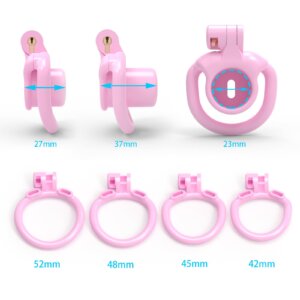
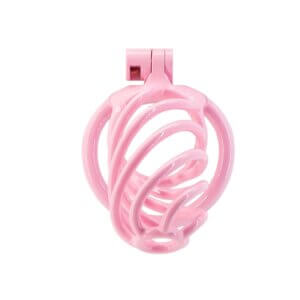
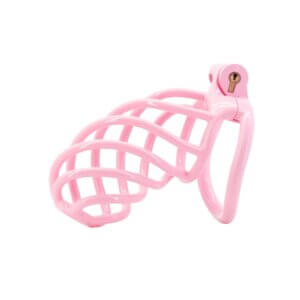
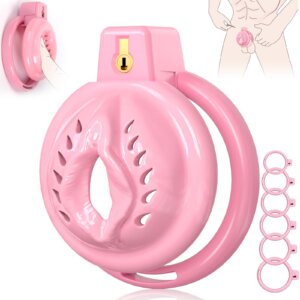
Many practitioners find that a comfortable chastity cage option helps reinforce the psychological commitment to the experience, allowing anticipation to continue developing over time.
Why the Anticipation Cycle Feels So Powerful
The anticipation cycle affects more than desire.
It changes how people think about rewards.
Dopamine and Future Rewards
Much of human motivation is driven by anticipation.
People often feel excitement before a reward arrives.
The expectation itself becomes emotionally meaningful.
This helps explain why a denial kink often remains psychologically engaging even when gratification is delayed.
Why Uncertainty Increases Focus
Predictable outcomes require less attention.
Uncertain outcomes demand more.
When the future remains open, people naturally spend more time imagining possibilities and potential outcomes.
This additional focus often strengthens emotional engagement.
The Vacation Planning Effect
Consider planning a vacation months in advance.
The trip itself may last only a week.
Yet many people spend months researching destinations, imagining experiences, and looking forward to the event.
Much of the enjoyment comes from anticipation rather than the event itself.
The anticipation cycle in chastity often follows a surprisingly similar pattern.
Fantasy Versus Practice
Fantasy frequently introduces people to edge, deny, and lock.
Practice teaches them how it actually works.
What Fantasies Usually Get Wrong
Many fantasies focus entirely on intensity.
They often ignore practical realities such as:
- Motivation fluctuations
- Scheduling constraints
- Personal boundaries
- Emotional needs
Fantasy can be inspiring, but reality requires flexibility.
Why Real Practice Requires Patience
Long-term success rarely comes from chasing increasingly intense experiences.
Instead, it usually comes from consistency.
Patience allows anticipation to develop naturally without turning the experience into a constant struggle.
Sustainable Expectations
Healthy expectations make long-term engagement easier.
People who approach denial with realistic goals often report greater satisfaction than those who constantly pursue escalation.
Those who are new to the experience frequently benefit from exploring low-stress denial challenges before attempting longer or more demanding forms of denial.
Using Edge, Deny, and Lock as Personal Training
Many practitioners eventually discover benefits that extend beyond the immediate experience.
Delayed Gratification Beyond Chastity
Delayed gratification appears throughout life.
Saving money.
Learning a skill.
Improving fitness.
Building a career.
The ability to focus on long-term outcomes often creates meaningful advantages.
Building Patience
Patience develops through practice.
The edge-deny-lock cycle provides repeated opportunities to become more comfortable with waiting and uncertainty.
Learning Intentional Control
Intentional control is different from suppression.
Instead of fighting every impulse, people learn to make conscious choices about how they respond to desire and anticipation.
Some long-term practitioners prefer secure metal chastity devices because consistency becomes more important than novelty as experience grows.
Common Mistakes With Orgasm Denial
Like any long-term practice, denial works best when approached thoughtfully.
Chasing Intensity Too Quickly
Many beginners assume stronger experiences automatically produce better results.
Often the opposite is true.
Gradual progression tends to create more sustainable engagement.
Mistaking Frustration for Progress
Frustration and growth are not the same thing.
A meaningful experience should create engagement, not constant dissatisfaction.
Ignoring Personal Limits
Every individual has different goals, preferences, and boundaries.
Respecting those limits helps keep the experience enjoyable over time.
Many people find it useful to revisit beginner anticipation exercises whenever they feel overwhelmed or overly focused on intensity.
What Long-Term Practitioners Often Discover
As experience grows, priorities often change.
Anticipation Outlasts Novelty
The novelty of a device eventually fades.
Anticipation often does not.
This is one reason why many people remain interested in denial for years.
Meaning Matters More Than Restriction
The physical aspects of chastity may attract attention initially.
The psychological meaning often becomes more important later.
Many people discover this transition while moving through a long-term chastity progression that gradually emphasizes mindset over mechanics.
Growth Happens Gradually
Meaningful change rarely happens overnight.
Patience, reflection, and consistency often produce the most lasting results.
FAQs
What does edge, deny, and lock mean?
The phrase generally refers to a cycle involving edging, denial, anticipation, and psychological engagement within a chastity dynamic.
Why does orgasm denial appeal to some people?
Many people enjoy the anticipation, emotional investment, and delayed gratification that denial can create.
What is the anticipation cycle?
The anticipation cycle describes how future rewards generate ongoing motivation, focus, and emotional engagement.
Is delayed gratification important in chastity?
For many practitioners, delayed gratification becomes one of the most meaningful psychological aspects of the experience because it encourages patience and long-term thinking.
Can beginners explore edge, deny, and lock safely?
Yes. Starting slowly, maintaining realistic expectations, and focusing on communication with yourself or a partner can help create a sustainable experience.
Is denial always about frustration?
No. For many people, the primary appeal lies in anticipation, curiosity, and the emotional significance created by waiting.
Final Thoughts
Many people begin exploring edge, deny, and lock because of curiosity.
Over time, however, they often discover that the real appeal runs deeper than physical restriction.
Anticipation, delayed gratification, and emotional investment help explain why the experience remains compelling long after the novelty of a cage has faded.
When approached thoughtfully, the edge-deny-lock cycle becomes less about withholding pleasure and more about understanding how anticipation shapes motivation, perception, and long-term engagement.