No Nut November mixes memes, community rules, personal experiences, and health claims. Those are not the same type of evidence. A highly upvoted post can show what a community believes, but it cannot prove a biological effect.
This fact check gives short conclusions and explains the evidence limit. Detailed health questions belong in dedicated evidence reviews.
Myth 1: NNN Has One Official Rulebook
Verdict: False. No central organization governs everyone who uses the term. Communities may publish rules for their own events, and friends or individuals may choose different versions. That is why sex, porn, edging, wet dreams, and free passes receive conflicting answers online.
Use the NNN rules guide to compare the shared core with community and personal versions.
Myth 2: Everyone Gets the Same Health Benefits
Verdict: Unsupported. Participants report many experiences—focus, frustration, energy, distraction, pride, or no meaningful change. Personal reports are real experiences, but they do not establish a universal outcome.
The direct 2025 study of NNN measured sexual pleasure, solitary desire, dysfunction, sexual flexibility, and sexual excitation. It did not find significant differences over the abstinence period in the measured outcomes between participants and non-participants.
Myth 3: NNN Permanently Raises Testosterone
Verdict: Not supported by NNN evidence. Short-term hormone findings from other abstinence contexts should not be stretched into a promise that a November challenge permanently raises testosterone. One small study found higher testosterone after three weeks of abstinence, but it did not study NNN or establish a permanent increase, and a single hormone measurement would not prove improved strength, confidence, or health. See the original PubMed record.
The dedicated testosterone page should examine individual studies and their limits rather than turning this overview into a medical article.
Myth 4: Abstinence “Resets Dopamine”
Verdict: Misleading simplification. Dopamine is involved in learning, motivation, movement, and many everyday functions; a neuroscience review describes it as a critical modulator of learning and motivation rather than a finite tank. It is not something an adult empties and refills by completing a calendar challenge. Someone may change cues and routines during NNN, but that is not proof of a neurological reset. See the peer-reviewed review in PubMed Central.
Myth 5: A Wet Dream Proves You Failed
Verdict: A community-rule question, not a medical fact. Many NNN communities do not count involuntary nocturnal emissions as failure. Others may publish stricter game rules. An involuntary event should not be treated as a moral failing.
Myth 6: Completing NNN Proves Discipline or Worth
Verdict: False. Completion proves only that someone reports completing the rule they followed. It does not measure masculinity, morality, relationship value, or general self-control. Stopping for wellbeing, consent, conflict, or changing priorities is a valid decision.
What the 2025 Study Can and Cannot Tell Us
The study, published in The Journal of Sexual Medicine and indexed by PubMed, analyzed 435 participants at the first time point and 114 at the second. The authors found no significant measured sexual-wellbeing effects associated with NNN participation over the study period.
The research is valuable because direct NNN evidence has been limited. It also had substantial drop-off and was observational, so it cannot settle every health question or predict every individual experience. The appropriate conclusion is modest: current direct evidence does not justify guaranteed benefit or harm claims.
Why Community “Facts” Still Matter
Community posts labeled as facts can reveal questions and vocabulary. For example, recurring r/nonutnovember “Skeletor’s NNN facts” posts attracted hundreds of comments. They show demand for daily explanations, not that every claim in a meme has been scientifically verified.
A Better Way to Evaluate a Claim
- Ask whether it is a rule, a personal experience, or a health claim.
- For health claims, look for original research and measured outcomes.
- Check whether the study actually examined NNN.
- Separate association from causation.
- Reject guarantees that go beyond the evidence.
Conclusion
NNN is a flexible internet challenge, not a settled medical protocol. Treat community rules as community rules, personal reports as anecdotes, and health claims as questions requiring appropriate evidence. That distinction is more useful than replacing one myth with another.
Related products
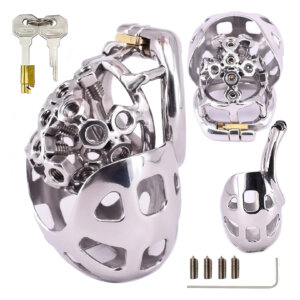
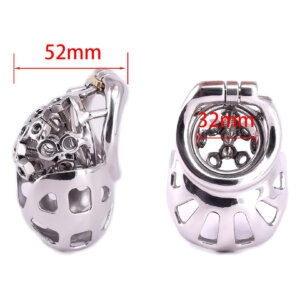
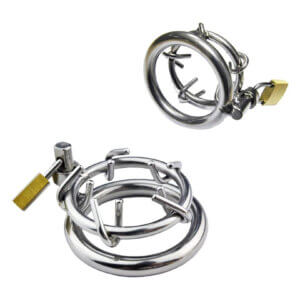
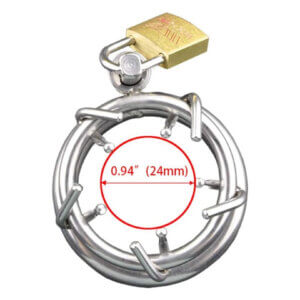
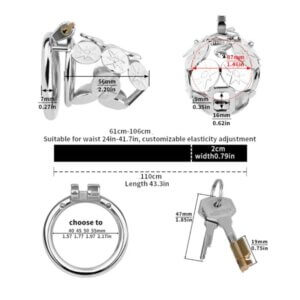
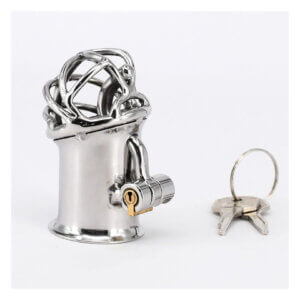
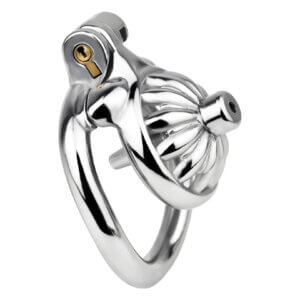
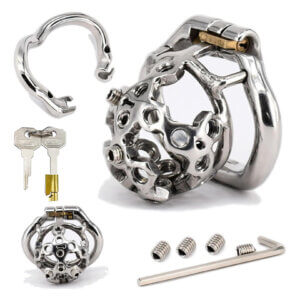
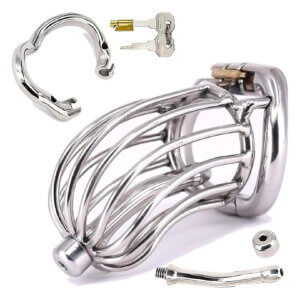 Guide pickAdjustable-Ring Metal Chastity CageAdjustable-ring metal option with selectable fit settings for adults comparing…
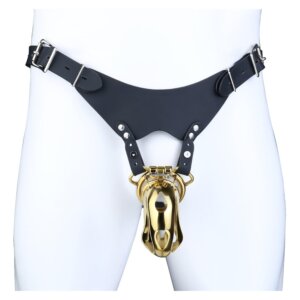
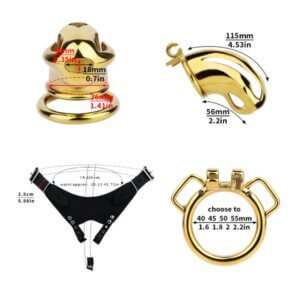
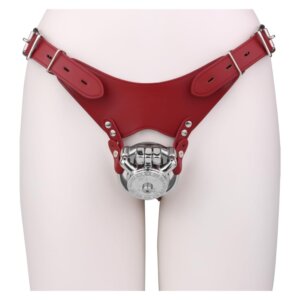
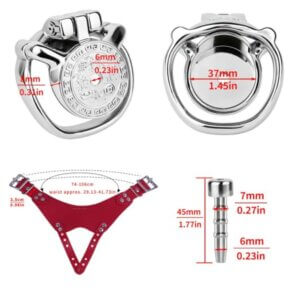
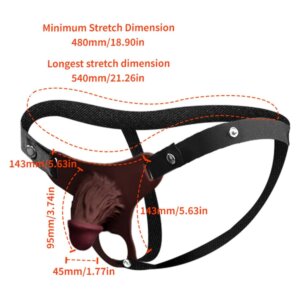
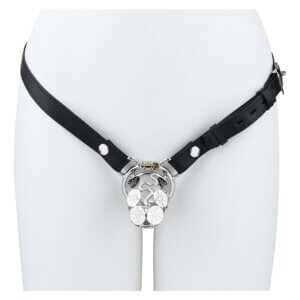 Guide pick2.2-Inch Metal Chastity Cage with BeltBelt-supported metal option with four selectable ring sizes and a built-in key…