
Locktober can be a playful adult experiment, but a full month is not the right starting point for everyone. This ten-question readiness check helps you choose among a short trial, a flexible version, a 31-day plan, postponing, or opting out.
If the event itself is unfamiliar, first read what Locktober means.
Before using the questions, review a first-time Locktober preparation guide for the basic planning context.
It is a decision aid—not medical clearance and not a test of toughness.
First, define what “trying Locktober” means
Are you considering continuous device wear, daytime wear, a three-day trial, device-free denial, or a partnered keyholder dynamic? A person ready for one version may not be ready for another.
Write your proposed format before answering the questions.
The 10-question readiness check
For each question, mark ready, needs preparation, or not applicable. Do not total the answers: one unresolved safety, consent, fit, or emergency-access issue matters more than a high overall score.
1. Do you have a personal, freely chosen goal?
Your reason might be curiosity, discipline, intimacy, submission, or community. Pressure from a partner, creator, customer, or online group is not a solid foundation.
2. Is everyone’s consent explicit and reversible?
Participants should be able to pause or stop without threats, humiliation, financial pressure, or punishment.
3. Have you tested the proposed format?
For a device, try short sessions and ordinary activities before consecutive wear. Feeld’s guide recommends experimenting with shorter periods before a month-long commitment.
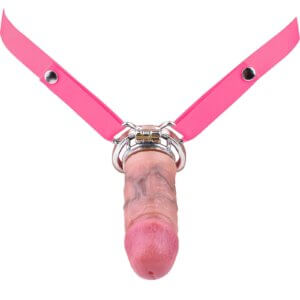
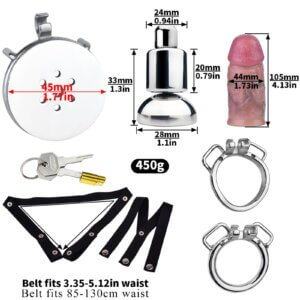
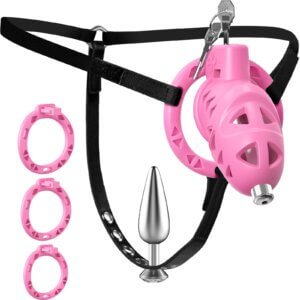
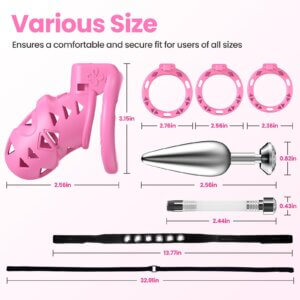
4. Is the device correctly fitted and removable?
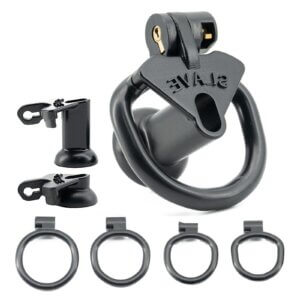
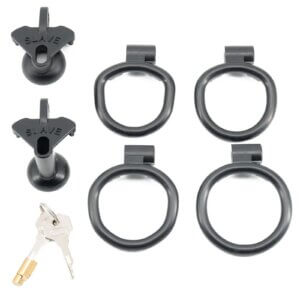
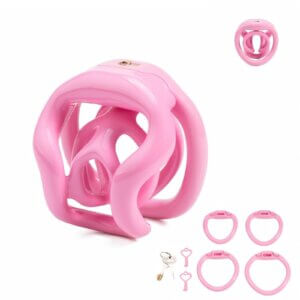
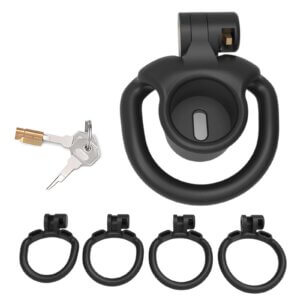
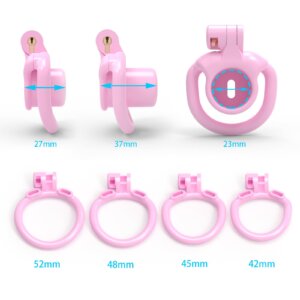
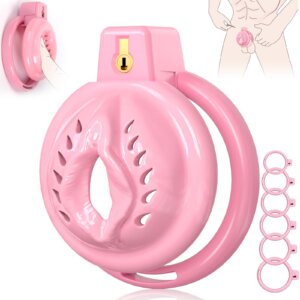
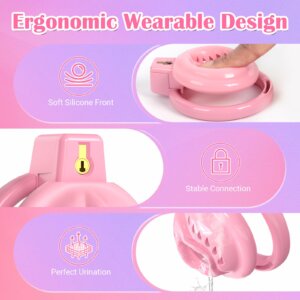
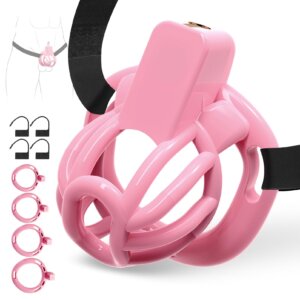
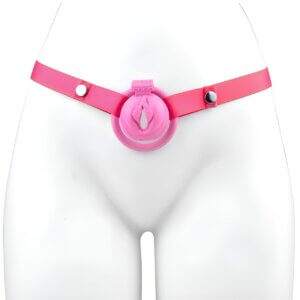
You should understand the ring, cage, lock, and removal process. “I hope it fits by October” means this item still needs preparation.
5. Do you have a hygiene and body-check routine?
Know how you will clean and dry yourself and the device, inspect skin, and respond to irritation.
6. Have you tested sleep and daily movement?
Walking, sitting, commuting, exercising, and sleeping can reveal problems that a brief fitting does not.
7. Have you planned for work, travel, privacy, and healthcare?
Consider security screening, shared housing, uniforms, changing rooms, appointments, and situations where private access is limited.
8. Is emergency removal always available?
The wearer must be able to remove the device promptly. A romantic idea about an unreachable key is not an emergency plan.
9. Can you communicate honestly with a partner or keyholder?
You should be able to report discomfort, boredom, anxiety, changing desire, or a need to stop without performing enthusiasm.
10. Do you have a written pause and stop plan?
List symptoms, emotional signals, consent changes, and logistical events that trigger a pause or end.
Turn your answers into a decision
- Proceed to a short trial: consent, fit, hygiene, ordinary activities, communication, and emergency removal are all ready.
- Choose a lower-commitment version: the plan is consensual, but duration or daily logistics still need testing.
- Postpone and prepare: any fit, cleaning, sleep, privacy, communication, or removal item is unresolved.
- Do not proceed with the current plan: participation is pressured, a device cannot be removed promptly, concerning symptoms are present, or honest communication is not possible.
A checklist cannot provide medical clearance, and no number of ready answers overrides a stop sign.
Automatic stop signs
Regardless of the other answers, stop and remove a device for persistent pain, numbness, tingling, swelling, discoloration, broken skin, difficulty urinating, equipment failure that prevents safe removal, or withdrawn consent. Seek appropriate medical care for serious or persistent symptoms.
Review the chastity cage safety guide before extended wear.
Lower-commitment alternatives
- A device fitting and one-hour test
- Daytime-only wear
- One evening or weekend
- Three nonconsecutive trial days
- Device-free denial with agreed rules
- A symbolic lock, journal, or calendar
- Joining the conversation without participating physically
Compare 3-day, 7-day, and 31-day Locktober schedules before choosing the shortest format that answers your goal.
Turn your answers into a written plan
Record the goal, dates, wear schedule, orgasm rules, cleaning windows, body checks, check-in times, emergency key location, privacy rules, healthcare exceptions, and stop conditions.
For a beginner plan, see your first Locktober.
What to discuss with a partner or keyholder
Ask what each person wants, what authority is actually being exchanged, how frequently you will check in, what information stays private, how either person can end the plan, and what happens after the challenge.
Readiness is a gate, not a score
A first Locktober planning guide can organize decisions, but it cannot calculate medical safety or turn uncertainty into permission. One unresolved issue with consent, fit, hygiene, communication, or emergency access matters more than nine comfortable answers. Use the questions to find preparation work, then choose a smaller plan or postpone rather than averaging a stop sign into a high score.
“Ready” should mean tested in ordinary life, not merely intended. For equipment, that includes short wear, cleaning, bathroom use, movement, removal, and recovery. For partnered play, it includes a real conversation about limits, privacy, check-ins, and what happens if either person’s interest changes.
Match the format to your answers
- Mostly ready: begin with a short trial and a scheduled review.
- Logistics unresolved: use device-free or limited-session rules while testing.
- Consent or communication unclear: postpone the partnered plan.
- Safety or emergency access unresolved: do not proceed with device wear.
The low-stress beginner challenges offers reduced-commitment formats. Use the fit and safety guide for equipment preparation, compare tested chastity cage choices only after sizing and the chastity for couples guide for partnered planning.
Build a fallback plan before you begin
A useful October plan is specific without becoming rigid. Write down the intended duration, any device schedule, who can change the rules, how often check-ins happen, and what ends the activity immediately. Consent is ongoing, so a previous yes never removes anyone’s right to pause, renegotiate, or stop. If a device is involved, fit, cleaning, ordinary bathroom use, and prompt emergency removal should be tested before a longer commitment. Pain, numbness, swelling, discoloration, broken skin, or difficulty urinating are stop signs, not achievements. Remove the device and seek appropriate medical care if symptoms are severe or persist.
A pause does not need to become a debate about willpower. Use a simple sequence: stop the activity, address the immediate need, share only the information required for safety, and decide later whether to resume. Couples can agree in advance that a safety pause carries no punishment and does not require intimate proof. Solo participants can use the same rule by writing it into the plan before motivation and frustration begin competing with judgment. This keeps the challenge inside the boundaries of adult play instead of letting the calendar dictate the outcome.
Decide in advance what counts as a planned break, how an emergency key is stored, when the first review happens, and how you will end the challenge without blame. A modest plan that can be discussed honestly is more ready than an ambitious plan built on silence.
The takeaway
You are ready to explore Locktober only when the plan fits your goal, body, daily life, consent, and exit options. Choose the smallest version that can answer your questions. October will return; your wellbeing is not seasonal.
FAQ
Can a total beginner do 31 days?
Being new is not an automatic prohibition, but attempting extended wear without gradual testing is unnecessary risk. Start shorter.
What if I change my mind?
Stop. Consent is ongoing. Changing your mind is not breaking a contract with the internet.
Does completing the checklist mean I am medically safe?
No. This checklist cannot assess individual health or replace professional advice.