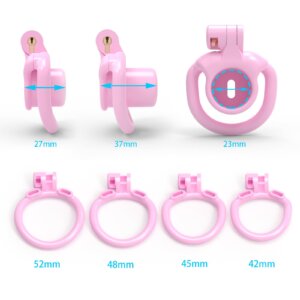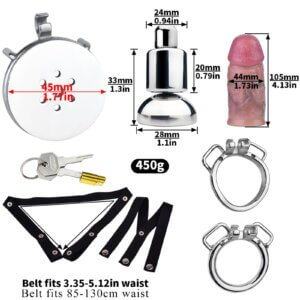


When most people first hear about chastity, they tend to focus on the cage. But experienced couples often discover that the cage itself is only a small part of the dynamic.
What keeps chastity engaging over weeks, months, or even years is anticipation.
A successful keyholder doesn’t simply hold a key. They help create structure, communication, rituals, and experiences that transform chastity from a physical restriction into a meaningful relationship dynamic.
Whether you’re becoming a chastity keyholder for the first time or looking to strengthen an existing relationship, this guide will show how anticipation, trust, and consistency can build a rewarding long-term experience for both partners.
Many couples first encounter these concepts through broader discussions of male chastity play, where emotional connection and shared participation gradually become more important than the device itself.
Stage 1 — Becoming a Chastity Keyholder
Before introducing rules, challenges, or rituals, it’s important to understand the role itself.
Many new keyholders assume their responsibility is controlling access to a chastity cage. In reality, the role is often much broader.
The best keyholders focus on communication, emotional awareness, and creating a positive experience that both partners enjoy.
What Does a Chastity Keyholder Actually Do?
A chastity keyholder typically helps guide the pace and structure of the dynamic.
Depending on the relationship, this may include:
- Setting expectations
- Creating routines
- Assigning challenges
- Monitoring progress
- Encouraging communication
- Celebrating milestones
The role looks different for every couple.
Some keyholders enjoy a playful dynamic, while others prefer a more structured approach.
The important thing is finding a style that works for both people.
Setting Expectations Together
One of the biggest mistakes beginners make is assuming expectations are obvious.
They rarely are.
Before establishing any dynamic, discuss:
- Goals
- Boundaries
- Comfort levels
- Communication preferences
- Areas of curiosity
Clear expectations reduce misunderstandings and create a stronger foundation.
Starting Small and Building Trust
Successful keyholder dynamics rarely begin with complicated systems.
Start with:
- Simple check-ins
- Short-term goals
- Basic routines
- Open conversations
Trust grows through consistency, not intensity.
If you’re still experimenting with the basics, these beginner chastity challenges can help establish confidence before introducing more advanced routines.
Stage 2 — Building Anticipation in Chastity Play
If the cage creates restriction, anticipation creates engagement.
Many experienced practitioners consider anticipation in chastity to be the true centerpiece of chastity play.
Morning and Evening Chastity Play Rituals
Rituals help create structure and reinforce participation.
Examples include:
- Morning check-ins
- Evening reflections
- Daily gratitude messages
- Shared goal reviews
These small interactions help keep the dynamic active even when nothing else is happening.
Daily Accountability and Check-Ins
Accountability isn’t about punishment.
It’s about staying connected.
Simple daily check-ins can include:
- Progress updates
- Personal reflections
- Challenges completed
- Future goals
The purpose is participation, not surveillance.
Using Small Challenges to Build Anticipation
Small challenges often create more anticipation than large restrictions.
Examples might include:
- Daily habits
- Relationship goals
- Fitness targets
- Productivity tasks
Challenges provide something to focus on while building momentum.
For adaptable prompts, choose keyholder task ideas that match the wearer’s experience, agreed boundaries, and current stage rather than increasing difficulty for its own sake.
Understanding the Psychology of Anticipation
One reason anticipation in chastity feels powerful is that it creates ongoing engagement.
Humans naturally enjoy looking forward to future rewards.
When anticipation becomes part of a dynamic, ordinary activities can take on new significance.
The excitement often comes not from immediate gratification, but from the process of waiting, planning, and imagining what comes next.
For many couples, choosing a comfortable first chastity cage helps support consistency while allowing anticipation to develop naturally.
Stage 3 — Creating Meaningful Chastity Control
Many newcomers misunderstand chastity control.
Control is not about creating constant restrictions.
Instead, effective control creates structure, consistency, and clarity.
Chastity Rules That Support the Dynamic
Rules provide predictability.
Examples include:
- Communication expectations
- Check-in routines
- Challenge participation
- Relationship rituals
Good rules support the relationship rather than dominate it.
Rewards, Privileges, and Motivation
Rewards can be powerful motivators.
Examples include:
- Milestone celebrations
- Special privileges
- Meaningful experiences
- Shared activities
Rewards work best when they reinforce participation rather than simply mark time.
Consistency Over Intensity
Many keyholders initially believe stricter rules create stronger dynamics.
In reality, consistency is often far more important.
A simple routine followed regularly usually creates better results than an elaborate system that quickly becomes difficult to maintain.
Some long-term practitioners eventually transition to a metal chastity cage because durability and security become more important over time.
Encouraging Participation Instead of Compliance
Healthy dynamics rely on engagement.
Rather than focusing on obedience, successful keyholders encourage:
- Communication
- Cooperation
- Accountability
- Shared investment
Participation creates ownership and long-term motivation.
Stage 4 — Keeping Chastity Play Fresh Over Time
One challenge many couples face is routine fatigue.
What feels exciting in the beginning can eventually become predictable.
Keeping chastity play fresh requires creativity and adaptation.
Surprise Challenges and Mystery Tasks
Unexpected experiences create excitement.
Examples include:
- Random challenges
- Surprise rewards
- Mystery assignments
- Spontaneous activities
The uncertainty itself often becomes part of the anticipation.
Milestone Celebrations
Milestones provide opportunities to recognize progress.
Celebrations don’t need to be elaborate.
Simple acknowledgments can help reinforce motivation and create positive memories.
Seasonal Themes and Relationship Rituals
Some couples enjoy introducing themes throughout the year.
Examples might include:
- Holiday challenges
- Monthly goals
- Anniversary rituals
- Seasonal activities
These variations help prevent stagnation.
Long-Term Motivation and Orgasm Denial Psychology
One reason orgasm denial psychology attracts attention is that anticipation often becomes emotionally significant.
Many people discover that the expectation of future rewards creates stronger engagement than the reward itself.
However, motivation should always remain positive and sustainable.
The goal is not frustration for its own sake, but creating a dynamic that both partners find meaningful.
Couples who feel their routine becoming predictable often benefit from revisiting new chastity challenge ideas that reintroduce novelty without creating unnecessary pressure.
Stage 5 — Growing Into a Mature Keyholder Dynamic
Long-term success depends on evolution.
As relationships change, the dynamic must adapt as well.
Communication Habits That Strengthen Trust
Communication remains the foundation of every healthy dynamic.
Successful couples regularly discuss:
- Expectations
- Challenges
- Goals
- Satisfaction levels
These conversations prevent misunderstandings and support continued growth.
Responsibility and Emotional Awareness
A mature keyholder understands that influence comes with responsibility.
Awareness, empathy, and patience are often more valuable than strict control.
Strong dynamics prioritize the well-being of both partners.
Adapting to Life Changes
Careers, family responsibilities, health concerns, and personal goals all affect relationships.
Flexibility allows the dynamic to evolve without becoming a source of stress.
Adaptation is a sign of strength, not failure.
Maintaining Connection Beyond the Cage
Over time, many couples realize that the most important parts of the experience have little to do with the cage itself.
Communication.
Trust.
Shared rituals.
Anticipation.
These elements often become the lasting foundation of the relationship.
As experience grows, many couples naturally progress toward a deeper understanding of long-term chastity play, where emotional engagement becomes the true focus.
What Successful Keyholders Have in Common
While every relationship is different, successful keyholders often share several characteristics.
Patience
Growth takes time.
Rushing rarely produces lasting results.
Consistency
Reliable routines build trust and stability.
Flexibility
Every dynamic evolves.
The ability to adapt keeps relationships healthy.
Communication
No skill is more important.
Open communication supports every aspect of keyholder dynamics.
Many experienced couples eventually explore different chastity cage options as their preferences and routines evolve.
FAQs
What is the role of a keyholder in chastity?
A keyholder manages only the responsibilities the partners have agreed on, such as holding a key, guiding check-ins, or setting a routine. The role also includes listening, protecting emergency access, and changing the plan when comfort or consent changes.
Do keyholders need to be strict?
No. A keyholder can be playful, supportive, firm, or mostly practical. The right style is the one both partners agreed to and can discuss honestly. Strictness should never be used to dismiss discomfort, a boundary, or a request to pause.
How do you build anticipation in chastity?
Combine a predictable ritual with a small amount of uncertainty. A scheduled check-in, a modest task, or a clearly defined reward gives the dynamic structure, while leaving one harmless detail undecided can preserve curiosity without creating anxiety.
What are the most important keyholder skills?
Clear communication, active listening, consistency, patience, and empathy matter more than performing authority. A good keyholder also notices changes in mood or physical comfort, keeps emergency access practical, and can revise a plan without treating revision as failure.
How can couples avoid boredom in long-term chastity?
Change one element at a time: the check-in format, a small task, a teasing cue, a shared goal, or a planned rest period. Review which parts still feel meaningful before adding intensity, complexity, or a longer lock-up.
Is chastity control the same as domination?
No. Chastity control can exist within a domination dynamic, but the two are not identical. Some couples use chastity mainly for anticipation, ritual, or connection. In every version, the keyholder role remains limited by mutual consent and agreed boundaries.
Final Thoughts
A successful keyholder dynamic is rarely built through control alone.
The strongest relationships combine anticipation, communication, trust, and shared participation. Over time, these elements create an experience that feels engaging, sustainable, and meaningful for both partners.
Whether you’re just becoming a chastity keyholder or refining an established dynamic, remember that the goal isn’t simply managing a cage. It’s creating an environment where anticipation can flourish, communication remains open, and both partners continue growing together throughout their chastity play journey.
For those looking to deepen the experience further, exploring different chastity cage options can help align the physical side of chastity with the emotional and psychological aspects that make the dynamic rewarding.