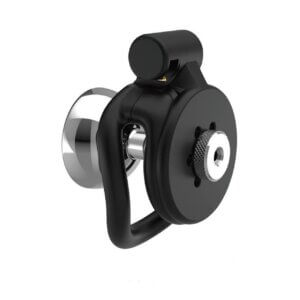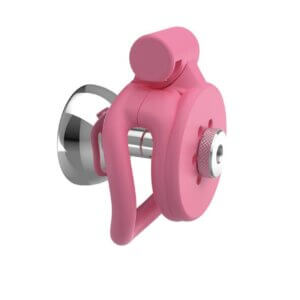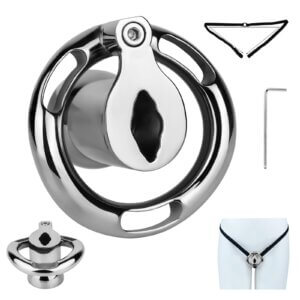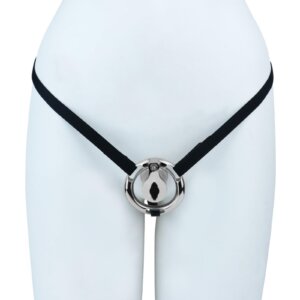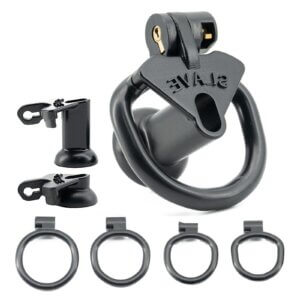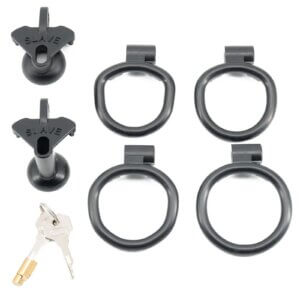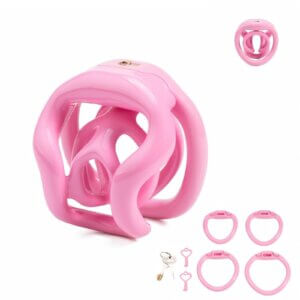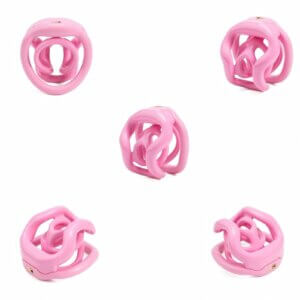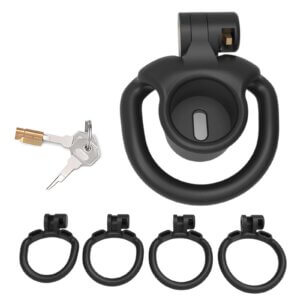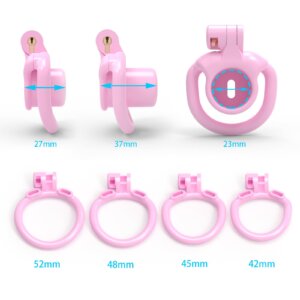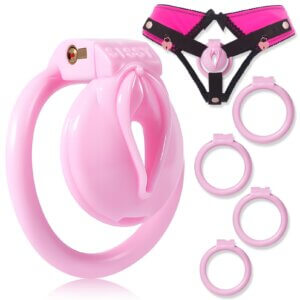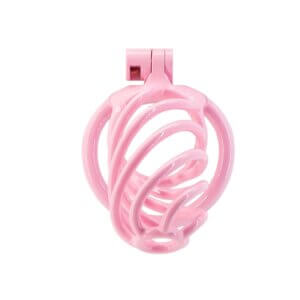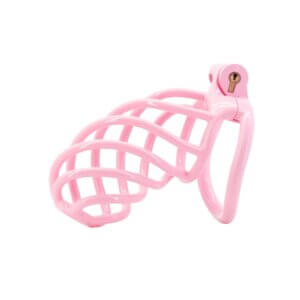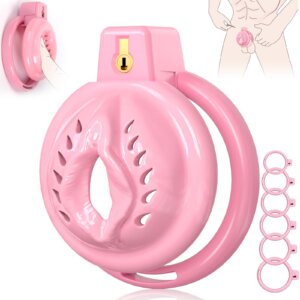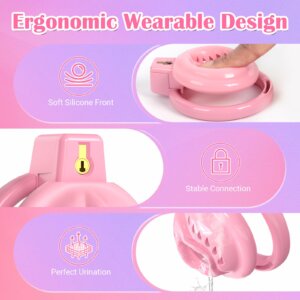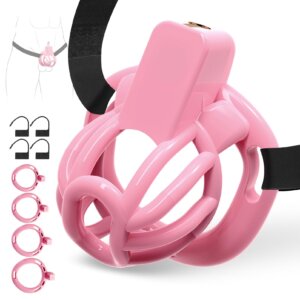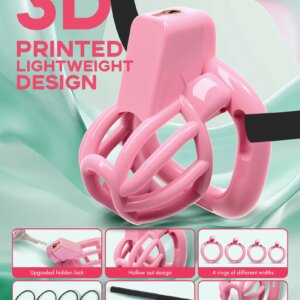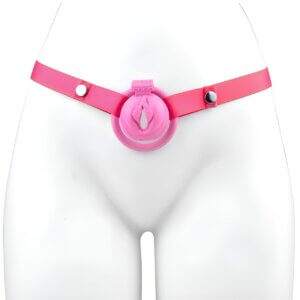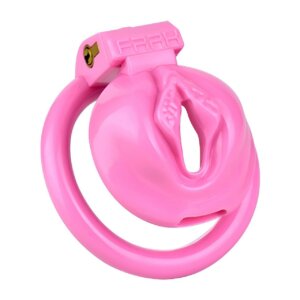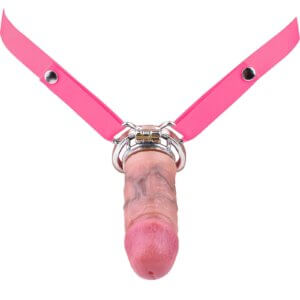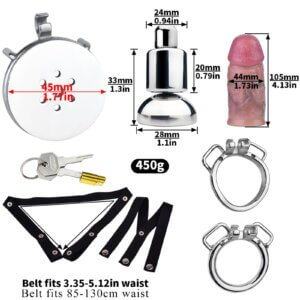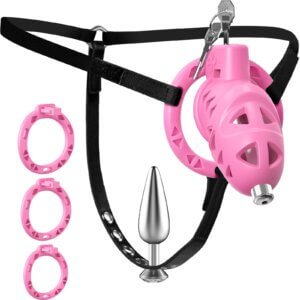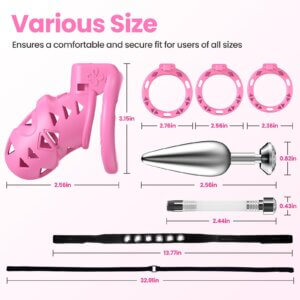


A chastity cage is not just a toy you buy because it looks intense. It is a wearable device that has to fit a real body, support a real routine, and still leave room for consent, hygiene, comfort, and emergency removal. The best chastity cage is usually the one that matches how you actually plan to use it, not the one that looks most dramatic in a product photo.
This guide is written for beginners, returning users, couples, keyholders, and anyone comparing devices before buying. It will help you decide what matters first, what can wait, and when a cage is a poor fit even if the fantasy feels exciting.
What a Chastity Cage Actually Needs to Do
A good chastity cage should limit direct access, reduce room for erection, stay stable during normal movement, and allow the wearer to urinate, clean, and remove it safely when needed. That sounds simple, but most bad purchases fail because one of those practical requirements was treated as secondary.
For a first purchase, do not start with the smallest or most restrictive design you can find. Start with a device that lets you learn your measurements, skin response, hygiene needs, and comfort limits. If you need a deeper fitting reference before choosing, the chastity cage size guide should sit beside this buying guide as your measurement companion.
Think of the cage as a system with four jobs:
- It has to fit your base ring area without cutting circulation.
- It has to hold the shaft without pinching, rubbing, or forcing unsafe compression.
- It has to match the time you plan to wear it.
- It has to support the dynamic you want without replacing communication.
If any one of those jobs is missing, the cage may be exciting for a few minutes and frustrating after that.
The Buying Decision Framework
Before comparing designs, answer four questions.
First, are you buying for solo exploration, partnered control, long-term wear, teasing, orgasm denial, feminization play, or a specific challenge such as Locktober? A beginner who wants weekend experimentation needs a different device than someone planning daily wear.
Second, how long do you realistically want to wear it? A cage for one evening can tolerate more novelty. A cage for daily routines needs better airflow, smoother contact points, easier cleaning, and less weight.
Third, how much experience do you already have? If this is your first chastity cage, your first chastity cage is a better decision lens than any fantasy ranking list. The first device should teach you what your body can tolerate.
Fourth, who will control the rules? Solo chastity still needs a removal plan. Partnered chastity needs consent, stop language, privacy boundaries, and a shared understanding that the keyholder dynamic does not remove the wearer’s safety needs.
Material Choices: Plastic, Silicone, Resin, or Metal
Material changes the feel, weight, hygiene routine, durability, and psychological tone of the device.
Plastic and resin cages are often easier entry points because they can be lighter and less intimidating. They may work well for short sessions, travel, or testing sizes. Their weakness is durability and hygiene: seams, enclosed designs, or cheap finishes can make cleaning harder.
Silicone cages can feel flexible and less severe, but flexibility is not always comfort. A soft device that shifts, pulls, or traps moisture can become annoying quickly. Silicone is usually better for light experimentation than for users who want a stable locked feeling.
Metal cages feel more serious. Stainless steel can be durable, open, and easier to clean when the finish is smooth and the design is sensible. The tradeoff is weight and fit precision. If you are comparing heavier designs, male chastity device types can help you understand how different cage shapes affect daily use.
For readers already leaning toward steel, the metal chastity cage options are best introduced after you understand your sizing and wear goal. Metal is not automatically better. It is better when the ring, tube, gap, finish, and weight fit your body and routine.
Size and Fit Come Before Fantasy
Sizing is the part most buyers want to rush, and it is the part that most often decides whether the cage becomes usable.
The base ring should feel secure without producing numbness, discoloration, sharp pain, or coldness. The cage length should leave enough room for the penis when flaccid without creating excessive empty space. The diameter should reduce movement without crushing tissue. The gap between ring and cage matters because it can determine whether the device pinches, pulls, or causes skin irritation.
Use measuring for a chastity cage before buying, then treat your first numbers as a starting range rather than a permanent truth. Bodies change during the day. Temperature, arousal, posture, hydration, and activity can all affect how a cage feels.
The safest buying mindset is this: a cage that is slightly less extreme but wearable is more valuable than a cage that looks perfect and has to come off immediately.
What Real Wearers Usually Learn the Hard Way
Forum discussions from experienced chastity wearers repeatedly show the same pattern: comfort is rarely about one measurement. It comes from the relationship between base ring, cage diameter, cage length, gap, weight, and the wearer’s daily habits.
In one long-term comfort discussion on Chastity Forums, several users described custom or carefully fitted metal cages as more comfortable than multiple off-the-shelf devices, but the useful takeaway is not “custom metal is always best.” The real lesson is that long-term wear exposes small fit errors that short sessions can hide.
In sizing discussions, users often debate whether a snugger or looser diameter prevents slippage, swelling, or night discomfort. The practical conclusion is cautious: a buyer should avoid assuming that “tighter” automatically means “more secure.” A too-tight cage can create its own problems.
Another fit-problem discussion repeatedly returns to gap issues, pinching, ball burn, and small adjustments that made one device usable while another remained uncomfortable. That is exactly why chastity cage fit problems belong inside the buying decision, not after the purchase.
These are anecdotal user experiences, not medical proof. They are useful because they reveal buying mistakes that product pages often do not explain: night wear can expose fit issues, cleaning access can decide whether daily wear is realistic, and a device that feels fine while standing may feel different while sitting, sleeping, or walking.
Device Types and Who They Suit
A short cage may suit users who want stronger restriction and less room for growth, but it requires careful sizing. A longer cage may feel less compressed, but too much empty length can allow movement, rubbing, or partial erection.
Open cages are usually easier to rinse and inspect, which matters for daily wear. More enclosed cages can look sleek but may trap moisture or make cleaning harder. A curved cage may sit better under clothing for some bodies, while a straight cage may feel simpler for short sessions.
The most comfortable chastity cage is not one universal design. It is the design whose tradeoffs match the wearer. If material comfort is your main concern, comfortable chastity cage material is a better supporting article than a generic product list.
Choosing by Scenario
For beginners, choose adjustability, smooth edges, moderate size, easy cleaning, and an emergency removal plan. Avoid extreme mini cages until you know your measurements and tolerance.
For daily wear, prioritize hygiene, airflow, stable ring fit, manageable weight, and the ability to urinate without awkward positioning. Daily wear also requires a schedule for cleaning and skin checks.
For couples and keyholders, choose a cage that supports the relationship dynamic without turning safety into a negotiation every time discomfort appears. The rules should say what happens when the wearer reports pain, numbness, swelling, skin damage, or panic.
For shoppers ready to compare products, the chastity cage collection should be used after you understand your desired material, size range, and wear scenario. Product browsing works better when the buyer already knows what to reject.
Safety, Hygiene, and Daily Wear
Stop wearing the device if you notice numbness, ongoing pins-and-needles sensations, coldness, blue or dark discoloration, sharp pain, skin breakdown, swelling, or trouble urinating. General medical guidance from the NHS guidance on pins and needles and Mayo Clinic guidance on serious or persistent groin pain support the broader principle: sensation changes and persistent pain should not be ignored.
This guide is not medical advice. A chastity cage is a sexual wellness product, and the wearer should remove it if something feels unsafe. Cleveland Clinic’s overview of penile disorders is another reminder that pain, injury, skin changes, or urinary problems deserve caution rather than endurance.
For longer wear, daily chastity cage tips should be part of the buying decision. A device that cannot survive normal routines will not stay useful for long.
Keep these safety habits in place:
- Check skin color and sensation regularly.
- Clean the device and skin according to the material and design.
- Dry fully after washing.
- Remove the cage for pain, numbness, swelling, broken skin, or urination problems.
- Keep an emergency key or removal plan available.
- Build consent and stop language into any partnered dynamic.
What Not to Do When Buying a Chastity Cage
Do not buy only from fantasy images. Do not assume smaller always means better. Do not ignore the base ring. Do not treat pain as proof of seriousness. Do not skip cleaning access. Do not choose a long-term cage before testing shorter sessions. Do not let a partner dynamic remove the need for consent, privacy, and emergency access.
A better purchase is often boring in the right ways: measured, wearable, cleanable, and suited to your real body.
Final Buying Checklist
Before buying, confirm:
- You know your approximate base ring size.
- You understand cage length, diameter, and gap.
- The material fits your wear goal.
- The design allows cleaning and urination.
- You have a removal plan.
- The device matches your play style, not only your fantasy.
- Any partner or keyholder rules include consent, stop language, and emergency access.
A chastity cage works best when it becomes part of a system: fit, comfort, communication, hygiene, and desire. Choose the device that supports that system, and your first purchase is far more likely to become something you can actually use.