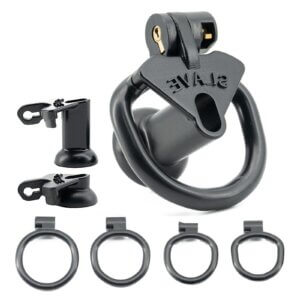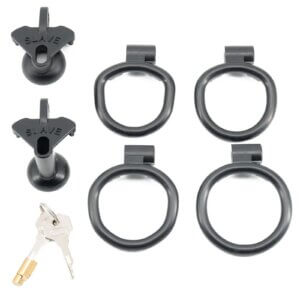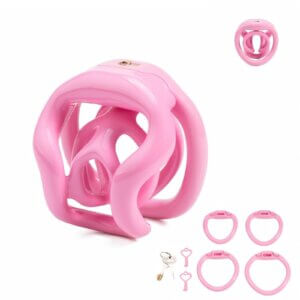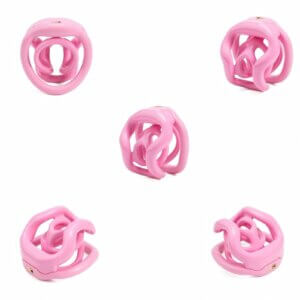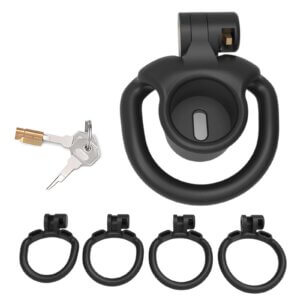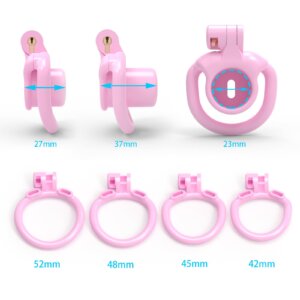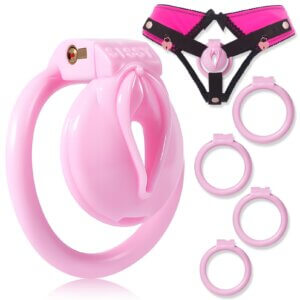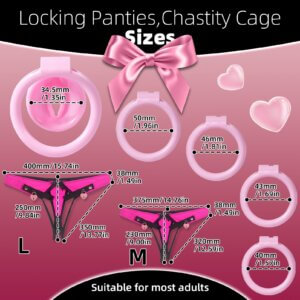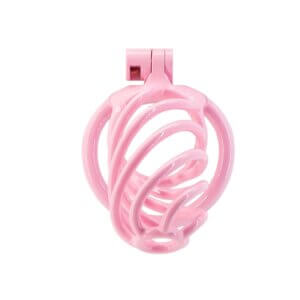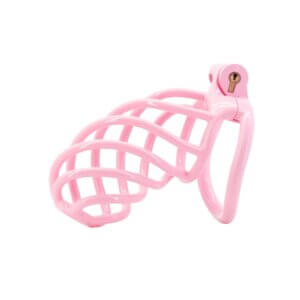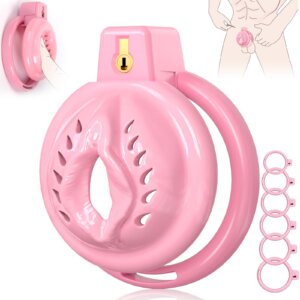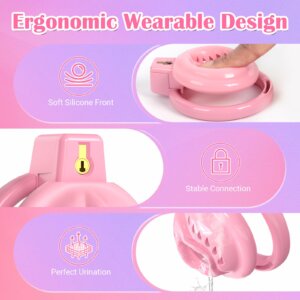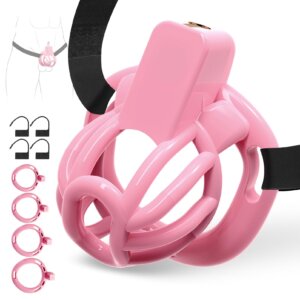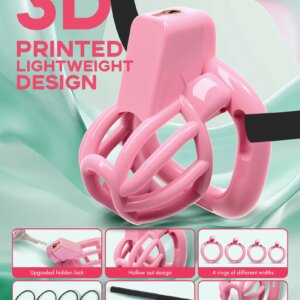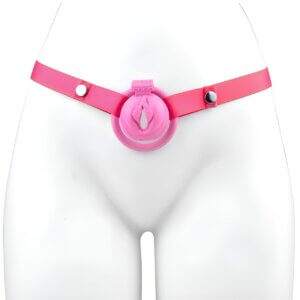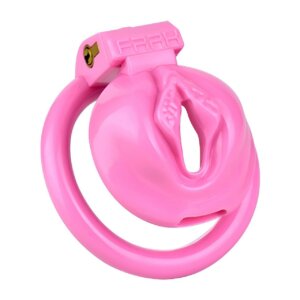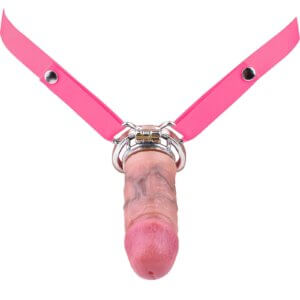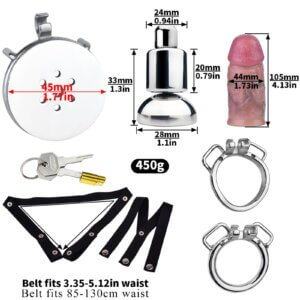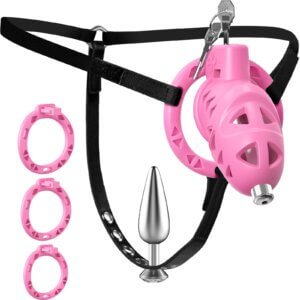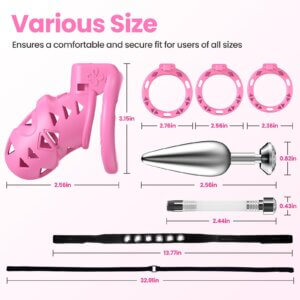


Pain, Comfort, and Choosing the Right Size
Wearing a chastity cage should feel secure and controlled, not painful, frightening, or unsafe.
Yet most problems people experience with chastity cages—pain, numbness, slipping, or circulation issues—come down to one thing:
Size and fit.
This guide explains how to choose the right chastity cage size, how to tell when a cage doesn’t fit properly, what pain is normal (and what isn’t), and how to wear a cage safely—whether you’re a beginner or considering long-term wear.
Why Size and Fit Matter More Than You Think
A chastity cage doesn’t work like clothing.
A slightly wrong size doesn’t just feel “a bit uncomfortable”—it can create pressure in the wrong places, restrict circulation, or make the cage ineffective.
Many people assume:
- “Pain is part of chastity”
- “Discomfort means it’s working”
- “I just need to endure it”
That’s not true.
Good chastity cages feel restrictive, not harmful.
Persistent pain, numbness, or swelling almost always indicates a fit issue, not a lack of tolerance.
Does a Chastity Cage Hurt?
Short answer: some discomfort can be normal—pain is not.
Normal Discomfort
These sensations are common, especially in the first few days:
- A feeling of pressure or tightness
- Mild soreness as your body adjusts
- Temporary night-time fullness during erections
These sensations should:
- Fade after short breaks
- Improve with small adjustments
- Never worsen over time
Real Pain (Warning Signs)
These sensations mean something is wrong:
- Sharp or stabbing pain
- Numbness or tingling
- Coldness or discoloration
- Deep aching that doesn’t improve after removal
Pain is a signal, not a challenge.
If pain persists, the cage should be removed and resized. Here is a detailed breakdown of chastity cage pain.
How to Know If Your Chastity Cage Is Too Big or Too Small
Fit problems usually show up in predictable ways.
3 Signs You Need a Smaller Chastity Cage
Common signs you need a smaller cock cage:
- The cage shifts or rotates during daily movement
- There is visible space between the shaft and the cage
- Erections cause swelling outside the cage rather than controlled pressure
A cage that’s too large often feels “comfortable” at first—but fails to provide control.
When a Cage Is Too Tight (And Why That’s Dangerous)
A cage may be too tight if:
- The base ring digs into the skin
- You experience numbness or color changes
- Erections cause sharp pain rather than pressure
Too tight is not more effective—it’s unsafe.
Smaller vs Nub Chastity Cages: Which One Is Right?
Smaller cages:
- Offer strong control
- Allow limited movement
- Suit many intermediate wearers
Nub cages:
- Minimize all movement
- Increase psychological control
- Require precise sizing and experience
If you don’t know how to design between a smaller cage or nub cage, a slightly smaller standard cage is usually safer than jumping directly to a nub.
How to Measure for a Chastity Cage Properly
Correct measurement prevents nearly all problems.
Base Ring Size
Measure behind the scrotum while relaxed.
Choose the smallest ring that:
- Does not pinch
- Does not restrict blood flow
- Allows two fingers without pressure
Cage Length and Gap
- Shorter cages increase control but reduce margin for error
- Larger gaps reduce pinching but can reduce security
Grower vs Shower Considerations
Growers often need:
- Slightly more internal space
- Adjustable or flexible designs
Is Wearing a Chastity Cage Safe Long-Term?
Yes—when sized correctly and worn responsibly.
Daily Wear vs 24/7 Wear
- Daily wear allows frequent checks and adjustment
- 24/7 wear requires perfect fit and hygiene discipline
Circulation, Numbness, and Shrinkage Myths
- Chastity does not cause permanent damage when worn safely
- Temporary size changes are usually circulation-related
- True injury comes from ignoring warning signs
When to Remove the Cage Immediately
Remove the cage if you notice:
- Loss of sensation
- Blue or dark discoloration
- Sharp pain or swelling
Safety always comes before endurance.
Common Size and Fit Mistakes Beginners Make
- Choosing a cage that’s too large “to be safe”
- Choosing a cage that’s too small to feel more controlled
- Focusing on cage length while ignoring ring size
- Ignoring adjustment periods
Chastity is about precision, not extremes.
Recommended Chastity Cages Based on Fit & Safety
Beginner-Safe Chastity Cages
- Adjustable designs
- Moderate length
- Comfortable base rings
Smaller and Nub Chastity Cages
- Designed for advanced control
- Require accurate measurement
- Best for experienced wearers
Adjustable Cages for Long-Term Wear
- Allow gradual fit changes
- Reduce risk during extended use
(Links here should point to your category pages or curated product collections, not random SKUs.)
Still Uncomfortable? What to Do Next
If discomfort continues:
- Re-measure
- Take breaks
- Adjust gradually
Chastity should feel controlled, deliberate, and sustainable—not painful.
For guidance on structure, rules, and progression, see our complete guide to chastity play and training.