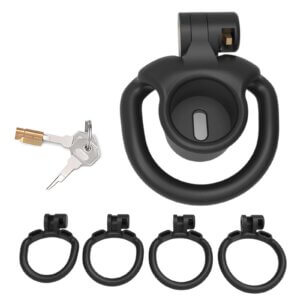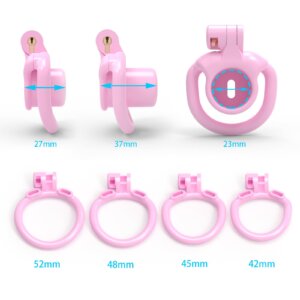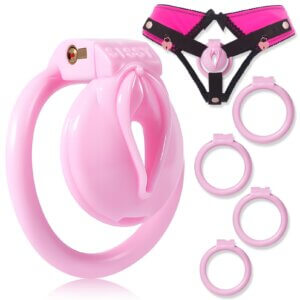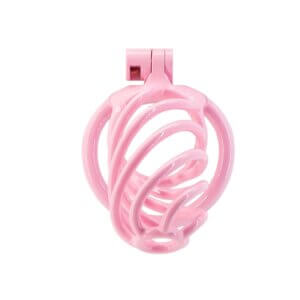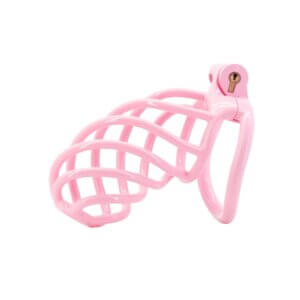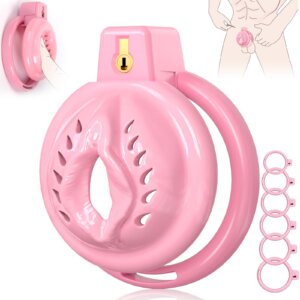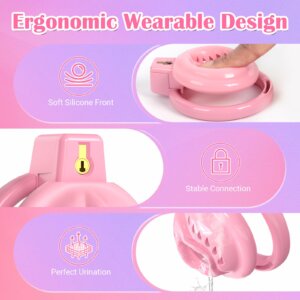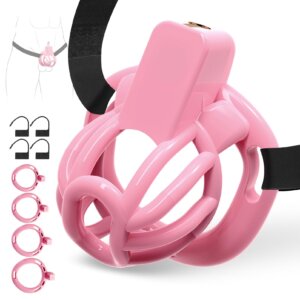


Locktober is often described as a male-chastity challenge, but participation does not have to be limited to cisgender men. Adults of different genders, bodies, orientations, and relationship styles can adapt the idea—provided the activity is consensual, physically appropriate, and defined by the people involved.
The useful question is not “Which gender is allowed?” It is “What kind of experience do you want, and what form is safe and meaningful for your body?”
Why Locktober is often described as a men’s challenge
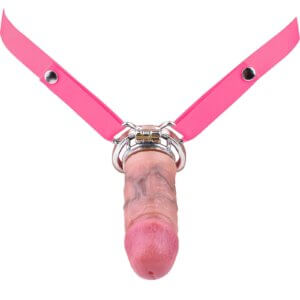
The tradition grew largely from online male-chastity and orgasm-denial communities. Many early posts centered on penis cages, male submissives, and a partner acting as keyholder. That history still shapes search results and product pages.
However, history is not a membership rule. Locktober.com describes the event as a flexible adult theme rather than a standardized competition, and contemporary guides increasingly acknowledge multiple bodies and ways to participate.
Who can participate—and what participation can mean
Women and people using chastity belts
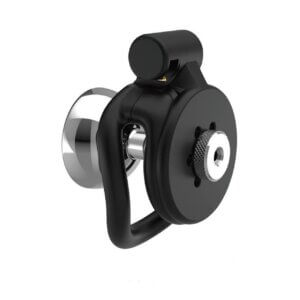
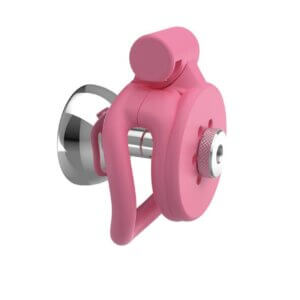
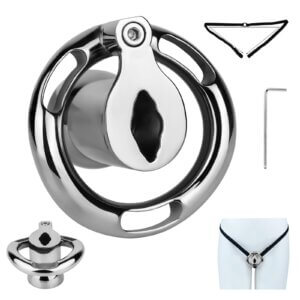
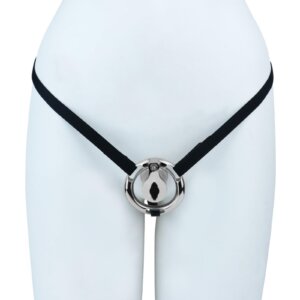
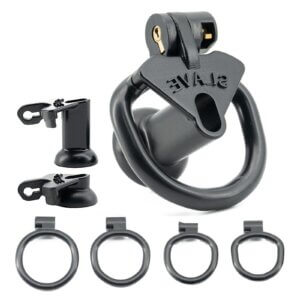
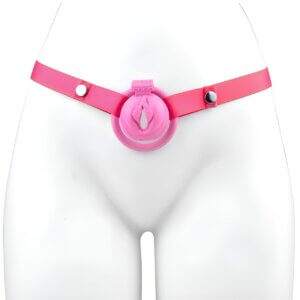
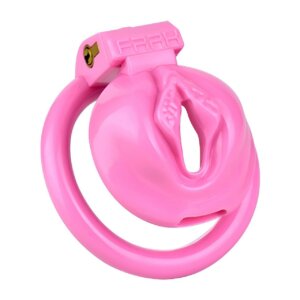
Some participants use belt-style devices designed around different anatomy. Others practice denial without a physical device. Device design, fit, hygiene, and emergency removal matter more than the label printed on a product page.
Trans and nonbinary participants
Gender identity does not determine which device or practice suits someone. A trans or nonbinary participant may use a cage, a belt, no device, or a symbolic ritual. Use the person’s language for their body and role rather than assuming terms based on appearance or sex assigned at birth.
Couples, solo players, keyholders, and switches
Locktober can be solo or partnered. One person may self-lock and track a personal goal. Partners may negotiate a temporary keyholder dynamic. Switches may alternate roles, and couples may build a shared challenge in which neither person is treated as merely an accessory to the other.
Device-based vs. device-free versions
A physical chastity device is traditional, but it is not the only possible format. Device-free options may include:
- A mutually agreed orgasm-denial period
- A daytime-only or weekend schedule
- A symbolic lock, bracelet, journal, or check-in ritual
- A focus on teasing, service, or other forms of intimacy
- A shorter trial before any month-long commitment
The people involved should agree on what “locked” and “success” mean before starting. If you are new to the underlying concept, begin with what is Locktober.
Build rules around bodies, not gender assumptions
Inclusive rules describe needs and actions. Instead of “the man wears the cage,” try “the wearer follows the agreed schedule.” Instead of assuming the keyholder is a woman or dominant, name the role without attaching a gender.
A practical plan should cover:
- The participant’s goal
- Device or device-free format
- Wear and cleaning schedule
- What activities remain allowed
- Check-ins, boundaries, and safewords
- Emergency access
- Conditions for pausing or ending the challenge
Inclusive language checklist
- Ask which body terms and pronouns each person prefers.
- Say “wearer” or “participant” when gender is irrelevant.
- Do not equate having a penis with being a man.
- Do not assume all women want belts or all men want cages.
- Keep participation voluntary; curiosity is not consent.
- Avoid presenting one D/s structure as the “correct” version.
Safety, consent, accessibility, and opt-out rules
Consent must remain reversible throughout the month. A keyholder role never removes the wearer’s ability to stop. Treat persistent pain, numbness, tingling, swelling, discoloration, broken skin, or difficulty urinating as stop signs: remove the device, and seek appropriate medical care if symptoms are severe or persist.
Some people cannot or do not want to use devices because of anatomy, disability, medication, sensory needs, work, travel, privacy, or previous experiences. Adapting or opting out does not make their boundaries less valid.
Participation is about consent and interest, not identity
Locktober is not a gender test and it does not require a particular body, orientation, or relationship role. The most useful question is whether consenting adults want to explore a form of restraint, anticipation, structure, or power exchange. A woman may participate as a wearer, keyholder, switch, or solo planner. Trans and nonbinary adults may adapt language and equipment to their own bodies. Couples may participate without assigning stereotyped dominant and submissive roles.
Separating four ideas prevents confusion: identity describes who someone is; anatomy affects practical fit; equipment is an optional tool; and relationship roles are negotiated. None of those automatically determines the others. Inclusive writing should therefore use terms such as wearer, participant, partner, and keyholder unless a person chooses more specific language.
Choose a format that fits the people involved
- Device-free: compare device-based and device-free Locktober formats, then agree on denial, teasing, rituals, or daily check-ins without buying equipment.
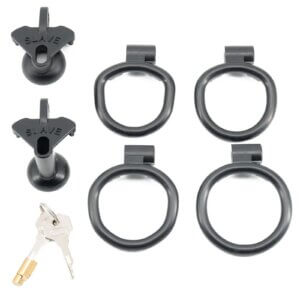
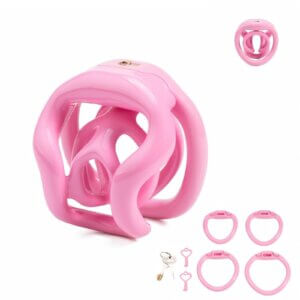
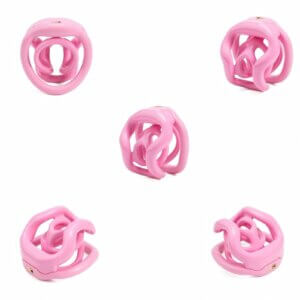
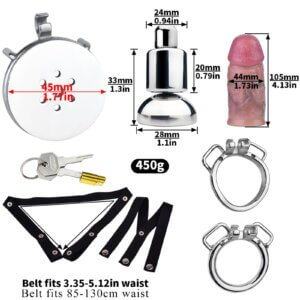
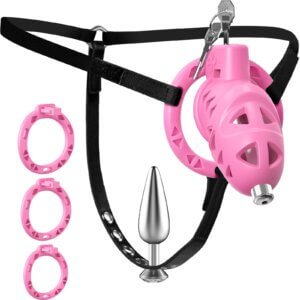
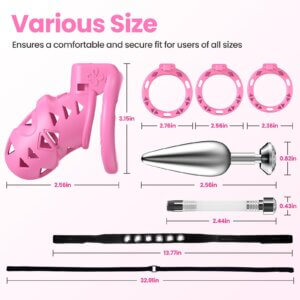
- Device-based: select inclusive chastity device options and test equipment during ordinary activities before extending wear.
- Partnered: define who holds which decisions and how either person can call a pause.
- Solo: use written goals, reminders, or self-chosen rewards without pretending an absent keyholder controls the plan.
Readers comparing formats can use the chastity for couples guide and our beginner chastity routine. For people considering equipment, the chastity cage fit and safety guide is a better starting point than choosing a device from gendered marketing alone.
Before committing, use the 10-question Locktober readiness check to test consent, fit, privacy, emergency access, and stop rules.
Plan for comfort, privacy, and language
A useful October plan is specific without becoming rigid. Write down the intended duration, any device schedule, who can change the rules, how often check-ins happen, and what ends the activity immediately. Consent is ongoing, so a previous yes never removes anyone’s right to pause, renegotiate, or stop. If a device is involved, fit, cleaning, ordinary bathroom use, and prompt emergency removal should be tested before a longer commitment. Pain, numbness, swelling, discoloration, broken skin, or difficulty urinating are stop signs, not achievements. Remove the device and seek appropriate medical care if symptoms are severe or persist.
A pause does not need to become a debate about willpower. Use a simple sequence: stop the activity, address the immediate need, share only the information required for safety, and decide later whether to resume. Couples can agree in advance that a safety pause carries no punishment and does not require intimate proof. Solo participants can use the same rule by writing it into the plan before motivation and frustration begin competing with judgment. This keeps the challenge inside the boundaries of adult play instead of letting the calendar dictate the outcome.
Ask participants what words feel affirming and what terms they want avoided. Privacy also matters: nobody owes a public photo, a social-media update, or disclosure to friends in order for the experience to count. The best version is one that respects both the body and the identity of each person involved.
The takeaway
Locktober has a male-chastity-heavy history, not a gender gate. Center bodies, goals, consent, and access. An inclusive challenge is one people can freely shape—and freely leave.
FAQ
Do you need a penis to participate?
No. The best-known tradition centers on penis cages, but adults can define chastity or denial in ways appropriate to different bodies.
Can partners participate together?
Yes. They can create parallel goals, exchange roles, or design a shared ritual. Each person needs their own boundaries and stop conditions.
Is device-free participation still Locktober?
Some communities use a narrower device-based definition; others accept flexible versions. State your rules clearly rather than arguing over ownership of the label.