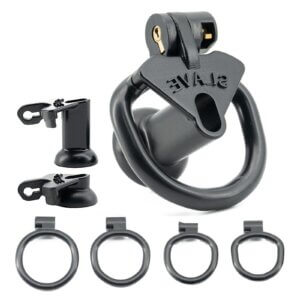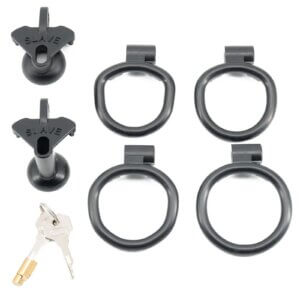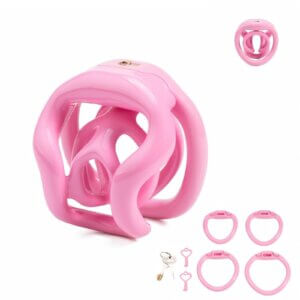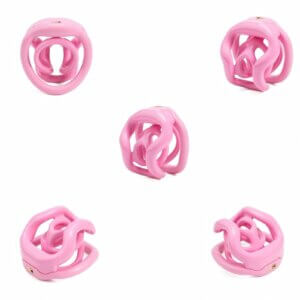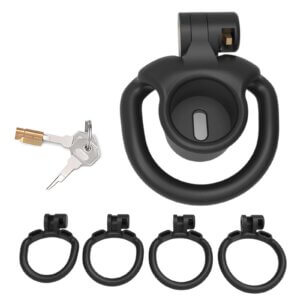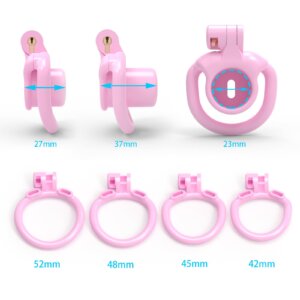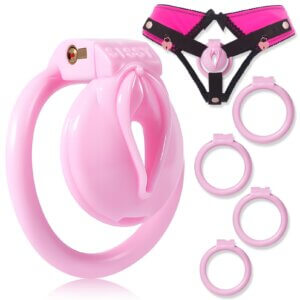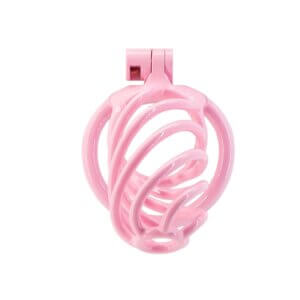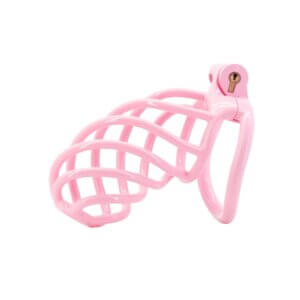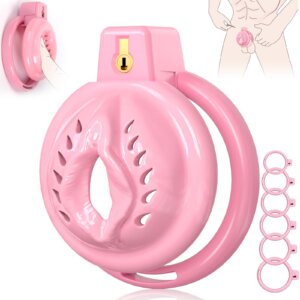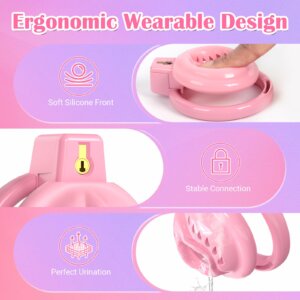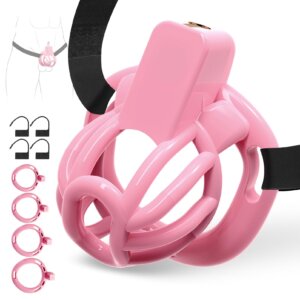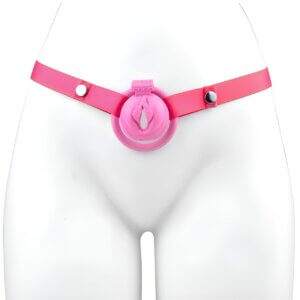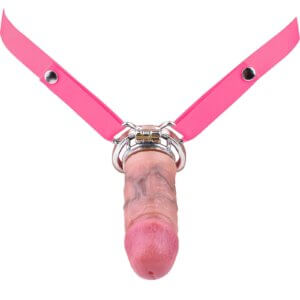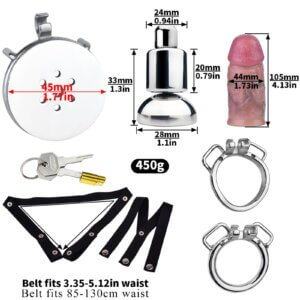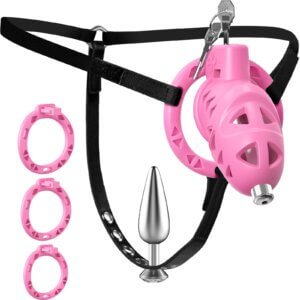

You do not necessarily need a chastity cage for Locktober. A physical device is the traditional and most recognizable version, but there is no universal rulebook. Adults also create device-free, daytime-only, symbolic, or gradual versions based on their goals, experience, bodies, and relationships. If the event itself is new to you, first read what Locktober is; then compare short and full-month schedules.
The right choice is not the one that looks most “hardcore.” It is the one you can practice consensually and safely.
What most people mean by “doing Locktober”
The classic version involves wearing a chastity cage for part or all of October, sometimes with a partner holding the key. Other versions focus on orgasm denial or an agreed limit on sexual release.
Locktober.com and KINK3D’s overview both emphasize that participants use different schedules and rules. That flexibility matters because device fit, hygiene, sleep, work, travel, and privacy can change what is realistic.
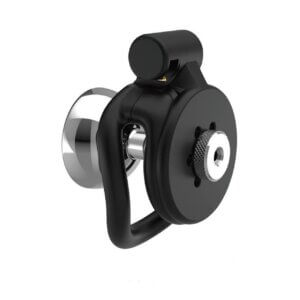
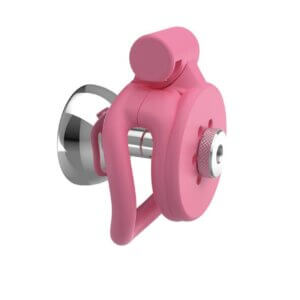
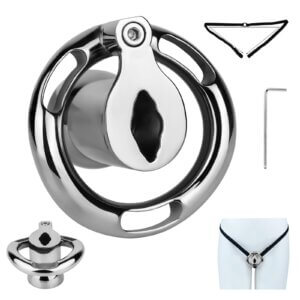
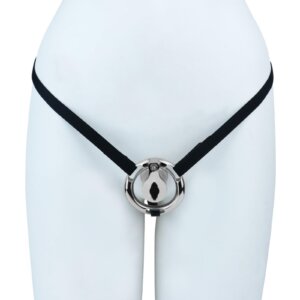
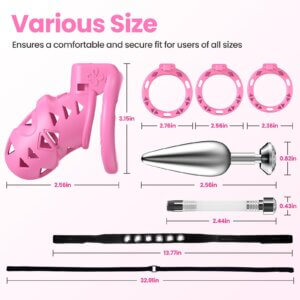
Option 1: A physical chastity device
A device turns an agreed rule into a physical boundary. Some people value the constant reminder, anticipation, or power-exchange element. It can also create practical demands.
Consider:
- Correct measurements and fit
- Body-safe material and a smooth finish
- Access for urination and cleaning
- Sleep, exercise, travel, and workplace needs
- An immediately accessible emergency key or removal method
- A gradual test period before extended wear
A cage should not be treated as something to endure through pain. If you experience persistent pain, numbness, swelling, discoloration, broken skin, or urinary problems, remove the device; seek appropriate medical care if symptoms are severe or persist. Review our chastity cage safety guide before planning longer wear.
Option 2: Device-free orgasm denial
A device-free version relies on an agreement or honor system. The participant may avoid orgasm for a defined period while allowing other forms of intimacy, or follow a partner-negotiated plan.
This format removes hardware costs and fit problems. It may also be more accessible for people whose anatomy, health, sensory needs, living situation, or work makes a device impractical. The psychological experience will not be identical to physical chastity, but it can still create anticipation, ritual, or intentional restraint.
Option 3: Symbolic, daytime-only, or gradual participation
Locktober does not have to jump from zero experience to 31 days of continuous wear. Alternatives include:
- Wearing a device only during the day
- Trying a few hours, then an evening, then a weekend
- Using a numbered seal rather than a heavy lock
- Wearing a symbolic key, bracelet, or lock
- Scheduling device-free sleep and cleaning windows
- Completing a three-day or seven-day mini challenge
Feeld’s guide recommends testing ordinary activities before committing to a month.
Solo self-locking vs. keyholder-led participation
Solo participation gives you complete control over rules and release. A journal, tracker, sealed envelope, or trusted accountability partner can add structure without giving anyone unsafe control.
A keyholder-led version can emphasize trust or power exchange, but it requires more communication—not less. Agree on access, check-ins, privacy, permitted activities, and stop conditions. The wearer must be able to withdraw consent.
Which format fits your goal?
|
Goal |
Possible format |
Main consideration |
|---|---|---|
|
Learn whether chastity interests you |
Short device trial |
Fit and comfort |
|
Practice self-discipline |
Device-free rules |
Clear, realistic boundaries |
|
Explore power exchange |
Partnered/keyholder plan |
Consent and communication |
|
Join the seasonal ritual |
Symbolic or flexible challenge |
Define what counts for you |
|
Prepare for longer wear |
Gradual schedule |
Hygiene and daily logistics |
Beginner safety gate
Before extended device wear, you should be able to wear and remove the device confidently, clean yourself and the device, urinate normally, complete routine activities, and access an emergency key. A month-long deadline is not the place to discover that the ring size is wrong.
Start with the experience, not the equipment
A cage can make the theme tangible, but it is not the definition of Locktober. Before shopping, decide what you actually want: a shared ritual, reduced access, anticipation, a daily discipline practice, or a month-long power-exchange story. Once the goal is clear, it becomes easier to choose a device-based, device-free, or hybrid version. If equipment fits the plan, compare beginner chastity cage options without treating a purchase as proof of commitment.
Device-free options can include a negotiated no-orgasm rule, planned teasing, a sealed written agreement, daily check-ins, or a symbolic key. A hybrid plan might use a device only during short, tested periods and rely on agreed behavior at other times. These formats are especially useful for beginners, travelers, people with privacy constraints, or anyone whose body does not tolerate a device.
If you choose a cage, test before October
Do not make day one of a 31-day challenge the first real wear test. Check sizing, skin contact, urination, cleaning, sleep, exercise, and removal during short sessions. Our complete chastity cage guide explains common designs, while the fit and safety guide focuses on measurement and warning signs. The chastity and exercise guide can help readers think through movement rather than assuming every routine is compatible.
Build an option tree before committing
- If equipment is comfortable in short tests, choose a limited schedule and reassess.
- If equipment is uncomfortable or impractical, use a device-free or symbolic format.
- If a partner is involved, agree on access, check-ins, and who keeps an emergency key.
- If the plan interferes with health, work, sleep, or hygiene, scale down or stop.
A useful October plan is specific without becoming rigid. Write down the intended duration, any device schedule, who can change the rules, how often check-ins happen, and what ends the activity immediately. Consent is ongoing, so a previous yes never removes anyone’s right to pause, renegotiate, or stop. If a device is involved, fit, cleaning, ordinary bathroom use, and prompt emergency removal should be tested before a longer commitment. Pain, numbness, swelling, discoloration, broken skin, or difficulty urinating are stop signs, not achievements. Remove the device and seek appropriate medical care if symptoms are severe or persist.
A pause does not need to become a debate about willpower. Use a simple sequence: stop the activity, address the immediate need, share only the information required for safety, and decide later whether to resume. Couples can agree in advance that a safety pause carries no punishment and does not require intimate proof. Solo participants can use the same rule by writing it into the plan before motivation and frustration begin competing with judgment. This keeps the challenge inside the boundaries of adult play instead of letting the calendar dictate the outcome.
Once you choose a format, turn it into a realistic first-Locktober plan with written safety checks, review points, and exit conditions.
The takeaway
A cage is traditional, not compulsory. Choose the format that matches your goal and experience, write the rules before you begin, and treat stopping or adjusting as responsible decision-making—not failure.
FAQ
Does removing a cage for cleaning count as failure?
It should not. Essential hygiene and safety should be written into the rules.
Can you sleep unlocked?
Yes, if that is your plan. Some people use daytime-only schedules, especially while learning how their body responds.
Is device-free participation “real” Locktober?
Definitions vary. If community recognition matters to you, explain your version. Your health and consent matter more than winning a terminology debate.