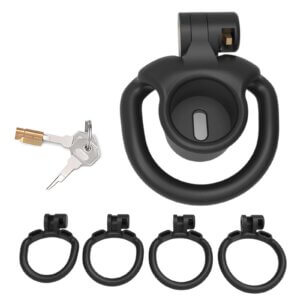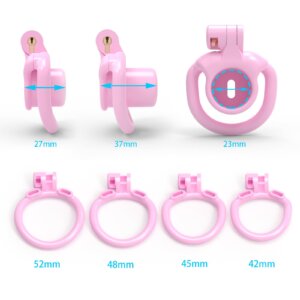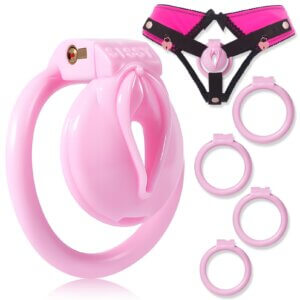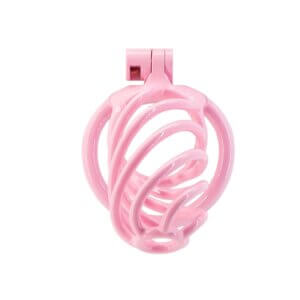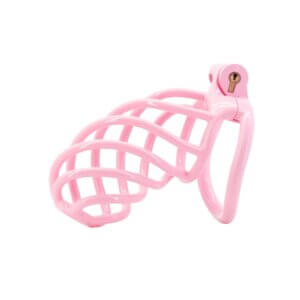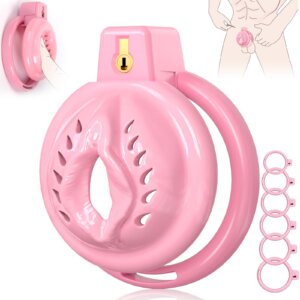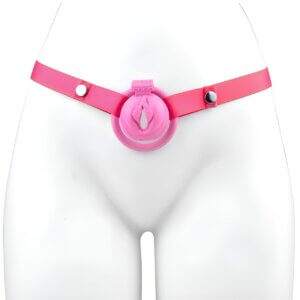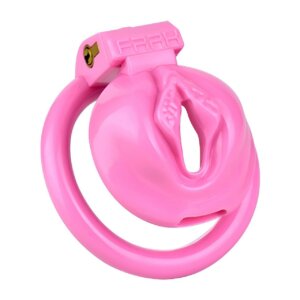

As the beginner definition of Locktober explains, there is no official rulebook, so there is no universal definition of failure. If you and a partner never agreed on whether cleaning unlocks, accidental orgasms, device-free sleep, or missed check-ins count, you cannot fairly judge the result afterward.
A clear negotiated Locktober rules framework makes pauses and exceptions easier to classify.
More importantly, safety and consent always outrank the challenge. Removing a device because of pain, numbness, swelling, discoloration, skin damage, urinary trouble, anxiety, or withdrawn consent is responsible—not failure.
Why there is no universal definition
Some participants define Locktober as staying in a device as much as practical. Others require continuous wear except for cleaning. Some focus on orgasm denial, while others permit orgasm as long as the cage remains part of the experience.
Locktober.com and KINK3D both describe flexible community practices. The absence of a central authority is not a problem if participants write clear, consensual rules.
Define your version before October starts
Agree on four categories:
Wear schedule
Is the device worn 24/7, during the day, on selected days, or not used at all?
Orgasm policy
Are orgasms prohibited, partner-controlled, permitted while caged, or outside the scope of the challenge?
Unlock policy
List cleaning, medical care, exercise, travel, sleep, resizing, and emergency exceptions.
Accountability
Will you use check-ins, a journal, numbered seals, photos, or no verification? Never create proof rules that compromise privacy or safety.
What usually should not count as failure
Cleaning and body checks
Hygiene is maintenance, not cheating. Planned removal may be necessary for thorough cleaning and skin inspection.
Medical or safety removal
Pain, numbness, tingling, swelling, discoloration, broken skin, or difficulty urinating are reasons to remove the device. Seek appropriate medical care when symptoms are severe or persist.
Resizing or equipment failure
A poor fit is a problem to solve, not a test of willpower. Stop and reassess.
Withdrawing consent
Anyone may end participation. No negotiated kink rule overrides that right.
Common gray areas
Accidental orgasm
Decide whether intent matters. Some plans treat it as a reset; others record it and continue.
Nocturnal events
Involuntary bodily responses are not chosen behavior. Writing them as “failure” can turn a playful challenge into unnecessary shame.
Device-free days
If the schedule allows them, they are part of the plan. If not, discuss what happened rather than inventing punishment afterward.
Missed check-ins
A missed message may be a logistics problem, not a consent violation. Confirm wellbeing first.
Stop, pause, downgrade, or restart
- Stop: concerning symptoms, withdrawn consent, or significant distress
- Pause: temporary illness, travel, equipment issue, or need for discussion
- Downgrade: switch from 24/7 to daytime, from 31 days to seven, or from a device to device-free rules
- Restart: only when the participant freely wants to and the underlying issue is resolved
Reddit beginner discussions commonly acknowledge that stopping halfway is acceptable. A streak is not worth hiding a problem.
How partners should respond
A partner or keyholder should not shame, threaten, withhold emergency access, or unilaterally redefine consent. Respond with curiosity: What happened? Was the rule unclear? Was there discomfort? Does the plan need to change?
For preparation guidance, see your first Locktober and the chastity cage safety guide.
Copyable success-and-exceptions template
Our goal is ______. The challenge runs from ______ to ______. The wear schedule is ______. Orgasms are ______. Planned unlocks include cleaning, body checks, healthcare, and ______. Either person may pause or stop without punishment. Concerning physical symptoms require immediate removal. We will check in every ______ and review the plan on ______.
Define success before the challenge begins
“Failure” becomes confusing when participants never agreed on what success meant. One person may think removal ends the challenge, while another assumes hygiene, medical needs, travel, or agreed breaks are normal. A short written agreement can separate planned exceptions, accidental rule breaks, consent changes, and safety stops before anyone is disappointed.
A useful Locktober rule planning guide places safety and consent above game rules. Next come essential life needs such as hygiene, sleep, work, travel, and healthcare. Only after those are protected should participants decide how to treat optional rules, rewards, streaks, or playful consequences. This prevents a symbolic challenge from competing with real wellbeing.
Four responses to a rule break
- Continue: note the event and keep the original end date.
- Adjust: change a rule that proved unrealistic or ambiguous.
- Restart: choose a new streak only if everyone genuinely wants that format.
- End: stop without penalty when interest, consent, or practical conditions change.
The chastity cage rules guide can help participants choose clear rules rather than copy a rigid list. When a plan needs physical tools, any physical tools should support—not dictate—the agreement. The SSC and RACK consent guide explains why risk awareness and reversibility matter, while the keyholder communication guide offers language for check-ins and renegotiation.
Make consequences playful, never coercive
A consequence should be pre-agreed, proportionate, reversible, and unrelated to safety reporting. Never punish someone for removing a device because of pain, numbness, swelling, urinary difficulty, damaged skin, panic, or another urgent concern. A useful October plan is specific without becoming rigid. Write down the intended duration, any device schedule, who can change the rules, how often check-ins happen, and what ends the activity immediately. Consent is ongoing, so a previous yes never removes anyone’s right to pause, renegotiate, or stop. If a device is involved, fit, cleaning, ordinary bathroom use, and prompt emergency removal should be tested before a longer commitment. Pain, numbness, swelling, discoloration, broken skin, or difficulty urinating are stop signs, not achievements. Remove the device and seek appropriate medical care if symptoms are severe or persist.
A pause does not need to become a debate about willpower. Use a simple sequence: stop the activity, address the immediate need, share only the information required for safety, and decide later whether to resume. Couples can agree in advance that a safety pause carries no punishment and does not require intimate proof. Solo participants can use the same rule by writing it into the plan before motivation and frustration begin competing with judgment. This keeps the challenge inside the boundaries of adult play instead of letting the calendar dictate the outcome.
If the challenge ends early, the debrief can still ask what worked, what failed structurally, and what a future version should change. Learning is a legitimate outcome even when a streak ends.
The takeaway
Locktober is a negotiated adult challenge, not an external exam. Define success before starting, place safety exceptions above game rules, and treat adjustment as useful information rather than moral failure.
FAQ
Does removing the cage count as failure?
Not when removal is part of the agreed rules or needed for safety, health, hygiene, or consent.
Can you try again after stopping?
Yes, but fix the cause first. A new attempt is optional, not an obligation.