

If your Locktober rule list looks hotter the stricter it gets, congratulations: you may have built a plan that collapses by week two. The point of Locktober is not to write the most dramatic denial caption on October 1. The point is to create a month of restraint that still works after sleep, work, hygiene, awkward emotions, and real bodies show up.
Across chastity communities, the same pattern appears every October: people start with excitement, then ask how to keep the challenge playable once the novelty wears off. That social pattern is useful. It tells us that good Locktober rules need more than heat. They need structure, consent, review points, and a boringly reliable safety exit.
This guide gives you thirty-one Locktober rules organized by beginner, solo, couple, and keyholder use cases. You do not need all thirty-one. Most first-timers absolutely should not use all thirty-one. Treat this as a menu, not a purity test.
Safety rules outrank erotic rules. If a chastity device causes pain, numbness, coldness, swelling, discoloration, skin injury, urinary trouble, panic, or significant distress, remove it and reassess. Keep emergency access available. Unlocking for hygiene, fit checks, or health concerns is responsible play, not failure.
If you still need the basic definition, begin with what Locktober is. First-time participants should also use the beginner Locktober plan before selecting rules from this page.
How to Use These 31 Locktober Rules
Choose by Experience Level, Not Fantasy Intensity
The biggest beginner mistake is choosing rules based on what sounds hottest instead of what can survive ordinary life. A fantasy rule says, “No unlocking all month, no exceptions.” A playable rule says, “Unlocking for hygiene, pain, fit checks, and emergencies is allowed and required when needed.”
That difference matters because October is long enough for reality to arrive. Sleep problems, work stress, skin irritation, boredom, travel, privacy issues, and relationship misreads can all show up. A good rule system expects those things. It does not pretend they are proof that someone is weak.
Beginners need safety, clarity, and short feedback loops. Solo players need self-accountability without shame. Couples need consent checks that do not feel like homework. Keyholders need consistency, restraint, and no-surprise escalation limits.
The Four Rule Types: Safety, Accountability, Anticipation, and Connection
Most useful Locktober rules fall into four buckets. Safety rules protect the body and relationship. Accountability rules keep the month from dissolving into vague intention. Anticipation rules create erotic charge. Connection rules keep solo players, partners, or keyholders emotionally engaged.
Do not build a month from anticipation rules alone. That is how people end up with a list of teasing tasks and no plan for hygiene, discomfort, or consent. Start with safety, then accountability, then anticipation, then connection. Less flashy? Yes. More likely to work? Also yes.
Core takeaway: A Locktober rule is only worth keeping if it is clear, consensual, adjustable, and safe to pause. If a rule cannot survive a normal workday or a health check, it is not discipline. It is bad design.
Beginner Locktober Rules: Days 1-7
Fit Check, Hygiene Check, and Emergency Unlock Rule
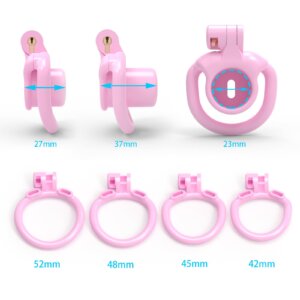
Rule 1: Do a fit check before October starts. Wear the device in short sessions first. Check for pinching, rubbing, swelling, numbness, coldness, or circulation issues. Do not discover the wrong size during a full-day commitment.
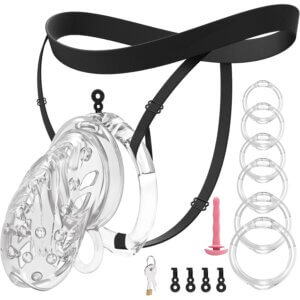
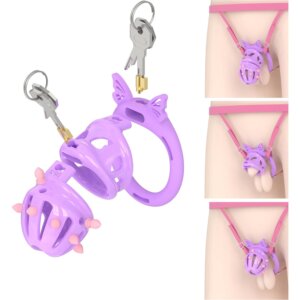
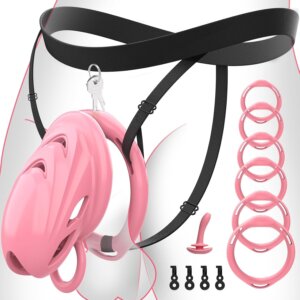
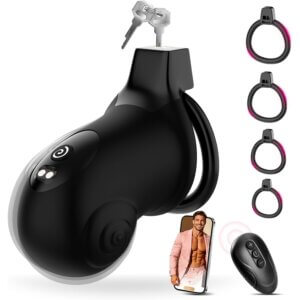
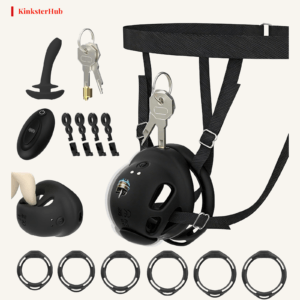
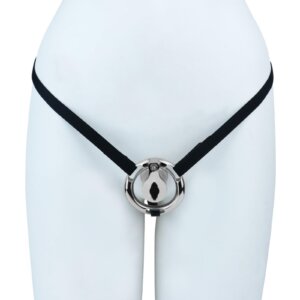
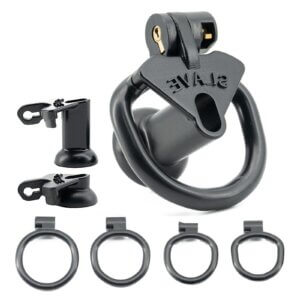
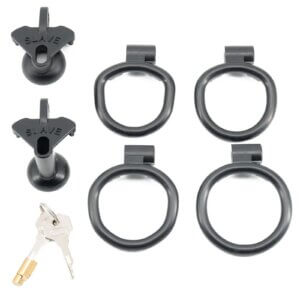
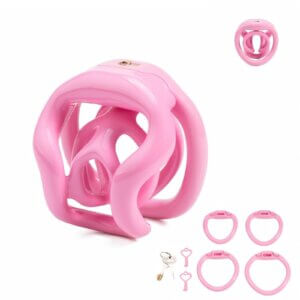
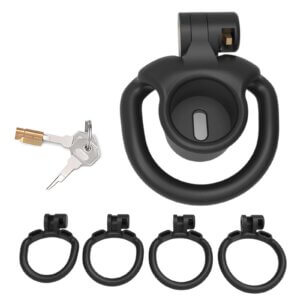
Rule 2: Choose body-safe materials and compare body-safe chastity cages only after your fit rules are clear. For beginners, medical-grade 316L stainless steel or clearly labeled biocompatible resin is safer than mystery alloy or cheap porous material. Nickel-heavy metals and poorly finished plastics can trigger irritation or contact dermatitis. Sexy is nice; skin inflammation is not a personality trait.
Rule 3: Schedule hygiene unlocks. Cleaning is not cheating. Sweat, skin oils, urine residue, trapped moisture, and friction can create irritation or infection risk. For more detail, use this chastity cage fit guide before choosing full-day wear.
Rule 4: Keep emergency access available. That may mean a sealed emergency key, a trusted partner, or another reliable removal method. If something feels medically wrong, you need a way out.
Rule 5: Stop for pain, numbness, coldness, discoloration, swelling, urinary problems, skin injury, or panic. If you wake up in pain during the night or early morning, do not romanticize it. Nighttime penile tumescence is normal physiology. Pain during those erections often means the base ring is too small, the cage is poorly fitted, or the device needs a break.
Simple Daily Check-In Rules
Rule 6: Use a morning comfort check. Ask: Is my body okay? Do I understand today’s rule? Do I still consent to this plan?
Rule 7: Use an evening reflection. Ask: What felt good? What felt difficult? What needs adjustment tomorrow?
Rule 8: Write one sentence per day. A beginner does not need a dramatic journal. One honest sentence is enough to make the challenge visible and reviewable.
Core takeaway: The first week is not where you prove toughness. It is where you test fit, hygiene, privacy, sleep, and consent. A seven-day challenge with clean stop rules beats a thirty-one-day fantasy with no exit.
Solo Locktober Rules: Days 8-14
Journal Rule, Timer Rule, and Weekly Review
Rule 9: Choose a solo duration you can review. Try three days, seven days, fourteen days, or a symbolic version before committing to a full month.
Rule 10: Use a written agreement with yourself. Include start time, end time, allowed unlocks, stop conditions, and the reason you are trying the challenge.
Rule 11: Use a timer only if it has a safe override. Timers, lockboxes, a secure emergency-key plan, and calendar prompts can add structure, but do not create a setup where pain or panic cannot be addressed.
Rule 12: Keep a private journal. Track comfort, mood, sleep, motivation, rule clarity, and hygiene. Do not use the journal to shame yourself. Use it to make better decisions.
Rule 13: Set one weekly review point. Solo play can drift into too little structure or too much intensity. A review point corrects both.
Self-Accountability Without Shame
Rule 14: If you break a rule, write what happened before deciding what to do next. Did you forget? Was the rule unrealistic? Did the structure fail? Did you actually want to stop?
Rule 15: Use reset language instead of failure language. A reset can mean returning to day one, reducing intensity, switching to symbolic participation, or taking a health break. It should not automatically mean punishment.
Core takeaway: Solo Locktober is valid, but you are both the fantasy engine and the safety system. That means your rules must protect you from impulsive escalation as much as they protect the challenge from fading away.
Couple Locktober Rules: Days 15-21
Morning Message and Evening Review
Rule 16: Send one morning message if both partners want daily contact. Keep it simple: comfort level, mood, and today’s intention.
Rule 17: Keep evening reviews short. Long negotiations every night can make the dynamic feel like admin work with a lock attached. Try three prompts: what worked, what felt off, what should change.
Rule 18: Create one shared ritual. It might be a phrase, a private check-in note, a written rule card, a weekly date, or a small reward. The ritual should reinforce connection, not surveillance.
Rule 19: Do not use silence as punishment. If a partner or keyholder is unavailable, say so. Unexplained absence can create anxiety in a dynamic that depends on trust.
Weekly Consent Check
Rule 20: Hold a weekly consent check. Ask whether the rules still feel wanted, safe, and emotionally good. This is not a mood-killer. It is the maintenance that lets the erotic parts keep working.
Rule 21: Avoid surprise escalation. Do not add stricter denial, humiliation, public exposure, financial control, or new tasks without agreement. Locktober is not consent to everything.
Rule 22: Keep the dynamic aligned with the relationship you actually want. Community discussions often show that many people want structure, warmth, and anticipation, not cheating themes, harsh humiliation, or performative toughness. Let that be normal.
Core takeaway: In couple play, the lock is not the relationship. Communication is. If the rules create pressure, secrecy, or resentment, rewrite the rules before the month starts writing them for you.
Keyholder Locktober Rules: Days 22-31
Task Assignment, Reward Rule, and No-Surprise Escalation Rule
Rule 23: A keyholder should assign fewer tasks than they think. One meaningful task is better than five forgettable ones.
Rule 24: Every task should have a purpose. Is it for accountability, teasing, communication, self-awareness, service, or connection? If no one can explain the purpose, the task is clutter.
Rule 25: Rewards should be clear. A reward can be praise, a check-in, a privilege, a planned release discussion, or a softer rule day. Rewards help the dynamic feel responsive rather than mechanical.
Rule 26: No surprise escalation. A keyholder should not suddenly add harsher rules, longer lock times, public elements, financial demands, or humiliation themes unless they were already negotiated.
Rule 27: The keyholder must respect stop language. Authority in chastity play is built on trust. Ignoring a safety concern weakens authority; it does not strengthen it.
Remote Keyholder Variation
Rule 28: For remote play, define what counts as showing up. Is it one message per day, a weekly call, a shared note, or a photo-free check-in? Make the expectation realistic.
Rule 29: Use written rules for remote dynamics. Distance makes assumptions louder. A short written agreement reduces confusion. For distance play, read more about remote chastity control before setting daily expectations.
Rule 30: Do not use constant availability as proof of devotion. People have work, sleep, stress, and changing schedules. Remote Locktober should create connection, not endless monitoring.
Rule 31: End the month with a review, not just a release. Ask what worked, what felt safe, what created anticipation, and what should change before any future challenge.
Core takeaway: A good keyholder does not win by being harsher. They win by making the structure feel deliberate, responsive, and safe enough that the locked partner can actually surrender into it.
Reset, Pause, and Stop Rules
Before the challenge begins, agree on what counts as a pause, reset, or end. The guide to what counts as failing Locktober helps separate a broken erotic rule from a necessary safety decision.
When to Pause the Challenge Immediately
Pause immediately for pain, numbness, swelling, discoloration, skin injury, urinary trouble, panic, coercion, unwanted pressure, or relationship conflict that cannot be calmly discussed. If a device is involved, remove it and assess. If a partner is involved, communicate clearly and without blame.
Pausing is not the opposite of discipline. It is part of good discipline. Someone who can pause safely is more likely to practice chastity long term than someone who ignores problems until they become harmful.
This also applies emotionally. If Locktober starts to feel like shame, resentment, secrecy, or fear, pause. The goal is not to win October. The goal is to create a consensual experience that people can look back on honestly.
How to Restart Without Escalating
If you restart, do not automatically make the rules harsher. Return to the last level that worked. If day ten failed, go back to the day one to seven structure. If device wear failed, switch to symbolic denial. If daily tasks became too much, use weekly prompts instead.
A reset should make the challenge clearer, not more punishing. Ask what caused the problem: vague rules, strict rules, boredom, privacy, device fit, emotional pressure, or someone else’s availability. Then change that specific issue.
If the month ends and you want to continue into No Nut November, pause for review first. Some people enjoy chaining seasonal challenges together, but it should be a choice, not momentum.
Core takeaway: The safest Locktober plans include permission to pause. That is not a loophole. That is the reason the rest of the rules can be trusted.
Pick the Locktober Rules You Can Actually Keep
A good Locktober rule is not the most extreme rule. It is the rule that creates anticipation without damaging health, trust, privacy, or consent. Beginners need safety rules. Solo players need review rules. Couples need communication rules. Keyholders need responsibility rules.
Use the thirty-one rules as a menu. Choose five core rules if this is your first time. Add more only after the basics feel stable. If a rule has no purpose, remove it. If a rule cannot be paused safely, rewrite it.
Copy-and-Fill Five-Rule Framework
Before October starts, fill this out:
My body rule is: ______.
My communication rule is: ______.
My accountability rule is: ______.
My anticipation rule is: ______.
My stop rule is: If I notice ______, I will pause immediately. This does not count as failure.
That five-rule system creates a floor, not a ceiling. Once the foundation feels steady, you can add optional prompts, tasks, games, or keyholder instructions. If the foundation does not feel steady, adding more rules will usually make the month less playable, not more exciting.