
The short answer
No Nut November is not a proven way to improve fertility. Ejaculatory abstinence can change semen-analysis measurements, but the direction is not uniformly “better.” Longer abstinence is often associated with higher semen volume and sperm concentration, while shorter abstinence may be associated with better progressive motility and lower sperm DNA fragmentation in some populations.
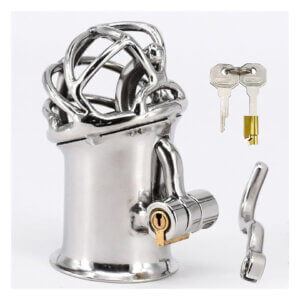
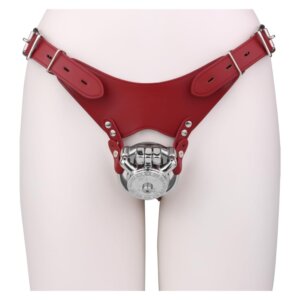
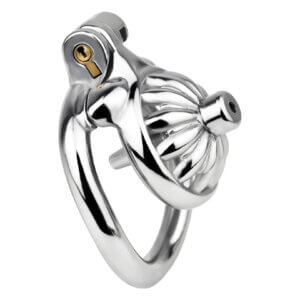
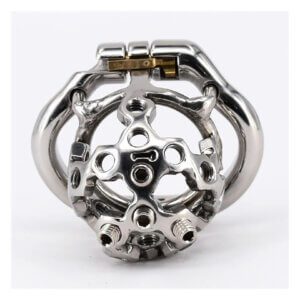
If chastity is part of your No Nut November plan, the length of a lockup is not a fertility score and should not replace the abstinence interval specified by a clinic or laboratory.
Why “more sperm” does not settle the question
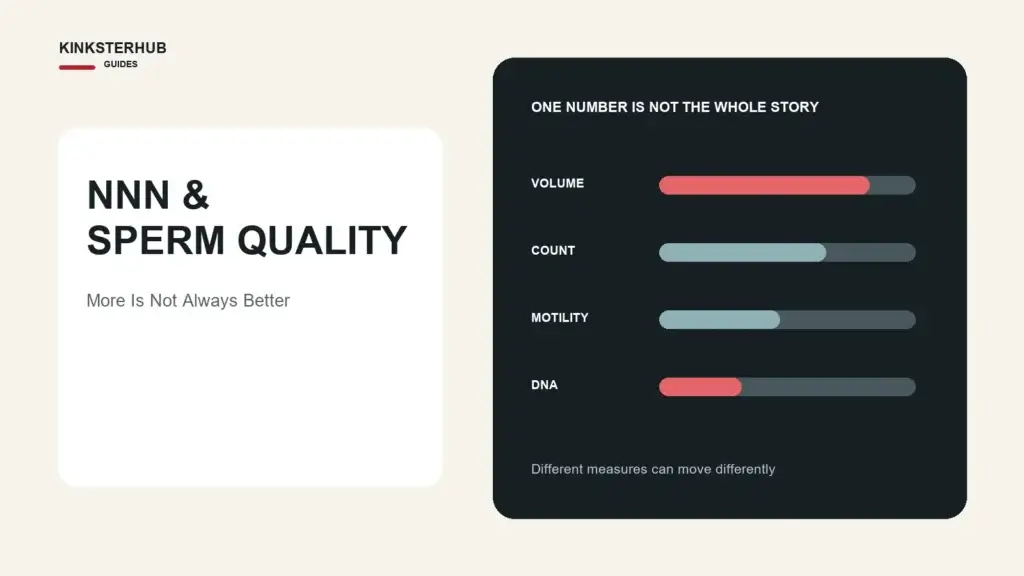
Semen quality includes several measurements: volume, concentration, total count, motility, morphology, viability, and DNA integrity. A longer interval may increase one measurement while another moves in an unfavorable direction. A systematic review of 28 publications described the evidence as complex and conflicting. A later meta-analysis of randomized studies similarly found higher concentration and volume with longer abstinence, but lower progressive motility and higher DNA fragmentation.
Semen parameters are not the same as fertility
A single sample cannot by itself predict whether a person or couple will conceive. Fertility depends on both partners, timing, age, health, reproductive anatomy, and many other factors. Studies involving fertility clinics also answer a narrower question than NNN: they often compare short abstinence intervals around semen collection or assisted reproduction, not a voluntary month-long internet challenge.
What this means for NNN
Do not join or extend NNN on the assumption that retained semen becomes progressively “stronger.” Do not stop the challenge because a viral post claims one month will permanently damage fertility, either. Anyone preparing for semen analysis or fertility treatment should follow the clinic’s collection instructions, because standardized timing matters more than an internet rule.
How to read the main semen measures
- Volume is the amount of semen in the sample.
- Concentration is the number of sperm per unit of semen, while total count also reflects volume.
- Motility describes movement; progressive motility concerns movement in a forward direction.
- Morphology describes shape under the laboratory criteria used.
- DNA fragmentation measures damage detected with a specific test and should be interpreted in clinical context.
A change in one measure does not produce a single score for “stronger sperm.” The 2018 systematic review found the evidence complex and conflicting. More recent meta-analyses found that longer abstinence tended to increase concentration and volume while shorter abstinence could favor progressive motility and lower DNA fragmentation. Study populations and cutoffs varied.
Why this is not an NNN fertility prescription
Most studies compared collection intervals in semen analysis or fertility-care settings. They did not randomize the general public to complete NNN and then measure natural conception. For the broader distinction between personal challenge outcomes and medical claims, see the NNN benefits evidence overview and the NNN myths fact-check.
If you are preparing for semen analysis, donation, or fertility treatment, follow the clinic’s timing instructions. If pain, swelling, or another physical concern appears during the challenge, use the NNN safety and stop guide rather than trying to infer fertility from symptoms.
Sources: 2018 systematic review; meta-analysis of randomized studies; dose-response meta-analysis.
Device wear does not create a fertility protocol
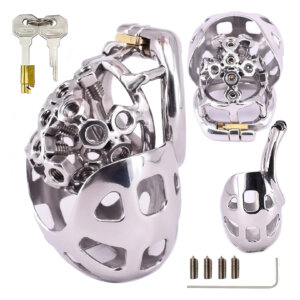
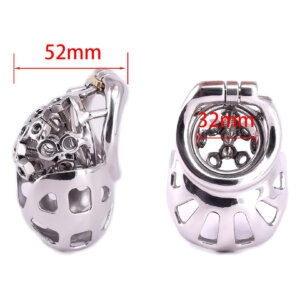
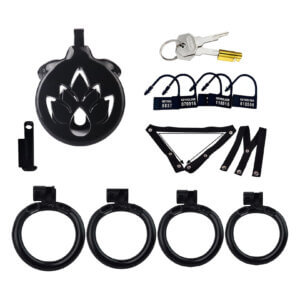
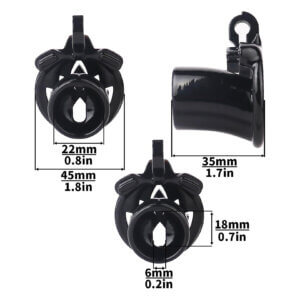
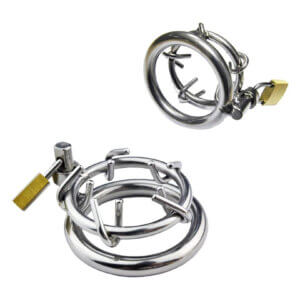
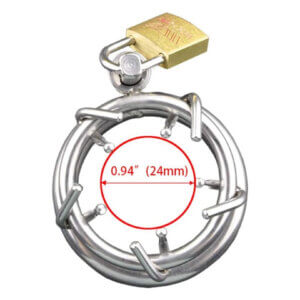
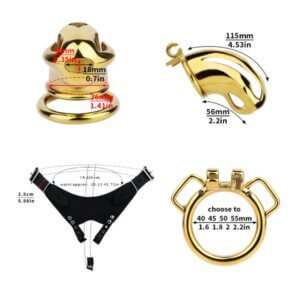
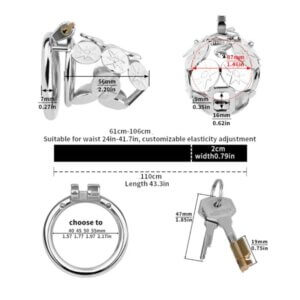
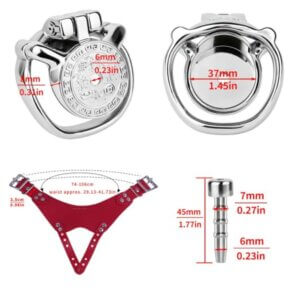
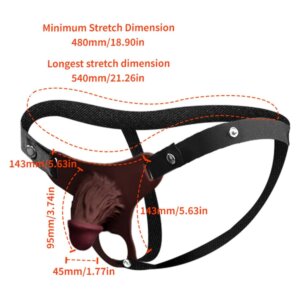
A chastity device may help enforce an agreed period without ejaculation, but it does not make that period medically optimal for every semen measure. Volume, concentration, motility, and DNA fragmentation may move in different directions, and device wear adds separate questions about fit, hygiene, skin condition, and comfort.
If you are preparing for semen analysis, donation, or fertility treatment, follow the provider’s instructions even when they conflict with your NNN rules. A medical collection schedule should take priority over a streak or partner-agreed lockup.