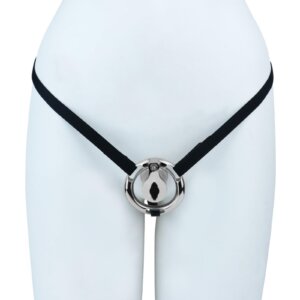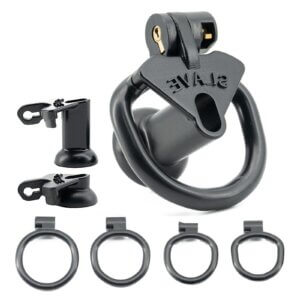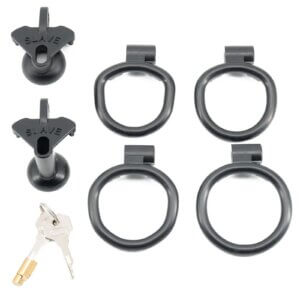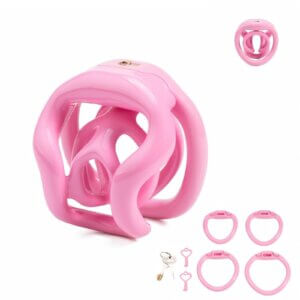


A chastity challenge calendar can help you see Locktober as one part of a larger rhythm instead of a one-month event that must keep escalating. After October, some people consider No Nut November, a lighter December theme, a couples-focused reset, or a complete break.
That choice can feel exciting, but it can also create unnecessary pressure. Community discussions often ask why Locktober is followed by No Nut November, what other “lockup months” exist, or how a short challenge turned into several months of continued participation. Those are real personal questions, not a required path for everyone.
This guide helps you plan seasonal challenges, rest periods, relationship-focused themes, and long-term routines with more clarity. The goal is not to fill every month. It is to make each choice intentional.
How to Use a Chastity Challenge Calendar
A Calendar Should Create Choices, Not Obligations
A monthly chastity challenge calendar should work like a planning tool, not a contract. It can help you choose when you want structure, when you want a lighter routine, and when a full pause makes more sense.
Names such as Locktober, No Nut November, and Denial December are community themes. They are not official programs, medical recommendations, or rules that must be followed in sequence.
A useful calendar leaves room for intentional rest, changing routines, and honest reflection. You may choose one major challenge each year, a few mini challenges, or no formal seasonal challenge at all.
Choose Themes Based on Your Real Life
Your challenge theme should fit your life before it fits a calendar label. Travel, work stress, privacy, exercise, relationship changes, and emotional energy all affect whether a particular month makes sense.
A quieter period may suit solo reflection. A romantic season may suit a couples ritual. A busy summer may be better for flexible mini challenges than a strict month-long plan.
Before choosing a theme, ask what you actually need: more structure, more connection, more self-awareness, or more rest. Your real circumstances are the best planning guide.
The Locktober to No Nut November Transition
Why These Two Challenges Are Often Connected
Locktober and No Nut November are often linked because October and November naturally create a seasonal sequence around restraint, anticipation, and self-control. However, the two are not identical.
Locktober usually has a chastity-focused context and may involve a device, agreed rules, or relationship dynamics. No Nut November is broader and has many different interpretations. Participating in one does not require participation in the other.
Community conversations show that this is a genuine planning question rather than a fixed rule. Some people ask why Locktober seems to lead directly into November, while others describe continuing longer than expected after an initial challenge. Those are individual experiences, not a standard route.
For Locktober definitions, safety, and participation formats, start with the Locktober challenge hub. This page focuses on what you may choose before or after October.
Continue, Pause, or Change the Format After October
After October, you have three equally valid options: continue, pause, or change the format.
You may continue if the routine still feels comfortable, voluntary, and workable. You may pause if you need physical recovery, more privacy, or time to reflect. Or you may change the structure by moving into lighter wear, a couples ritual, or a non-device-based form of restraint.
A pause is part of sustainable planning, not a failed streak. The best next step is the one that still fits your body, your relationship, and your actual life.
For a post-October reflection framework, see what to do after Locktober.
What Comes After No Nut November?
December as a Reflection, Reset, or Themed Month
December does not need to become an automatic escalation month. Some people use it for rest. Others create a lower-pressure theme around reflection, relationship connection, or occasional participation.
A themed month can be simple. You might set aside time to review what worked, discuss boundaries with a partner, or return to a lighter routine after a more structured season.
The point is not to keep adding restrictions because another month has a catchy name. A reset can be more useful than another challenge.
Avoid the Pressure to Keep Escalating
It is easy to compare your experience to people who describe several consecutive months of participation. But longer does not automatically mean better.
Before extending a challenge, ask whether you still want it or simply feel attached to the idea of maintaining momentum. Consider comfort, hygiene, stress levels, relationship communication, and whether the plan remains enjoyable.
A longer routine should feel chosen, not compulsory. For more seasonal options, use No Nut November next steps rather than assuming there is one correct continuation.
A Year-Round Chastity Challenge Calendar by Season
Winter: Reset, Reflection, and Relationship Goals
Winter can be a valuable time for reflection and recalibration. After autumn challenges, you may want to reassess comfort, replace an unsuitable device, clarify boundaries, or simply take time away from structured rules.
A winter reset can focus on communication, personal goals, or a slower routine. You do not need to begin the year with intensity for the reset to be meaningful.
For a gentle planning approach, explore the New Year chastity reset.
Spring: Connection and Couples Challenges
Spring can work well for connection-focused themes. Couples may use this period to create shared rituals, discuss preferences, or build more intentional anticipation into their relationship.
A couples challenge should center on mutual interest and communication. It does not need to involve strict rules, continuous wear, or one person giving up control without discussion.
Set aside time to talk about boundaries, privacy, comfort, and how either person can pause. A shared plan works best when it leaves room for both people to be heard.
Summer: Flexible Mini Challenges and Lifestyle-Friendly Formats
Summer routines are often less predictable. Travel, heat, outdoor activities, and social plans can make a strict month-long challenge less practical.
This makes summer a good season for short formats. You may choose a weekend challenge, several evenings, a one-week solo experiment, or a light accountability routine.
Flexible participation protects enjoyment when daily life is busy. You can stay connected to the theme without forcing your schedule to fit a calendar label.
Autumn: Locktober as a Seasonal Anchor
For many participants, autumn provides one clear annual anchor rather than the start of a compulsory multi-month streak. Locktober can be your structured season, while November, December, or a later reset remain optional choices.
Use the Locktober Hub for beginner paths, safety, and participation formats. Use this calendar page to decide whether your next step should be a pause, a lighter theme, a couples challenge, or a longer-term routine.
Monthly Challenge Ideas by Goal
For Solo Reflection and Routine Building
Solo challenges work best when they have a clear purpose. Your focus may be routine building, self-awareness, anticipation, or learning what level of structure feels right.
You might choose a short wear trial, a weekly reflection practice, or a small set of personal boundaries that you revisit at the end of the month. Repeatable routines are often more useful than intense rules that you do not want to maintain.
A solo calendar should give you information, not create pressure to perform.
For Couples and Connection
A couples challenge should support connection rather than turn into a silent test of endurance. Agree on boundaries, hygiene, privacy, check-ins, and how either person can request a pause.
Ongoing communication matters more than keeping a streak, especially when one partner holds keys or helps set rules. Guidance on talking about sexual consent also reinforces that clear conversations help prevent pressure and support healthier boundaries.
For a more detailed shared format, use Locktober with a partner.
For Long-Term Routine Exploration
Some people eventually want to explore year-round chastity or a longer routine. That should be approached as a lifestyle choice, not simply as twelve back-to-back monthly challenges.
A sustainable long-term structure often includes maintenance periods, planned breaks, comfort reviews, relationship check-ins, and aftercare. The goal is to keep the routine voluntary and workable over time.
For deeper planning, see the long-term chastity routine guide.
How to Decide Whether to Continue or Pause
Use Physical Comfort and Daily Life as Decision Factors
Your body and your everyday schedule should have more influence than any seasonal theme. Before continuing, consider sleep, hygiene, exercise, work, travel, privacy, and device comfort.
Persistent pain, numbness, swelling, irritation, hygiene problems, or difficulty with normal daily activities are all valid reasons to pause or change the plan. Comfort is a decision factor, not an afterthought.
A calendar only works when it supports your life. It should never encourage you to ignore physical warning signs to preserve a streak.
Use Emotional and Relationship Check-Ins as Decision Factors
Physical comfort is only one part of the decision. You should also ask whether the experience still feels positive, freely chosen, and aligned with your relationship boundaries.
Consider whether you can speak openly about discomfort, whether a partner feels equally heard, and whether the challenge has created connection or tension. Ongoing consent means the plan can change when your needs change.
When the answer shifts, the calendar can shift too.
Build Your Own Annual Challenge Calendar
Choose One Anchor Challenge and Two Optional Mini Challenges
You do not need twelve themed months to build a meaningful annual plan. A simple structure can include one anchor challenge, two optional mini challenges, rest periods, and scheduled reflection.
For example, Locktober may be your main seasonal event. You might add a spring couples theme and a short summer solo challenge, while leaving the rest of the year open.
This approach gives you structure without overcommitment. It also makes it easier to learn what formats you genuinely want to repeat.
Schedule Reflection and Aftercare as Part of the Plan
An annual challenge calendar should include more than start and end dates. Make space for reflection after each challenge.
Ask what you enjoyed, what felt difficult, whether the plan supported communication, and what you would change next time. You may want to continue, pause, or try a different format.
Aftercare turns each challenge into useful feedback. It helps you build a calendar based on experience rather than habit.
Conclusion: A Long-Term Calendar Should Stay Flexible
A chastity challenge calendar should create more choice and clarity, not more pressure to extend every month.
Locktober, No Nut November, winter resets, couples themes, mini challenges, and long-term routines can all have a place in your year. None of them need to become compulsory.
Choose one meaningful anchor, add optional challenges only when they fit, and schedule rest with the same care you give participation. The strongest calendar is the one that still feels like your choice.
FAQs
Do you have to do No Nut November after Locktober?
No. Locktober and No Nut November are separate community themes, even though people often mention them together. You can continue, pause, or choose a lighter format based on comfort and personal goals.
What comes after No Nut November?
Some people use December for reflection, couples connection, a lighter challenge, or a full break. There is no required sequence after November, and a pause may be more useful than another structured month.
Can a chastity challenge calendar include rest months?
Yes. Rest months should be part of a sustainable calendar because they give you time to review comfort, communication, and whether the next challenge still feels voluntary.
Are monthly chastity challenges suitable for couples?
They can be, provided both people actively agree on boundaries, rules, and pause options. A couples challenge should prioritize connection and communication rather than pressure or endurance.
Transparency Disclosure
Monthly challenge names such as Locktober, No Nut November, and Denial December are community-created themes, not medical advice, formal programs, or required participation paths. This article discusses adult, voluntary personal choices and relationship dynamics. Community examples reflect individual experiences rather than universal outcomes.