
Locktober discussions can feel like a wall of unfamiliar words: cage, keyholder, self-lock, denial, 24/7, emergency key, and more. This plain-English glossary explains the terms beginners are most likely to encounter.
New readers can pair these terms with a plain-language BDSM terminology guide.
Usage varies across communities. These definitions describe common meanings, not rules everyone must follow. All activities discussed here are for consenting adults.
Locktober basics
Locktober: An October-themed adult chastity challenge or community tradition. Some participants use a device; others create device-free denial rules. Start with the complete beginner definition of Locktober if you need more context than a glossary entry.
Chastity: In this context, consensual restriction of genital access, sexual activity, or orgasm. It may be physical, rule-based, temporary, solo, or partnered.
Orgasm denial: Deliberately delaying or not allowing orgasm for an agreed period. A device is optional.
Locked: Wearing a secured chastity device, or sometimes following a negotiated chastity rule. Ask which meaning a person intends.
Release: Unlocking a device, ending a denial period, or receiving permission for an activity. It does not always mean orgasm.
Device terms
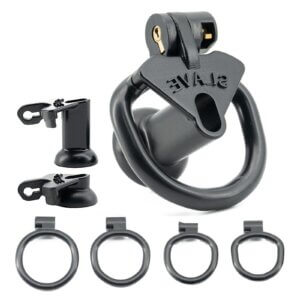
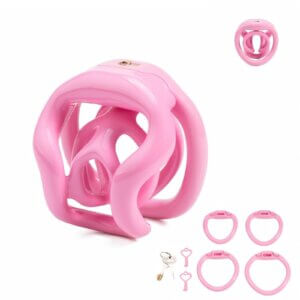
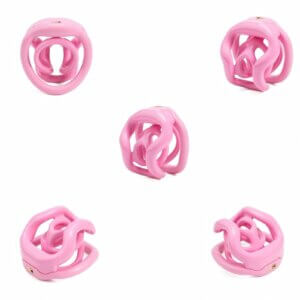
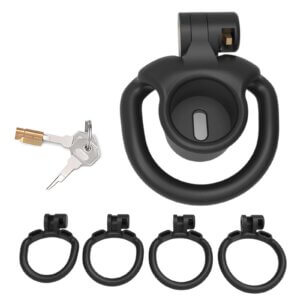
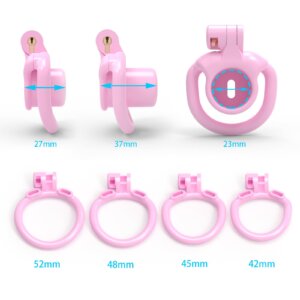
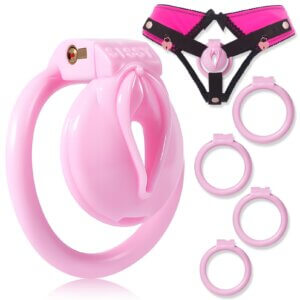
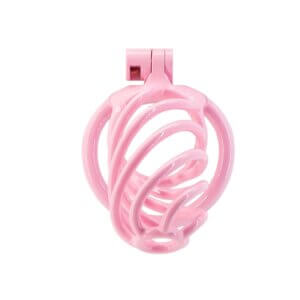
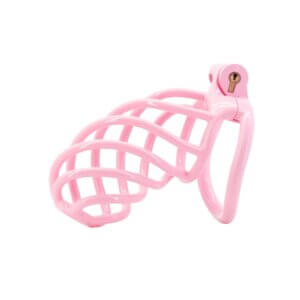
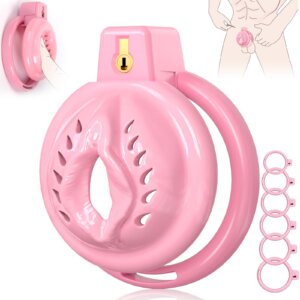
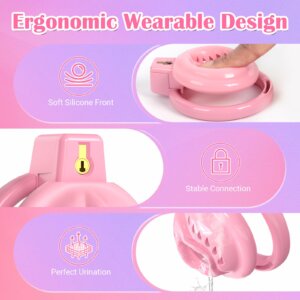
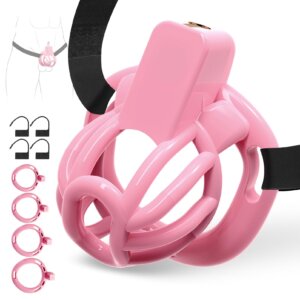
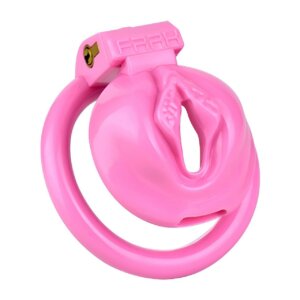
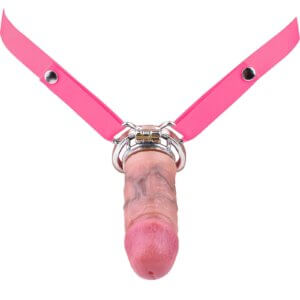
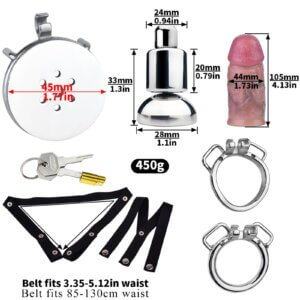
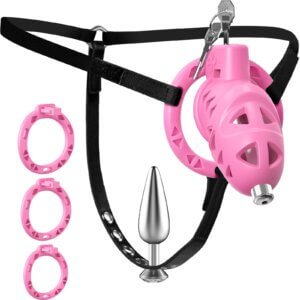
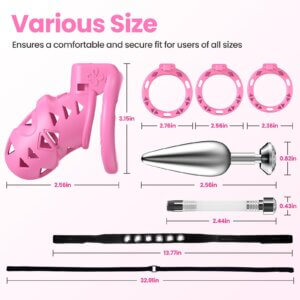
Chastity cage: A device worn around the penis and secured to limit erection, access, or stimulation. Designs, materials, and sizing systems vary.
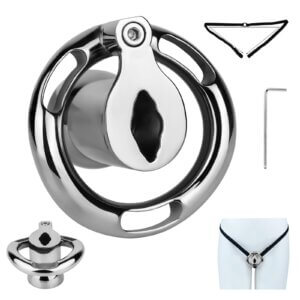
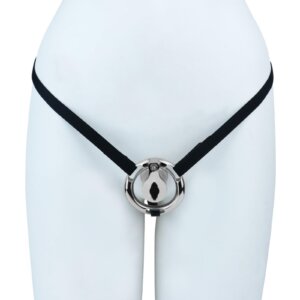
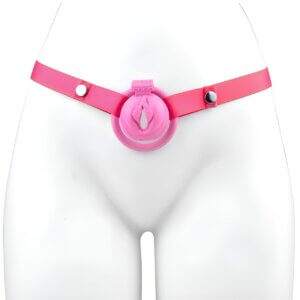
Chastity belt: A broader device or garment designed to restrict genital access. The term may refer to products for different bodies.
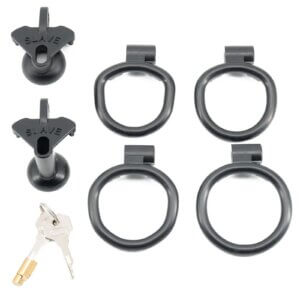
Base ring: The ring portion of many penis-cage systems, generally positioned around the base of the penis and behind the scrotum. Correct fit is essential.
Cage length: The usable internal length of the cage. It is not selected by comparing erect size alone.
Gap: The space between the base ring and cage. It can affect security and comfort.
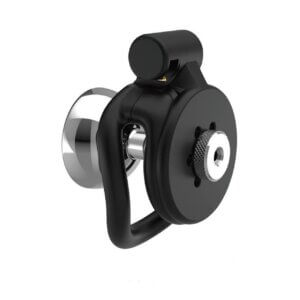
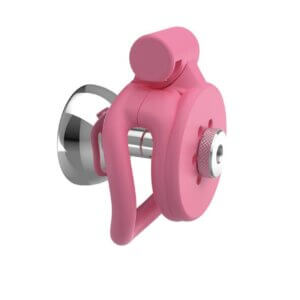
Integrated lock: A compact lock built into the device rather than hanging externally like a padlock.
Security seal: A numbered, tamper-evident plastic lock sometimes used for accountability. It must still be removable in an emergency.
Emergency key: A key or removal method the wearer can access promptly when safety, health, or consent requires removal.
People and relationship roles
Wearer: The person wearing the device or following the chastity restriction. This gender-neutral term is useful when anatomy or identity is irrelevant.
Keyholder: A trusted person who controls or symbolically holds the key under negotiated rules. A keyholder does not own permanent authority over the wearer’s body.
Dominant (Dom/Domme): A person taking an agreed controlling role in a D/s dynamic. Gender is not implied by “Dom.”
Submissive (sub): A person consensually giving another person defined authority within a scene or relationship.
Switch: Someone who may enjoy dominant and submissive roles at different times.
Self-locker: Someone who practices chastity without another person acting as keyholder.
Rules and play terms
24/7: Intended continuous wear, usually with necessary exceptions for cleaning, health, or safety. It should never mean ignoring symptoms.
Honor system: Following rules without a device or external verification.
Tease and denial: Arousal or stimulation combined with intentionally delayed or withheld orgasm.
Edging: Approaching orgasm and then reducing or stopping stimulation. It can be part of denial play but is not required.
Ruined orgasm: A term used for an orgasm with stimulation reduced or stopped around the point of inevitability. Experiences and definitions vary.
Check-in: A planned conversation about physical comfort, emotions, consent, logistics, and whether rules should change.
Keyholding agreement: A written or spoken plan covering authority, access, permitted activities, exceptions, check-ins, and ending the dynamic.
Consent and safety terms
Ongoing consent: Consent that can be checked, changed, or withdrawn at any time—not a one-time signature.
Safeword: A pre-agreed word or signal that communicates a need to slow, pause, or stop. It does not replace ordinary communication.
Hard limit: An activity or condition that is not permitted.
Soft limit: An activity approached cautiously or only under specified conditions.
Aftercare: Physical or emotional support after a scene or intense experience. Needs vary by person.
Body check: Inspecting skin, circulation, comfort, urination, and device condition. Concerning symptoms require removal and appropriate care.
Emergency unlock: Immediate removal because of safety, health, equipment failure, or withdrawn consent. It should never be treated as misconduct.
For detailed fit and warning signs, use the chastity cage safety guide.
Terms commonly confused with Locktober
No Nut November (NNN): A November internet challenge generally focused on avoiding ejaculation or orgasm. It is not identical to Locktober.
“Lock in” October: A newer self-improvement use meaning to focus intensely on goals. It is unrelated to chastity unless the speaker says otherwise.
Abstinence: Choosing not to engage in some or all sexual activity. It may be religious, personal, health-related, or unrelated to kink.
The most important glossary rule
When a term affects someone’s body or consent, do not rely on a glossary alone. Ask: “What does that word mean in our agreement?” Two people can use the same label while imagining different schedules, permissions, and responsibilities.
For broader vocabulary, see kink terms explained.
How to use this glossary in real conversations
A beginner kink vocabulary guide is a starting point, not a contract. Different communities and partners may use the same term differently, so ask what a word means in the specific relationship or discussion. “Keyholder,” for example, may describe someone who physically stores a key, someone who helps enforce agreed rules, or a broader power-exchange role. The label alone does not create authority.
Terms also describe activities, not identities that must be permanent. Someone can try denial without identifying as submissive, wear a device without having a keyholder, or enjoy keyholding without choosing a dominant title. Clear, plain language is more useful than performing expertise.
Three definitions worth putting in every plan
- Consent: an informed, voluntary, specific, and ongoing agreement that can be withdrawn.
- Safeword or stop signal: a word or signal that pauses or ends the activity as agreed.
- Emergency key: promptly accessible removal access for urgent or unexpected situations; it is not a test of obedience.
For broader vocabulary, see the beginner BDSM glossary. Readers planning partnered control can continue with the keyholder communication guide, while practical setup questions and equipment-specific decisions belong in the complete chastity cage guide.
Common vocabulary mistakes to avoid
Do not use “consensual” as a one-time stamp that covers everything afterward. Do not treat “failure” as a safety category. Do not assume “locked” always means continuous wear, or that “denial” necessarily involves a device. Avoid gendering the wearer, keyholder, dominant, or submissive unless the people involved choose those terms themselves.
A useful October plan is specific without becoming rigid. Write down the intended duration, any device schedule, who can change the rules, how often check-ins happen, and what ends the activity immediately. Consent is ongoing, so a previous yes never removes anyone’s right to pause, renegotiate, or stop. If a device is involved, fit, cleaning, ordinary bathroom use, and prompt emergency removal should be tested before a longer commitment. Pain, numbness, swelling, discoloration, broken skin, or difficulty urinating are stop signs, not achievements. Remove the device and seek appropriate medical care if symptoms are severe or persist.
A good definition helps people ask a better next question: What exactly are we agreeing to, for how long, and how can either person change it?
The takeaway
Locktober vocabulary is useful only when it improves communication. Define roles, rules, exceptions, and safety terms before the challenge starts. Clear language should reduce pressure—not make a flexible experience sound like a universal law.