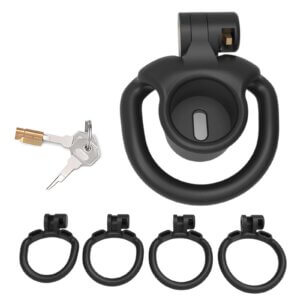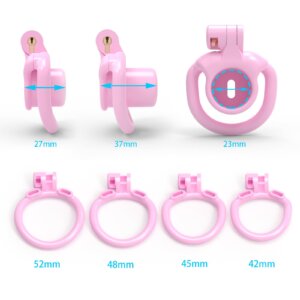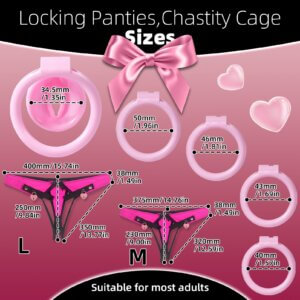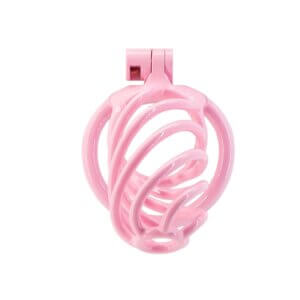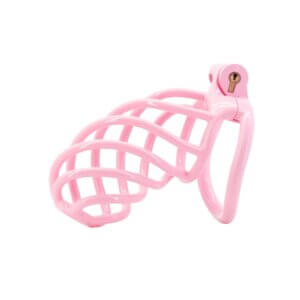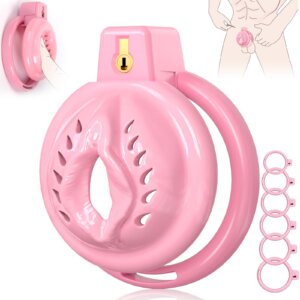


If someone says they are doing “Locktober,” they may mean one of two very different things. In kink communities, Locktober is an adult chastity-themed October challenge. In newer TikTok and fitness slang, “Lock In October” means focusing intensely on goals such as training, studying, or building better habits.
Neither meaning is difficult to understand once you know the context. The confusion comes from two online communities using the same catchy word for different ideas—and then meeting under the same hashtag.
The short answer: two communities are using the same word
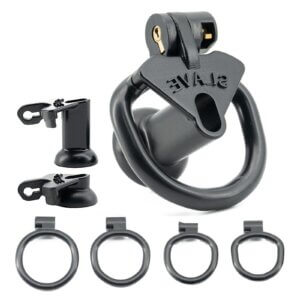
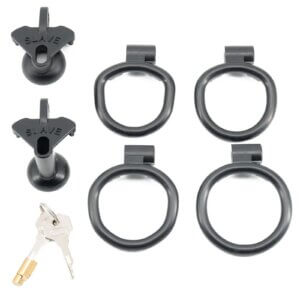
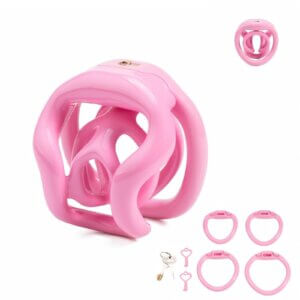
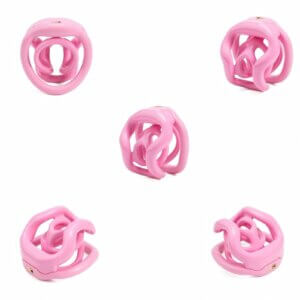
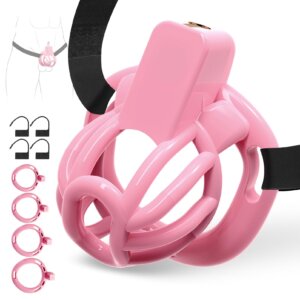
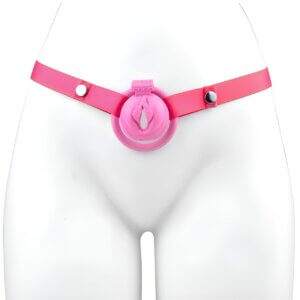
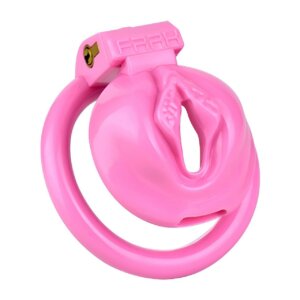
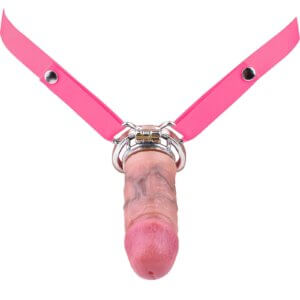
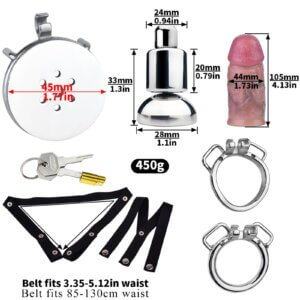
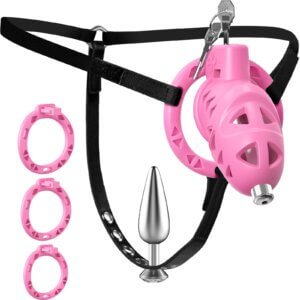
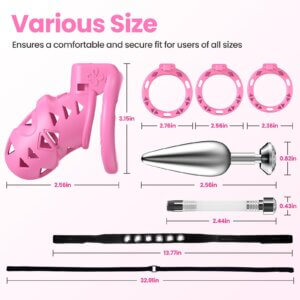
The older, kink-related meaning combines “lock” with “October.” Participants may wear a chastity device, practice orgasm denial, or follow negotiated rules with a partner or keyholder. There is no official rulebook. The common thread is consensual adult play built around restraint, anticipation, discipline, or power exchange.
The newer self-improvement meaning comes from “lock in,” slang for becoming highly focused. Under this definition, Locktober is simply a month to commit to fitness, work, school, or another personal goal.
What Locktober originally means in kink culture
The kink meaning circulated online years before the TikTok fitness version. Know Your Meme’s history documents a 2017 Tumblr reference and later dictionary and media coverage. Earlier forum claims exist, but no universally verified inventor has been established.
In this context, Locktober may include:
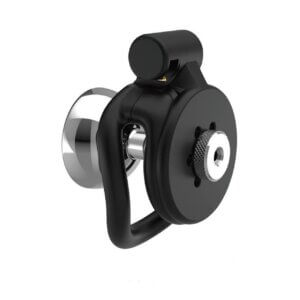
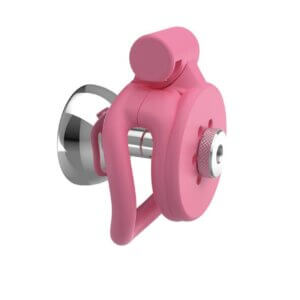
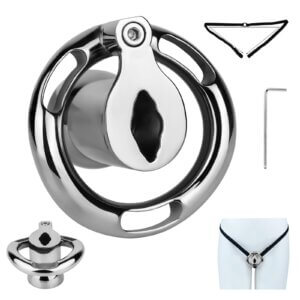
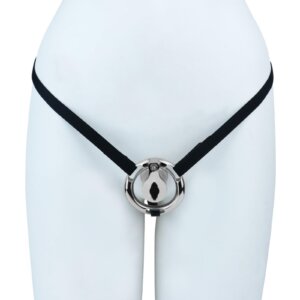
- Wearing a chastity cage or belt for an agreed schedule
- Practicing device-free orgasm denial
- Giving a trusted partner control as a keyholder
- Using check-ins, rituals, rewards, or adjustable goals
Consent remains ongoing. Cleaning, emergency access, comfort, and the freedom to pause are more important than completing a meme challenge. For a broader beginner explanation, see what is Locktober.
What “lock in for October” means on TikTok
In self-improvement content, “locking in” means removing distractions and becoming serious about a goal. Creators turned that phrase into an October challenge: train consistently, follow a routine, stop procrastinating, or finish a project.
The phrase makes intuitive sense if that is the only community context you know. It also explains why some creators used the term sincerely without recognizing its existing adult meaning.
How the meanings collided
The collision became highly visible in 2024. Reddit threads such as this discussion in r/AreTheStraightsOK show users repeatedly asking what fitness creators thought “Locktober” meant. Similar reactions appeared in r/196 and r/gay_irl.
The humor was not just that the meanings differed. It was that each community assumed its definition was obvious.
Locktober vs. Lock-In October
|
Question |
Kink-community Locktober |
Self-improvement Lock-In October |
|---|---|---|
|
Main idea |
Consensual chastity or denial |
Focus and personal goals |
|
Typical audience |
Adults interested in kink |
General fitness/productivity audiences |
|
Common activities |
Devices, negotiated rules, keyholding |
Training, studying, habit tracking |
|
Core principle |
Consent and agreed boundaries |
Commitment and consistency |
|
Main risk |
Ignoring safety or consent |
Burnout and unrealistic goals |
How to use the term without embarrassing yourself
Before using “Locktober” in a campaign or public challenge, search the term and understand the audience attached to it. If you mean self-improvement, “Lock-In October,” “October Reset,” or “October Focus Challenge” communicates the idea more clearly.
If you mean the adult tradition, say so plainly and keep the discussion consent-forward. Do not assume that everyone seeing the hashtag knows the context.
Why context matters more than winning the definition
A public Locktober context guide shows why, when a word travels between communities, the practical question is not which group owns every future use. It is what a reader is likely to understand in a particular setting. An adult store, kink educator, or keyholding community can reasonably use Locktober with its established chastity meaning. A school, gym, or workplace campaign should expect that the same term may surface adult search results and jokes. Adding the words “Lock-In October” is a small editorial choice that prevents a large context problem.
For writers, captions should define the intended meaning in the first sentence instead of relying on a hashtag. For readers, the surrounding vocabulary is the fastest clue: cages, keys, denial, and negotiated control point to the kink tradition; workouts, study sessions, productivity, and habit tracking point to self-improvement.
A quick decision guide for creators and participants
- Publishing for a general audience: use “October Focus Challenge” or spell out “Lock-In October.”
- Publishing adult educational content: define Locktober immediately and keep consent, privacy, and safety visible.
- Joining a challenge: ask what activities, boundaries, and success criteria the organizer actually means.
- Seeing an unfamiliar post: check the context before correcting or mocking the author.
The kink version is also broader than continuous device wear. A participant might choose a short schedule, a device-free denial agreement, or a symbolic ritual. Readers who want equipment can compare discreet chastity device collections after defining their boundaries. Our low-stress chastity challenges for beginners offers gentler formats, while the keyholder communication guide explains how partnered rules can stay clear and reversible.
How to discuss the adult meaning responsibly
A useful October plan is specific without becoming rigid. Write down the intended duration, any device schedule, who can change the rules, how often check-ins happen, and what ends the activity immediately. Consent is ongoing, so a previous yes never removes anyone’s right to pause, renegotiate, or stop. If a device is involved, fit, cleaning, ordinary bathroom use, and prompt emergency removal should be tested before a longer commitment. Pain, numbness, swelling, discoloration, broken skin, or difficulty urinating are stop signs, not achievements. Remove the device and seek appropriate medical care if symptoms are severe or persist.
A pause does not need to become a debate about willpower. Use a simple sequence: stop the activity, address the immediate need, share only the information required for safety, and decide later whether to resume. Couples can agree in advance that a safety pause carries no punishment and does not require intimate proof. Solo participants can use the same rule by writing it into the plan before motivation and frustration begin competing with judgment. This keeps the challenge inside the boundaries of adult play instead of letting the calendar dictate the outcome.
The takeaway
TikTok’s self-improvement community popularized a second meaning for an existing term. Context tells you which version someone intends. A quick search before posting can save confusion—and help you speak respectfully to both communities.
FAQ
Is either meaning wrong?
Language changes, so the newer meaning is not automatically invalid. But calling it the original meaning ignores years of established kink-community usage.
Is Locktober the same as No Nut November?
No. They overlap around restraint, but Locktober more often involves chastity devices, negotiated power exchange, or kink culture. See the chastity challenge calendar for the broader relationship among seasonal challenges.
What should a brand call a fitness challenge?
Use a name that does not require an awkward explanation. “Lock-In October” is clearer than “Locktober,” especially in public-facing marketing.