

A long-distance chastity relationship lives in the spaces between messages.
It lives in the pause before a reply arrives. In a planned call that has been on the calendar all week. In the quiet moment when one partner remembers a rule, a promise, or a ritual that belongs only to the two of them.
Distance can make chastity feel less immediate, but it can also make anticipation more deliberate. When partners are apart, every check-in carries more weight. A simple message can become a reminder that the dynamic is still active. A voice note can feel more intimate than a long conversation. A shared ritual can make two separate rooms feel briefly connected.
Remote play works best when it is not treated as a substitute for being together. It works when it becomes its own kind of connection: slower, more intentional, and built around trust.
To understand where these routines fit within a larger journey, explore the wider stages of chastity play before deciding how much structure feels right for both partners.
Distance Changes What Control Feels Like
In person, control can be visible. It can be reinforced through shared routines, eye contact, touch, and the natural rhythm of being near each other.
At a distance, control becomes quieter.
It is no longer about who is physically present. It becomes about whether both partners still feel the pull of the dynamic when no one is watching. The locked partner carries the routine into ordinary life. The keyholder carries the responsibility of staying emotionally present without demanding constant proof.
That shift can feel intense. It can also feel vulnerable.
A remote relationship needs more than rules. It needs shared intention. Both people need to understand why the dynamic matters, what it gives them, and what kind of connection they want it to create.
Build Rules That Create Anticipation, Not Pressure
A rule should make the day feel more connected, not more tense.
When distance is involved, it is tempting to create a complicated system: frequent updates, strict timing, constant reporting, or detailed expectations for every interaction. But too much structure can drain the emotional charge out of the routine.
Start with a few simple agreements.
Maybe there is one message each evening. Maybe there is a weekly call that belongs only to the dynamic. Maybe there is a shared phrase that signals the beginning of a ritual. Maybe there is one expectation that stays present through the week.
The important part is not how strict the rule sounds. The important part is whether it creates anticipation without anxiety.
A good remote rule leaves room for real life. Workdays run long. Flights get delayed. People get tired. The dynamic should be able to bend without breaking.
Create a Communication Rhythm That Feels Like a Ritual
A strong communication rhythm in remote chastity can turn distance into part of the experience.
The rhythm does not need to be constant. In fact, constant messaging often makes connection feel less meaningful. What matters is that both people know when they will return to each other.
A short check-in can carry a surprising amount of weight:
“Still thinking about you.”
“Tell me one thing that tested your patience today.”
“What do you need from me tonight?”
“Save that thought for our call.”
The best messages leave something open. They create a thread that continues through the day.
Then there are the longer conversations. These are where the dynamic becomes more than a routine. Partners can talk about emotions, uncertainty, expectations, and what they want to build next.
A remote rhythm feels strongest when it has both small signals and deeper moments.
Building Trust in Long-Distance Chastity
Building trust in long distance chastity means learning that honesty can be safe.
That may sound simple, but distance can make uncertainty louder. A delayed reply may feel more personal than it really is. A missed check-in can create doubts that would not exist if partners were in the same room.
That is why the relationship needs a reset process.
When something goes wrong, the first question should not be, “How do we enforce the rule?” It should be, “What happened, and what do we need now?”
The locked partner should be able to say when they feel disconnected. The keyholder should be able to admit when they are distracted, busy, or emotionally unavailable.
These moments do not weaken the dynamic. They protect it.
Trust becomes stronger when neither partner has to hide difficult feelings just to preserve the appearance of control.
Keep the Emotional Thread Alive
Maintaining emotional connection remotely often comes down to creating a thread that runs through the week.
It might be a shared countdown. A private note. A voice message saved for later. A recurring question. A short ritual before sleep. A promise that the next call will begin in a certain way.
The details do not need to be dramatic. What matters is that they feel personal.
A relationship can feel distant when every conversation is practical. It feels close when there are small moments that belong only to the two people inside it.
For couples who want new ways to create those moments, adaptable chastity tasks for each stage can provide flexible ideas that can be softened, expanded, or reshaped for long-distance play.
Choose Tools That Make Distance Easier
Remote tools should make connection easier, not colder.
A shared calendar can make an upcoming call feel anticipated. A timer can give structure to a routine. A private message thread can become a space that feels separate from ordinary life.
But tools are only useful when they serve the relationship.
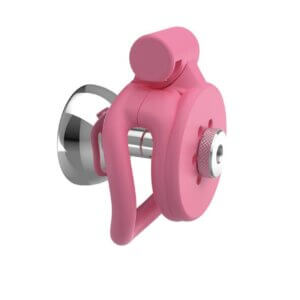
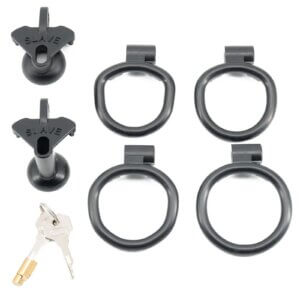
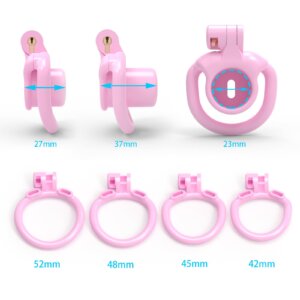
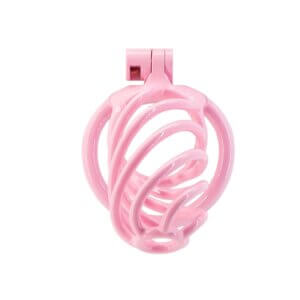
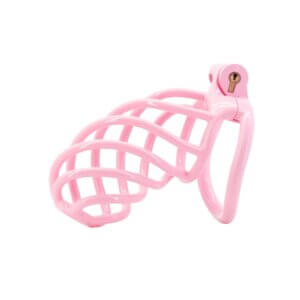
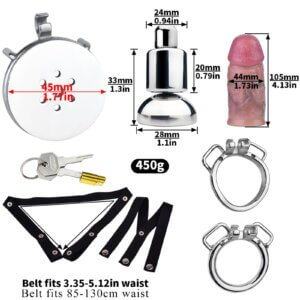
Physical comfort matters as well. When partners are apart, the locked partner needs to be able to manage daily life safely and comfortably without immediate help. Starting with a cage that suits daily wear can help keep the routine grounded in practicality.
For those who prefer a more structured long-term setup, options designed for a long-term routine may offer a useful starting point. Comfort, fit, hygiene, and safety should always matter more than intensity.
The best tools are the ones that leave more room for trust, not less.
Do Not Let Remote Play Become Surveillance
There is a fine line between accountability and surveillance.
Accountability feels shared. It sounds like, “What would help you stay connected this week?” It respects work, sleep, privacy, and emotional limits.
Surveillance feels heavy. It asks for constant proof. It turns delayed replies into accusations. It makes one partner feel that they can never fully step away.
A healthy remote chastity play dynamic should create closeness, not fear.
When the tone becomes too demanding, anticipation fades. The relationship starts to feel like an obligation instead of a shared experience.
Trust keeps the emotional charge alive. Pressure usually drains it away.
Let the Routine Change With Real Life
Distance is rarely static. Time zones shift. Travel happens. Work becomes intense. Emotional needs change.
Instead of treating those changes as interruptions, make them part of the plan.
You can have a normal rhythm for ordinary weeks, a lighter rhythm for busy periods, and a pause rhythm for times when one or both partners need more space.
A pause does not erase the dynamic. It can protect it.
The important thing is to name the change. Silence creates uncertainty. A simple message such as “This week needs to be lighter, but I still want us to stay connected” can prevent distance from feeling like withdrawal.
Review the Dynamic Before It Feels Stale
A monthly conversation can keep a long-distance chastity relationship from becoming repetitive or emotionally distant.
Ask each other:
- What felt most exciting this month?
- What felt too heavy?
- Did the rhythm still feel natural?
- Was there a moment when you felt especially connected?
- What would you like more of next month?
These conversations keep the dynamic alive because they remind both partners that it is still being chosen.
The most lasting remote routines are not the ones with the most rules. They are the ones that continue to feel personal.
Conclusion
Distance can make anticipation slower, quieter, and more deliberate. It can turn a message into a ritual, a scheduled call into something to look forward to, and a simple shared rule into a reminder that the connection is still there.
A long-distance chastity relationship works best when both partners feel trusted, emotionally included, and free to communicate honestly.
Start with one ritual that feels personal. Keep one rule simple. Make room for difficult weeks. Then let the dynamic grow at a pace that still feels meaningful to both of you.
What would make your distance feel more connected this week: a message, a ritual, a call, or a clearer promise?
FAQs
Can distance make chastity play feel more intense?
Yes. Distance can make anticipation feel more deliberate because messages, rituals, and planned calls often carry more emotional weight. The key is keeping that intensity connected to trust rather than pressure.
How do long-distance partners stay emotionally connected?
Small recurring rituals can help: voice notes, regular check-ins, shared countdowns, or weekly conversations. The most effective habits are the ones that feel personal and easy to maintain.
What should happen when a partner misses a check-in?
Begin with communication rather than accusation. Discuss what happened, decide whether the routine needs adjustment, and return to the dynamic without making one difficult moment define the relationship.
Can remote chastity become too controlling?
Yes, especially when accountability turns into constant proof requests or pressure to reply immediately. Healthy remote play should respect privacy, schedules, and emotional boundaries.
Do long-distance partners need special tools?
No. Tools can help with structure, but they are optional. Consent, honesty, and meaningful communication are more important than any app, timer, or device.