
Why anxiety can happen during NNN
The challenge may increase attention to urges, uncertainty about rules, fear of “failing,” or conflict between a personal goal and ordinary sexual feelings. A participant may also be changing a familiar coping routine. None of these explanations can be diagnosed from a blog post, and anxiety during NNN does not prove withdrawal, addiction, or a dopamine disorder.
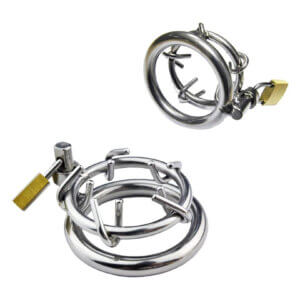
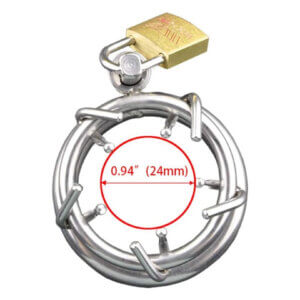
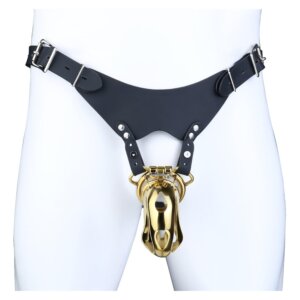
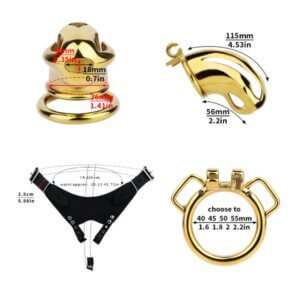
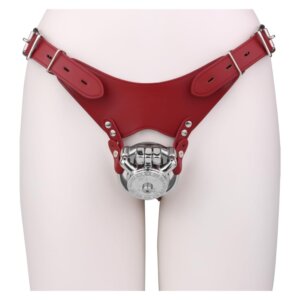
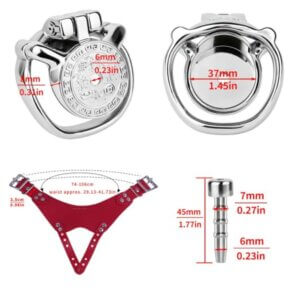
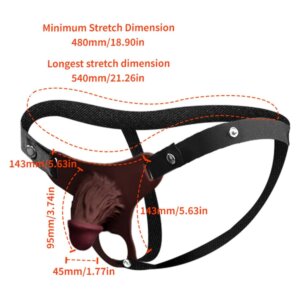
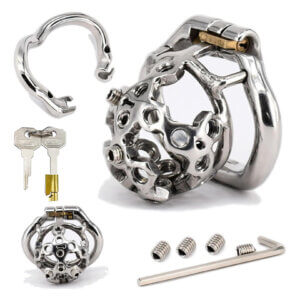
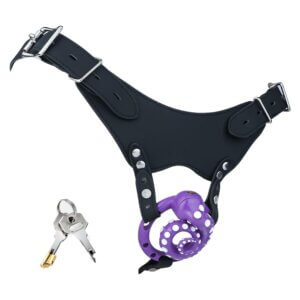
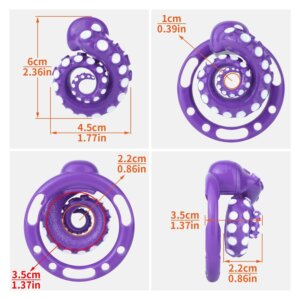
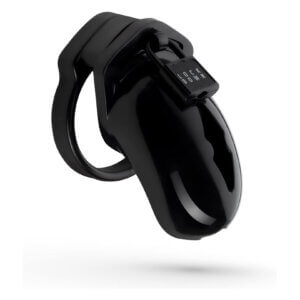
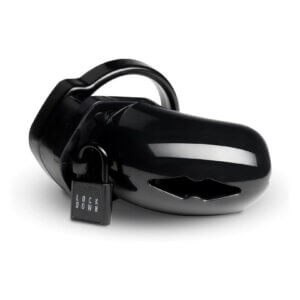
If chastity is part of your No Nut November plan, anxiety is a reason to review consent, pressure, communication, and access to device removal—not a reason to make the rules stricter.
Separate the trigger from the interpretation
Write down what happened immediately before the anxiety: a social-media cue, lack of sleep, an argument, repeated checking, a community post, or uncertainty about a body response. Then record the interpretation—such as “this means I am weak” or “I have damaged my progress.” The event and the judgment are not the same thing.
Reduce pressure before adding more rules
- Step away from challenge feeds that use humiliation or alarm.
- Stop counting every thought or involuntary response as a failure.
- Return to sleep, meals, movement, work, and ordinary social contact.
- Tell a trusted person what support you want, without surrendering privacy.
- Leave the challenge if participation is making wellbeing worse.
When to seek support
Seek qualified help if anxiety is severe, persistent, causes panic, disrupts sleep or daily functioning, or accompanies thoughts of self-harm. Urgent danger requires immediate local emergency support. NNN is optional; there is no benefit in continuing simply to satisfy an online audience.
What the evidence can and cannot say
The direct NNN study did not find a general deterioration in its measured sexual-wellbeing outcomes, but that group-level result cannot rule out distress in an individual. Research connecting masturbation frequency with anxiety is observational and context-dependent; it cannot prescribe one correct frequency or prove that stopping caused a symptom.
Use impact—not the streak—to decide what happens next
Mild worry that is brief and does not prevent normal activity may improve after reducing challenge feeds, sleeping, eating, moving, and talking with someone trusted. If self-care does not help, symptoms worsen, or anxiety starts interfering with work, school, relationships, sleep, or basic tasks, seek qualified support. NIMH recommends professional help when anxiety causes problems in everyday life.
A short pressure-reduction plan
- Pause the challenge for 24 hours. Do not add punishment, extra days, or stricter rules.
- Leave humiliating or alarm-based feeds. Community participation is optional.
- Return to ordinary routines. Prioritize sleep, meals, movement, responsibilities, and social contact.
- Describe the trigger plainly. Separate what happened from the judgment that it proves weakness or damage.
- Choose support. Use a trusted person, health professional, or local mental-health service based on the level of distress.
The NNN stop and safety guide provides broader decision boundaries. If rules are the source of repeated uncertainty, simplify them with the personal NNN rules template. Broader changes in mood and focus belong in the NNN mental-effects guide.
Urgent danger is outside the challenge
Thoughts of suicide, urges to hurt yourself, inability to stay safe, or another immediate danger require urgent local help. Contact emergency services or a crisis service where you live. Do not wait for the challenge to end and do not rely on an online community to manage an emergency.
The cited masturbation-frequency study is cross-sectional and was conducted in the COVID-19 era. It can show an association, not that reducing or increasing masturbation caused anxiety or sleep changes.
Support source: NIMH guidance on symptom impact and when to seek help.
Sources: direct NNN study; observational study on masturbation frequency, anxiety and sleep.
Reduce pressure when chastity is part of the anxiety
Tell the other person involved what is happening in direct terms and ask for the plan to pause. If a device is contributing to panic, repeated checking, sleep loss, or a sense that you cannot change your mind, remove it when safe to do so. Consent to a lockup can be withdrawn without completing a streak or accepting punishment.
After the immediate pressure has eased, decide whether the original goal can continue without the device, without another person controlling access, or without NNN’s calendar. If anxiety keeps interfering with daily life, seek qualified support rather than relying on a stricter chastity rule.