
There is no single mental effect of No Nut November. Some participants report focus, confidence, or a sense of control; others describe distraction, irritability, pressure, or no meaningful change. These experiences may be real without proving that abstinence directly caused them. People enter NNN with different expectations, habits, stress levels, relationships, and goals—and often change several behaviors at once.
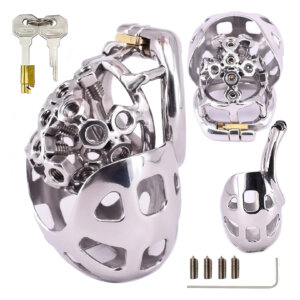
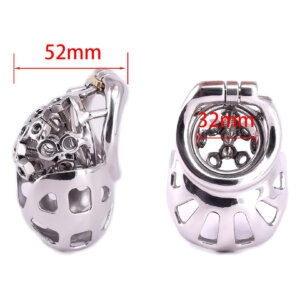
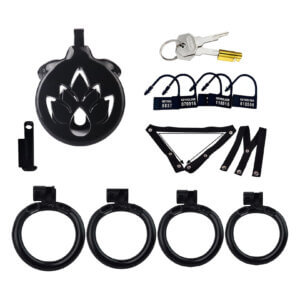
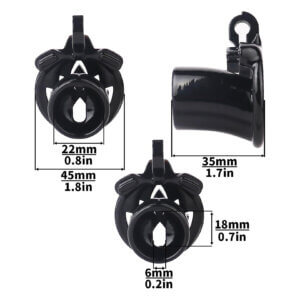
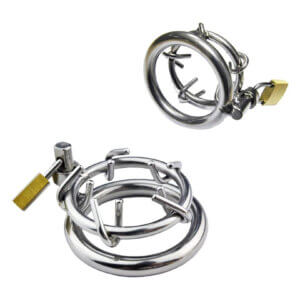
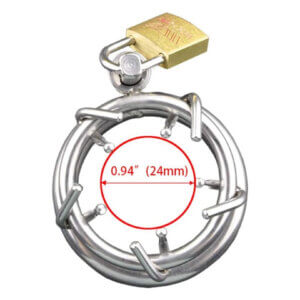
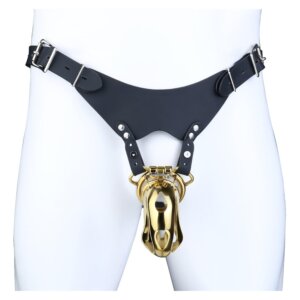
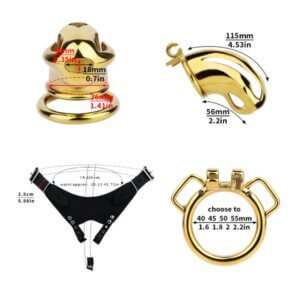
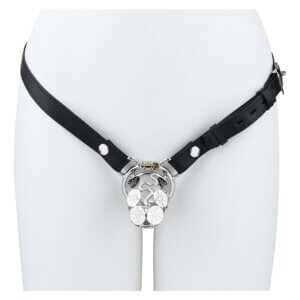
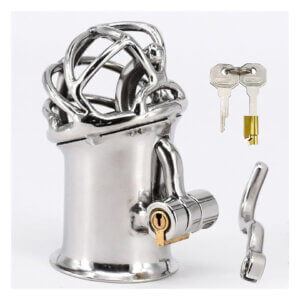
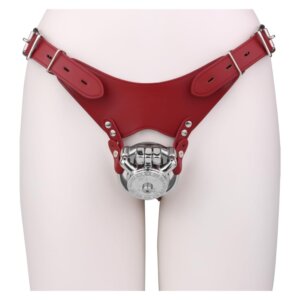
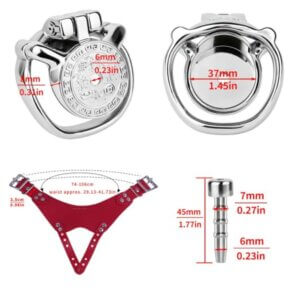
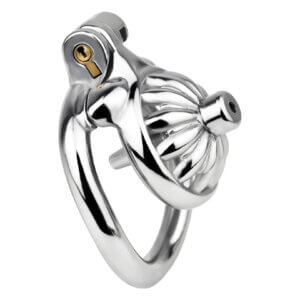
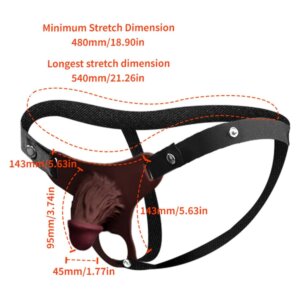
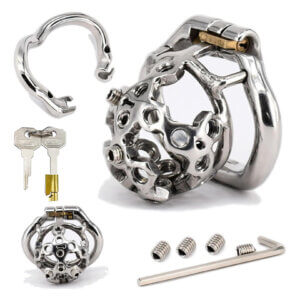
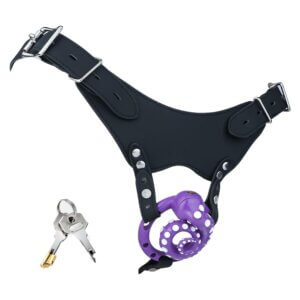
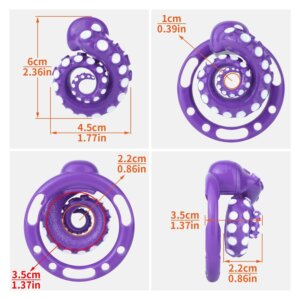
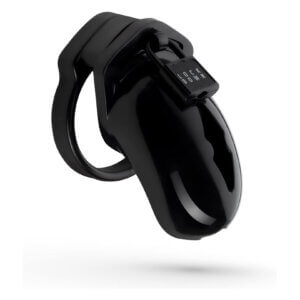
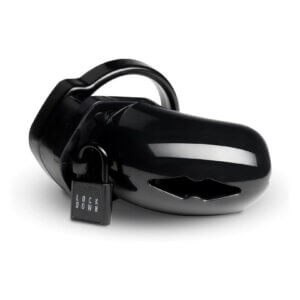
If chastity is part of your No Nut November plan, the practical question is how the experience affects your mood, sense of control, consent, communication, and ability to pause device use without shame.
What direct NNN research found
The first longitudinal study focused on NNN did not find significant participation-related changes in sexual pleasure, solitary desire, sexual dysfunction, or sexual excitation. It did not settle every question about mood or mental health, and its follow-up sample was limited. Still, the study does not support a promise of universal psychological transformation.
Expectation changes what people notice
Someone expecting exceptional clarity or severe discomfort may monitor ordinary fluctuations more closely. Community language can strengthen that interpretation. Reddit threads frequently mention urges, distraction, replacement activities, and support through humor. Those discussions reveal coping language and social experience; they are not clinical evidence.
Track observable outcomes
Instead of asking whether NNN is “improving the brain,” track a concrete outcome: time spent on unwanted content, sleep quality, study interruptions, mood, or relationship tension. Compare the month with your usual pattern without assuming that every difference came from abstinence.
The NNN preparation checklist helps define a measurable purpose, while the personal rules template provides a place to set non-shaming exit conditions. If anxiety is the immediate problem, the separate NNN anxiety support page provides practical next steps.
When continuing is no longer useful
Pause if the challenge produces persistent anxiety, worsening sleep, intrusive monitoring, shame, conflict, or interference with daily life. Seek qualified support when distress is severe or ongoing. Completing a meme-based challenge is never more important than mental wellbeing.
What the direct study does not answer
The direct NNN study measured sexual pleasure, solitary desire, sexual dysfunction, sexual flexibility, and sexual excitation. It did not provide a complete test of anxiety, depression, attention, productivity, or every possible mental-health outcome. Its follow-up sample was also much smaller than the initial sample. The responsible conclusion is that the measured outcomes did not show a general NNN effect—not that every participant must feel the same.
Separate the challenge from everything changing around it
Sleep, exercise, work pressure, relationship events, alcohol, screen time, and expectations can change during the same month. If focus improves after replacing late-night scrolling with sleep, that does not demonstrate that semen retention changed the brain. If irritability appears during a stressful week, abstinence may not be the only explanation.
A simple weekly check can record sleep, mood, concentration, time spent on unwanted content, relationship tension, and daily functioning. Look for patterns rather than treating every good or bad day as proof. For immediate distress, use the NNN anxiety support guide; for a broader decision about continuing, review when to stop NNN.
Evidence: direct NNN longitudinal study; abstinence motivations and psychological context.
Separate a consensual chastity experience from worsening distress
You may enjoy structure, anticipation, or voluntarily giving a partner some control. That experience is not the same as proving a universal mental-health benefit. Check whether the arrangement remains chosen, whether you can communicate discomfort, and whether changing or ending the rule is treated as a valid decision.
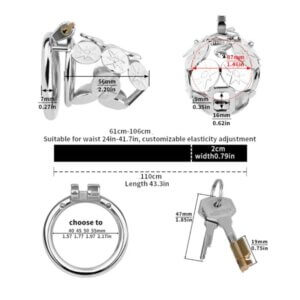
Pause the plan if it is driving persistent anxiety, sleep loss, compulsive checking, humiliation you did not agree to, or conflict that you cannot resolve safely. If a device is adding pressure, remove it when safe to do so and return to the device fit and safety basics before considering future use.