
NNN is not an established performance program
Current research does not show that a month without ejaculation reliably increases strength, endurance, muscle growth, or recovery. The studies closest to this question usually compare sexual activity with short-term abstinence before a test or competition. They do not test NNN as a training intervention.
If chastity is part of your No Nut November plan, workout decisions should be based on movement, fit, friction, circulation, and the demands of the activity—not on a promised performance boost.
What systematic reviews found
A 2022 systematic review and meta-analysis concluded that sexual activity occurring roughly 30 minutes to 24 hours before exercise did not appear to affect aerobic fitness, muscular endurance, or strength and power. The underlying studies were small and methodologically varied, so the result should not be turned into a universal rule. It does, however, challenge the claim that abstinence is necessary for performance.
Why individuals may still report a difference
Sleep, timing, stress, motivation, alcohol use, training load, and expectations can all affect a workout. If someone changes late-night screen use or sleep during NNN, performance might change for reasons unrelated to semen retention. A pre-competition ritual may also affect confidence without producing a hormonal advantage.
Use ordinary training evidence
For better performance, prioritize progressive training, recovery, sleep, nutrition, hydration, and injury management. Treat NNN as an optional personal challenge, not as a substitute for these fundamentals. If abstaining helps you follow a routine, describe that as a personal behavioral effect rather than a proven physiological boost.
How much evidence is behind the result?
The 2022 meta-analysis included nine crossover studies and 133 participants; 99% were male. The studies assessed physical-fitness measures rather than performance in an actual competition, and they focused on sexual activity within roughly 30 minutes to 24 hours before testing. The pooled result favored neither abstinence nor sexual activity.
This is useful evidence against a universal pre-workout abstinence rule. It still cannot tell us whether a month-long internet challenge improves training adaptation, muscle gain, recovery over several weeks, or performance in every sport.
Track the variables that can actually change a workout
Compare sleep duration, training load, nutrition, hydration, illness, alcohol, stress, and workout timing before attributing a change to NNN. If the challenge changes bedtime or motivation, describe that pathway rather than claiming semen retention created a physiological advantage.
The separate NNN testosterone evidence guide explains why short-term hormone measurements do not establish muscle growth. For the wider set of claims, see the NNN benefits evidence overview and NNN myths fact-check.
Sources: 2022 systematic review and meta-analysis; earlier systematic review.
Treat device use during exercise as a separate safety decision
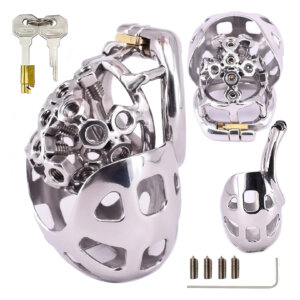
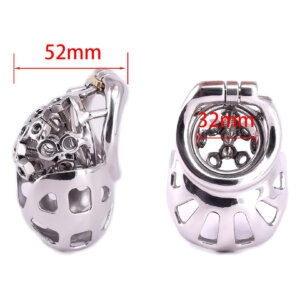
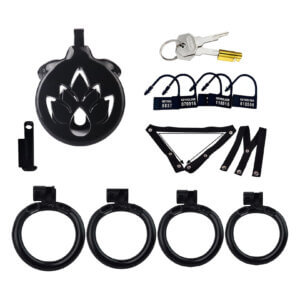
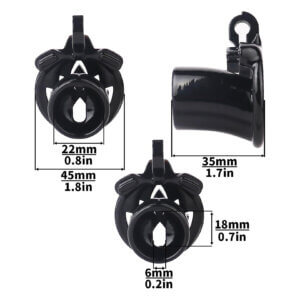
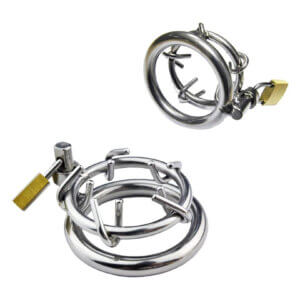
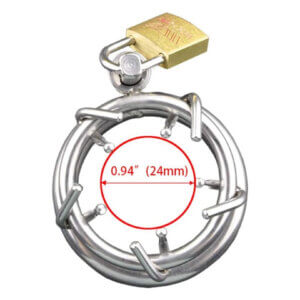
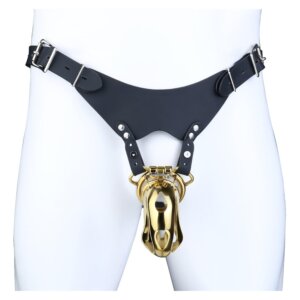
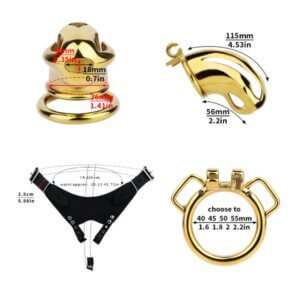
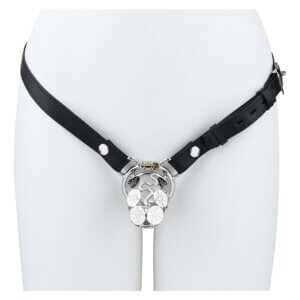
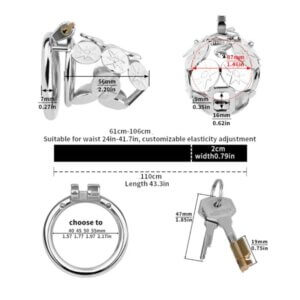
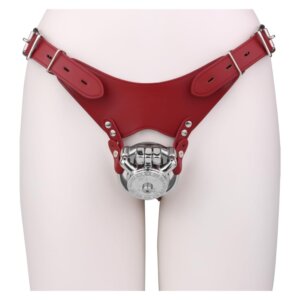
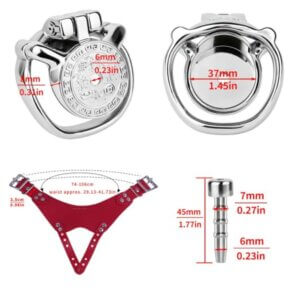
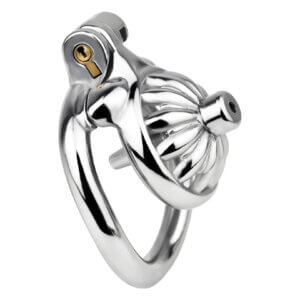
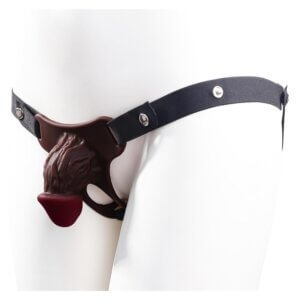
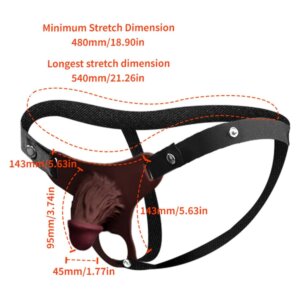
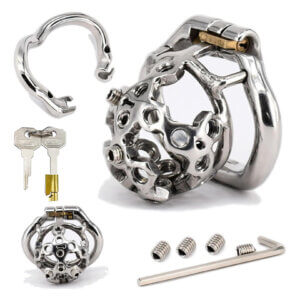
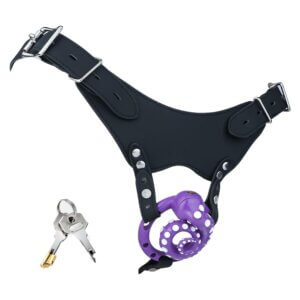
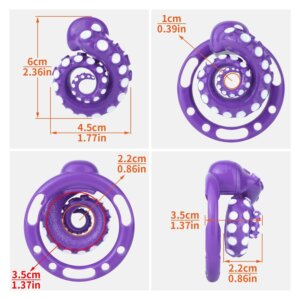
A device can change movement and create pressure or friction even when abstinence itself has no measurable effect on strength or endurance. Consider the exercise, clothing, impact risk, range of motion, sweat, and whether you can stop and remove the device promptly.
Do not use a streak to justify training through pinching, chafing, numbness, swelling, or color change. Remove or pause device use when the activity cannot be performed comfortably, and review the chastity fit and safety guide before the next session.