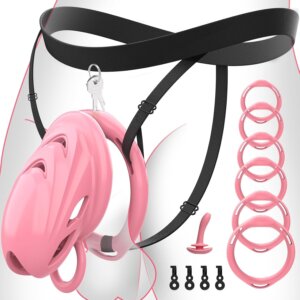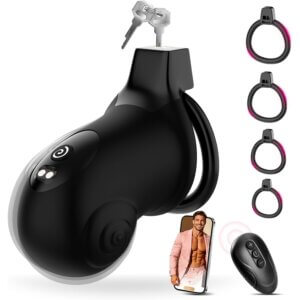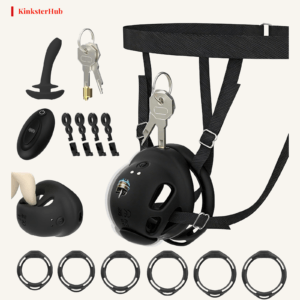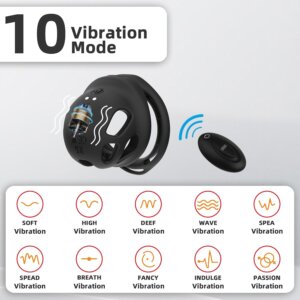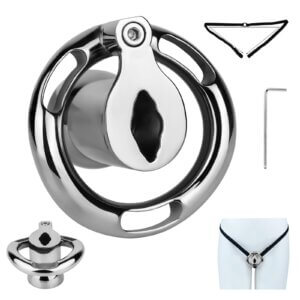

If you just heard about Locktober, do not rush to buy a cage, find a keyholder, or prove you can survive thirty-one days. That is how beginners turn a seasonal kink challenge into a medical problem with better branding. Locktober is not supposed to be a toughness contest. At its best, it is a consensual October experiment in chastity, denial, restraint, anticipation, and self-knowledge.
Every year, kink-adjacent communities ask the same two beginner questions in different words: “What does Locktober even mean?” and “Is this just a chastity kink thing?” Those questions are not stupid. They are the correct place to start, because Locktober sits between community ritual, BDSM power exchange, orgasm denial, and personal challenge culture.
In plain language, Locktober means using October as a structured Locktober challenge calendar for erotic restraint. Some people wear a chastity cage or belt. Some involve a partner or keyholder. Some participate solo with written rules, check-ins, or symbolic restrictions. The shared theme is not one universal rulebook. The shared theme is intentional restraint during October.
This guide is for curious adults, not people trying to prove how extreme they are. If any device causes pain, numbness, swelling, discoloration, skin injury, circulation problems, urinary issues, panic, or distress, stop and remove it. Keep emergency access available. Hygiene and health checks are not cheating. They are part of responsible play.
If curiosity turns into a plan, begin with a realistic first-Locktober plan rather than jumping straight from a definition to equipment or a 31-day promise.
What Is Locktober, Really?
Why People Ask “What Is Locktober?”
Locktober is easy to misunderstand because the word hides several layers. To someone outside kink spaces, it can sound like a meme, a fitness challenge, or a seasonal joke. To people familiar with chastity play, it usually means spending some or all of October in a chastity-focused challenge.
Community explanations often reduce it to “staying locked for October.” That is useful as a starting point, but it leaves all the beginner questions untouched. Locked how? Locked by whom? Locked for how long? Is the lock physical, psychological, relational, or symbolic?
The answer can be any of those, depending on the participant. In many BDSM and chastity contexts, being “locked” means wearing a device that limits sexual access or masturbation. In softer versions, the lock is metaphorical: rules around orgasm denial, porn limits, edging limits, journaling, check-ins, partner permission, or daily restraint.
Locktober in Plain Language
Say it without the dramatic fog: Locktober is a voluntary October chastity challenge where adults use rules, devices, partner agreements, or personal rituals to explore erotic restraint and anticipation.
That definition matters because it avoids two beginner traps. First, Locktober is not automatically a permanent lifestyle. Plenty of people use it as a one-month experiment. Second, Locktober is not automatically a medical, moral, or self-improvement program. It belongs primarily to kink and chastity culture, even if some people attach discipline or intimacy goals to it.
Think of Locktober as a seasonal container. October gives the experience a start, an end, and a shared rhythm. What goes inside that container can vary: solo denial, couple play, keyholder control, gentle teasing, journaling, symbolic abstinence, or learning what chastity feels like in daily life.
Core takeaway: Locktober is not one rule. It is a consensual container. The responsible question is not “What is the strictest version?” but “What version can I practice safely, honestly, and clearly?”
Why October Became a Chastity Challenge Month
A Community Ritual, Not a Universal Rulebook
Calendar-based kink challenges are powerful because they make an abstract fantasy easier to plan. “I want to be denied” can feel emotionally intense but vague. “From October 1 to October 7, I will follow these three rules and review them” is easier to understand and safer to negotiate.
A month is long enough to feel meaningful but short enough to imagine finishing. It also creates community rhythm. People post day-one plans, mid-month check-ins, jokes, questions, and end-of-month reflections. For some participants, that shared energy is as important as the device.
But community rhythm should not become pressure. Locktober is not an official program. There is no central authority deciding whether someone “really” participated. A person who locks for three days, pauses for health reasons, or chooses symbolic denial is not failing a universal test. They are adapting the challenge to real life.
How Locktober Connects to Chastity and BDSM
Chastity play often sits at the intersection of physical restriction, psychological anticipation, and power exchange. In one common version, a dominant or keyholder controls when the locked partner can access sexual pleasure. But Locktober does not require every participant to use a strict dominant/submissive dynamic.
Some people like control. Some like ritual. Some like denial. Some like accountability. Others are simply curious and want a structured month without turning it into a permanent identity. That is why a no-shame approach matters: beginners need enough information to choose, not pressure to perform an exaggerated version of kink.
Locktober can overlap with No Nut November, long-term chastity, and other seasonal denial challenges. Those connections can be fun, but they can also create escalation pressure. A responsible beginner guide treats October as one possible experiment, not an automatic gateway into months of continuous denial.
Core takeaway: Seasonal challenge culture can make kink feel approachable, but it should never outrank consent, health, privacy, or the right to stop.
Who Is Locktober For?
Beginners Who Want Structure Without Pressure
Locktober attracts beginners because it gives curiosity a deadline. Instead of asking, “Should I try chastity someday?” the question becomes, “Could I try a version of this during October?”
A beginner does not need to start with a full thirty-one-day device commitment. Many beginners should not. A first attempt can be a three-day test, a seven-day symbolic challenge, or a weekend routine with written rules. The goal is to learn how your body, schedule, privacy, and emotions respond to restraint. If you are unsure which commitment fits your life, compare 3-day, 7-day, and 31-day Locktober options before deciding.
A useful beginner version might include a short written intention, a daily comfort check, planned unlocks for hygiene, and a weekly review. If you are not using a device, your version might focus on orgasm denial, fantasy journaling, or avoiding a specific habit for a defined period.
If you need concrete ideas for the routine itself, choose a few daily chastity tasks for beginners rather than copying someone else’s full rulebook.
Solo and Partnered Participation
Locktober does not require a keyholder. Solo Locktober works best when it has structure: a private journal, timer with override, written agreement, and weekly review. Without some form of accountability, solo play can become either too loose to feel meaningful or too intense because there is no outside perspective.
Partnered Locktober works best when it begins with communication rather than rules. A partner should understand what the challenge means, what is optional, what is off-limits, and how either person can pause. If one partner is curious and the other is hesitant, start with conversation, not pressure.
Core takeaway: Solo, couple, keyholder-led, symbolic, and device-based versions can all be valid. The format should match your real trust, privacy, communication, and safety capacity.
Do You Need a Cage, a Keyholder, or a Full 31-Day Commitment?
Optional Tools vs. Required Consent
A chastity device can make Locktober feel concrete, but it is only one possible format. Before shopping, compare device-based and device-free ways to participate and decide whether equipment belongs in your version at all. The non-negotiable requirement is consent. If a device is involved, the wearer must understand fit, hygiene, emergency access, and stop conditions. If a partner or keyholder is involved, both people need clear agreements about authority, communication, privacy, and limits.
A cage without consent is not kink. A rule without a stop condition is not good structure. A challenge that ignores pain, anxiety, or relationship strain is not more authentic. Consent is not a checkbox at the beginning of October. It is something participants keep checking.
For beginners, the better starting question is not “What is the strictest version I can survive?” It is “What version can I practice safely, honestly, and consistently?”
Keyholder or No Keyholder?
A keyholder can add accountability, anticipation, and power exchange. In a healthy dynamic, the keyholder does not simply hold control; they also hold responsibility. They communicate clearly, respect limits, avoid surprise escalation, and treat safety signals seriously.
If you do not have a trusted partner, be careful about handing control to a stranger. Online keyholding can carry privacy, blackmail, financial manipulation, and emotional pressure risks. A beginner should not give someone irreversible control, sensitive images, personal information, or money just to make Locktober feel more “real.”
Solo participation is valid. So is a collaborative couple version where no one plays a strict keyholder role. So is a symbolic version.
Core takeaway: A device and keyholder are optional. Consent, emergency access, and stop conditions are not optional.
Locktober Safety Basics Every Beginner Should Know
Pain Is Not Proof of Commitment
The most important beginner rule is blunt: pain is not the point. Pressure, awareness, or mild adjustment discomfort can happen with some devices, especially during early fitting. Sharp pain, numbness, coldness, discoloration, swelling, skin injury, urinary problems, or persistent aching are warning signs. Remove the device and reassess.
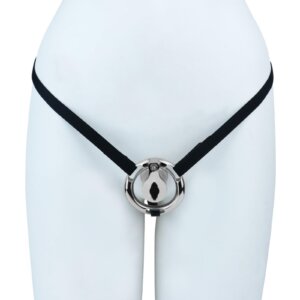
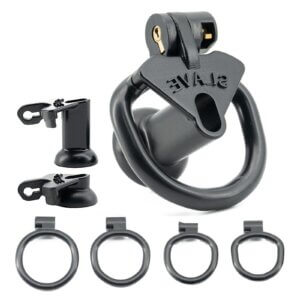
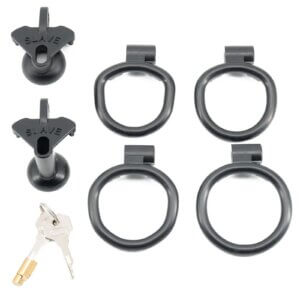
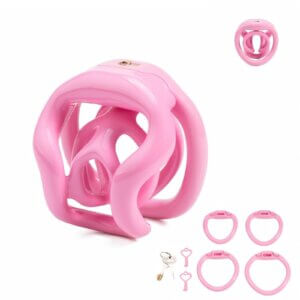
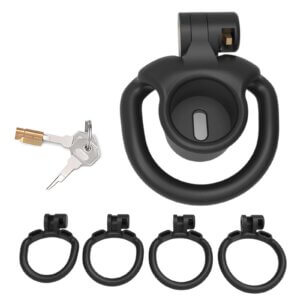
If you are using a device, do not buy a random cage the night before October; review a chastity cage safety guide before committing to a month of wear. Test it in short sessions. Check skin contact points. Learn how your body responds during sleep, movement, and ordinary routines.
Material matters too. Medical-grade 316L stainless steel and clearly labeled biocompatible resin are better beginner choices than mystery metal, cheap porous material, or poorly finished plastic. If a device causes itching, rash, burning, or persistent irritation, stop using it.
Hygiene, Breaks, and Emergency Access
Hygiene is not cheating. Scheduled cleaning is responsible chastity. Sweat, skin oils, urine residue, trapped moisture, and friction can create irritation or infection risk. Beginners should plan regular cleaning and inspection breaks, especially while learning fit.
Emergency access is essential. Some people use a sealed emergency key, a trusted partner, or a documented unlock process. The exact system can vary, but the principle cannot: if something feels medically wrong, you need a way out.
The No-Shame Body Reality: Morning Size, NPT, and Fit
If you wake up in discomfort, do not jump to shame. Nighttime penile tumescence is a normal physiological process. The body has erections during sleep whether or not you are trying to be disciplined, pure, obedient, or anything else.
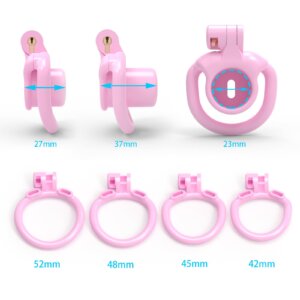
Morning pain in a device is usually information, not moral failure. It may mean the base ring is too small, the cage is too short, the angle is wrong, or overnight wear is not appropriate yet. Adjusting, sizing up, taking breaks, or switching to daytime-only wear is smarter than pretending your body is the enemy.
Core takeaway: Your body is not trying to embarrass you. It is giving fit data. Listen before a small problem becomes an injury.
A Simple Beginner-Friendly Way to Try Locktober
3-Day, 7-Day, 14-Day, and 31-Day Options
A beginner-friendly Locktober plan should have levels. Level one can be a three-day curiosity test: write your intention, choose one rule, check comfort daily, and review what you learned. Level two can be a seven-day beginner path with scheduled cleaning, journaling, and one planned reset point. Level three can be a fourteen-day version for people who already tested their device or rules. A full thirty-one-day version should be reserved for people who have the fit, privacy, health, and emotional readiness to support it.
Before you begin, define your goal in one sentence and choose your duration. Treat the Locktober rules guide as a menu rather than a checklist, then keep only rules that fit your version: one safety rule, one accountability rule, and one anticipation rule. Decide when you will review the experience. Decide what conditions require an immediate pause. If someone else is involved, agree on communication and stop language before the challenge begins.
A simple starter plan works best when it has a clear duration, one safety rule, one accountability rule, and one review point.
How to Stop Without Calling It Failure
Stopping early can mean the device fit was wrong. It can mean your schedule was not realistic. It can mean the rules were too strict. It can mean solo participation felt too unstructured. It can mean partnered participation needed more communication.
None of those outcomes are failure. They are information. A good Locktober ending, whether on day three or day thirty-one, includes reflection: What felt exciting? What felt stressful? What rules helped? What created pressure? Would you do it again, change it, or leave it as a one-time experiment?
If the word “failure” is creating pressure, decide in advance what counts as a broken rule, a reset, or a necessary safety stop.
Core takeaway: Completion is one metric. Learning your limits is another. Protecting your body is not losing the challenge; it is understanding the challenge.
Should You Try Locktober This Year?
You may be ready to try Locktober if you can define your rules clearly, keep emergency access available, communicate honestly, and treat safety as part of the challenge. You may want to wait if you are dealing with unresolved pain, poor device fit, relationship pressure, privacy risks, or the feeling that you must prove something to strangers online.
If this is your first Locktober, start smaller than your fantasy and use the Locktober readiness check before choosing a schedule. If a device is part of the plan, review the chastity cage fit and safety guide before comparing chastity cages. Write clearer rules than your impulse wants, keep hygiene and health at the center, and let the month teach you something instead of forcing yourself to match someone else’s performance.
Copy-and-Check Starter Card
My version is: [ ] symbolic [ ] 3-day [ ] 7-day [ ] 14-day [ ] full 31-day.
My review date is: ______.
My safety rule is: ______.
I will unlock or pause immediately if I notice: ______.
My emergency access plan is: ______.
If I stop early, I will call it information, not failure.