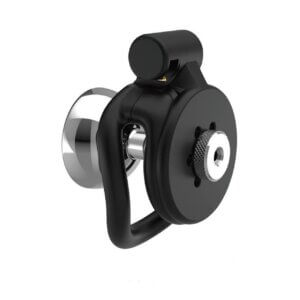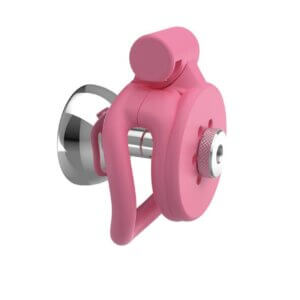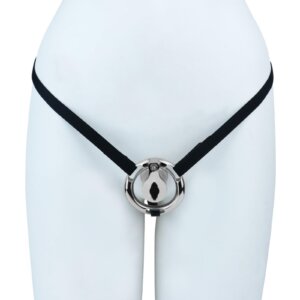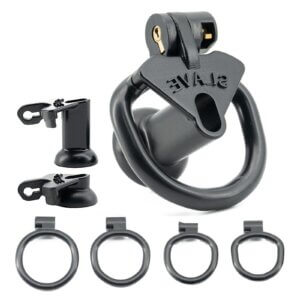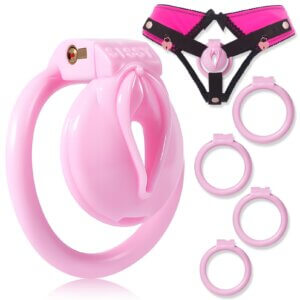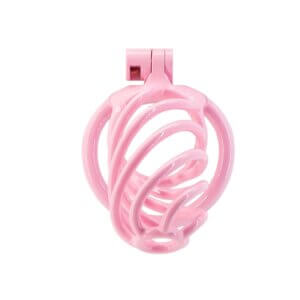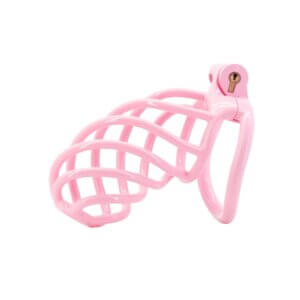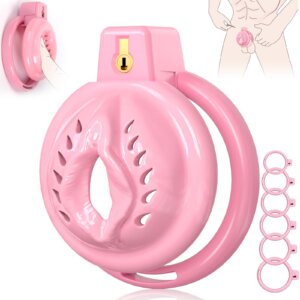


Locktober traditionally runs from October 1 through October 31. That does not mean every participant wears a device continuously for all 31 days. Duration, daily wear schedule, orgasm rules, and permitted unlocks are separate decisions.
For a lower-pressure starting point, adapt this short Locktober challenge plan before choosing the full calendar month.
For beginners, a three-day or seven-day version is often a more useful starting point than treating a full month as the only legitimate goal.
The traditional answer: October 1 through October 31
The name describes a calendar month, and many community guides present 31 days as the classic format. Some participants aim for continuous chastity; others unlock for cleaning, sleep, travel, exercise, or planned breaks.
KINK3D’s Locktober guide notes that practices vary: some people wear a device 24/7, some only during the day, and some use different orgasm policies. Agreeing on the schedule matters more than pretending one unofficial rule applies to everyone.
Duration and wear schedule are not the same thing
A “31-day challenge” might mean:
- A device remains on most of the month with hygiene unlocks
- Daytime wear with device-free sleep
- Selected days each week
- Device-free denial for the full month
- A progressive schedule that increases over time
Write down both the calendar duration and the wear pattern. Otherwise, participants and partners may think they agreed to different things.
The three-day trial
A three-day version is a systems test, not a miniature endurance contest. Use it to learn:
- Whether the device fits during ordinary movement
- How urination and cleaning work
- Whether sleep is affected
- How the experience influences mood and concentration
- Whether the goal still feels appealing after the novelty fades
Complete short test sessions before attempting consecutive days. If discomfort becomes pain or you notice numbness, swelling, discoloration, skin damage, or urinary difficulty, remove the device; seek appropriate medical care if symptoms are severe or persist.
The seven-day beginner challenge
Seven days reveal patterns that a single session may not. Workdays, exercise, social events, laundry, privacy, and relationship check-ins all enter the picture.
A beginner week might include scheduled daily body checks, planned cleaning, device-free sleep, and a midpoint conversation. Reddit accounts such as this first-Locktober AMA show that real participants often make practical adjustments rather than following an imaginary perfect streak.
The 31-day version
Consider a full month only after shorter trials have answered the basic questions. Before October 1, confirm:
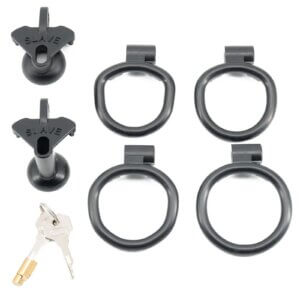
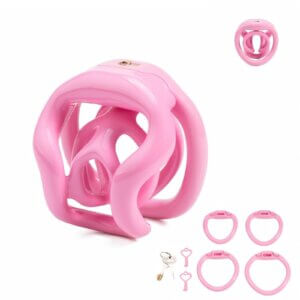
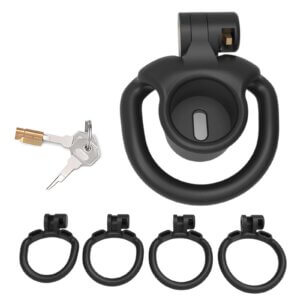
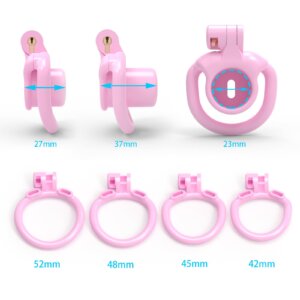
- The device and ring fit during daily life
- Cleaning and drying are manageable
- You have an emergency removal plan
- Work, exercise, travel, and healthcare needs are covered
- A partner or keyholder understands the boundaries
- You have scheduled checkpoints
- Stopping remains an acceptable option
For a practical introduction, read your first Locktober.
Comparison: 3, 7, or 31 days?
|
Version |
Best for |
Main purpose |
Primary risk |
|---|---|---|---|
|
3 days |
New participants |
Test fit and routines |
Moving too quickly |
|
7 days |
Beginners with successful trials |
Build repeatable habits |
Ignoring accumulated irritation |
|
31 days |
Experienced, prepared participants |
Full seasonal challenge |
Prioritizing streak over safety |
When to pause, resize, shorten, or stop
Use the Locktober readiness check before committing, and define in advance what counts as failure, a reset, or a safety stop.
Pause when you need to reassess comfort, hygiene, mood, or consent. Resize when a device consistently pinches, slips, restricts normal function, or causes irritation. Shorten the challenge when daily life becomes unmanageable. Stop immediately for concerning physical symptoms or withdrawn consent.
Review the chastity cage safety guide and seek appropriate medical help for persistent or serious symptoms.
Write rules that make adjustments legitimate
Include planned cleaning, device-free windows, travel exceptions, healthcare exceptions, check-in times, emergency access, and a no-penalty stop rule. Define success as following the agreed process—not hiding problems to protect a number.
Calendar length and wear schedule are different decisions
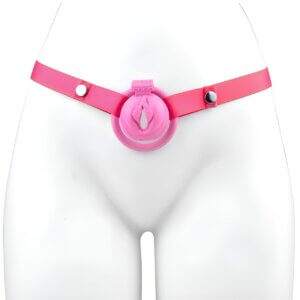
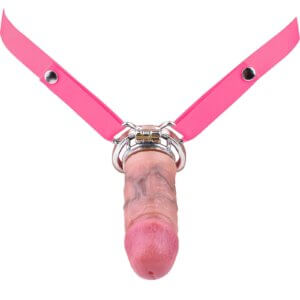
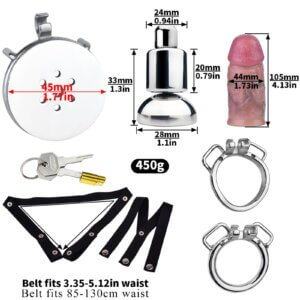
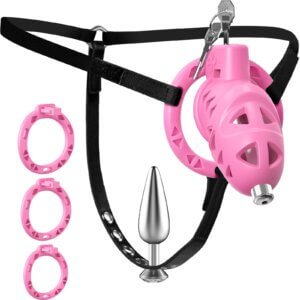
A 31-day theme does not require continuous device wear. Readers using equipment can compare comfortable chastity device options after short fit tests. Someone can participate throughout October while using short sessions, alternating days, weekends only, or device-free rules. Separating the calendar from the physical schedule makes the challenge easier to adapt and prevents an internet meme from becoming an inflexible endurance target.
A three-day Locktober starter plan is useful for learning logistics. A seven-day version reveals how the plan interacts with work, exercise, sleep, hygiene, and communication. A 31-day version adds repetition and emotional intensity, so it is best treated as a series of reviewable stages rather than one irreversible promise.
A practical progression for first-time participants
- Test: use short, ordinary sessions with easy removal and no pressure to extend.
- Review: note comfort, cleaning, privacy, mood, and communication problems.
- Choose: select three days, seven days, or a flexible month based on evidence from the test.
- Recheck: schedule at least weekly conversations and allow immediate changes.
The low-stress beginner challenges provides alternatives to an all-month plan. Readers who prefer more structure can adapt ideas from the Locktober rules guide, while the daily chastity at home guide addresses ordinary routines.
What should make you shorten the plan?
Shorten or pause when the activity disrupts sleep, hygiene, urination, work, exercise, travel, emotional wellbeing, or honest communication. Difficulty does not automatically mean the challenge is meaningful. A useful October plan is specific without becoming rigid. Write down the intended duration, any device schedule, who can change the rules, how often check-ins happen, and what ends the activity immediately. Consent is ongoing, so a previous yes never removes anyone’s right to pause, renegotiate, or stop. If a device is involved, fit, cleaning, ordinary bathroom use, and prompt emergency removal should be tested before a longer commitment. Pain, numbness, swelling, discoloration, broken skin, or difficulty urinating are stop signs, not achievements. Remove the device and seek appropriate medical care if symptoms are severe or persist.
A pause does not need to become a debate about willpower. Use a simple sequence: stop the activity, address the immediate need, share only the information required for safety, and decide later whether to resume. Couples can agree in advance that a safety pause carries no punishment and does not require intimate proof. Solo participants can use the same rule by writing it into the plan before motivation and frustration begin competing with judgment. This keeps the challenge inside the boundaries of adult play instead of letting the calendar dictate the outcome.
The takeaway
Locktober traditionally lasts 31 days, but your first version does not have to. Three days tests the system, seven days tests the routine, and 31 days tests long-term preparation. Pick the version that teaches you something without asking your body to prove a point.