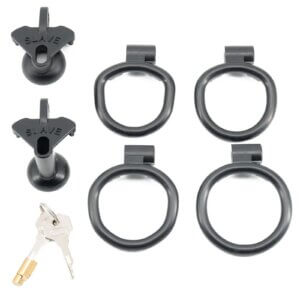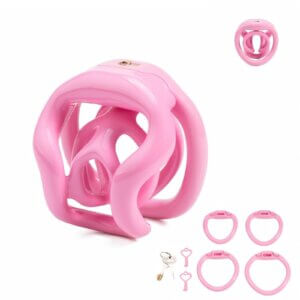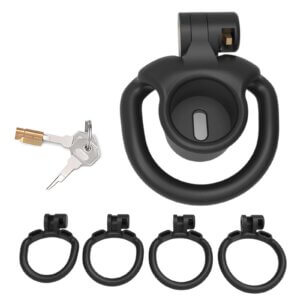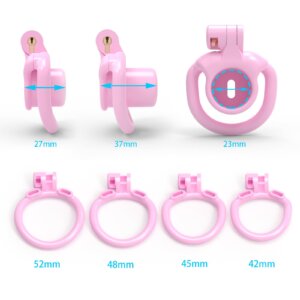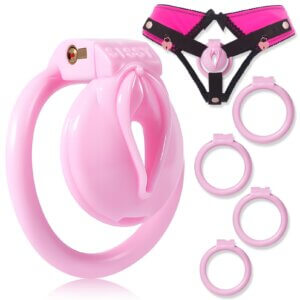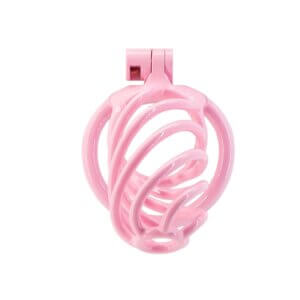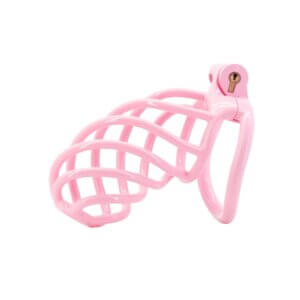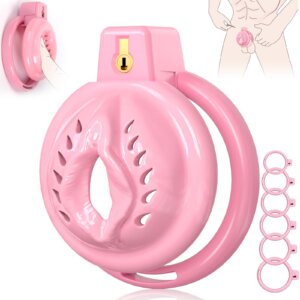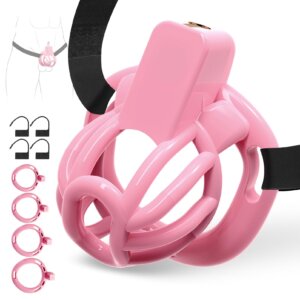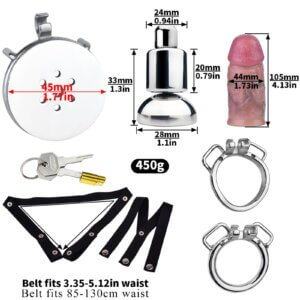

People try Locktober for different reasons: erotic anticipation, self-discipline, submission, relationship connection, curiosity, or participation in a seasonal community tradition. There is no single motivation and no guaranteed psychological or relationship outcome.
Readers still defining the activity can begin with a consent-forward Locktober overview before choosing their motivation.
For some adults, it is an exciting experiment. For others, it is uncomfortable, distracting, or simply unappealing. Both reactions are valid.
Six common reasons people participate
Erotic anticipation and denial
Restricting access to familiar stimulation can make anticipation a larger part of the experience. Some participants enjoy teasing, waiting, or shifting attention to other forms of intimacy. This is a subjective erotic response, not a promised biological effect.
Discipline and a time-boxed challenge
October provides a clear beginning and end. Solo participants may use that structure to observe habits, practice delayed gratification, or complete a personal challenge. The month is a container; it is not evidence that longer denial automatically produces better self-control.
Submission, control, and devotion
In a consensual D/s dynamic, giving a keyholder control can make submission feel tangible. The device or rule becomes a symbol of trust and negotiated authority. A keyholder role never cancels ongoing consent or emergency access.
Relationship communication and shared ritual
Partners may use Locktober as an excuse to discuss desire, boundaries, routines, teasing, rewards, and aftercare. The benefit comes from communication and mutual attention—not from the calendar itself.
Exploring other forms of intimacy
When one route to pleasure is restricted, couples or solo participants may pay more attention to touch, service, fantasy, toys, or emotional connection. That exploration should remain chosen rather than imposed.
Community and seasonal tradition
Some people enjoy knowing others are following a similar challenge. Progress posts, jokes, calendars, and shared vocabulary can make a private activity feel connected to a wider community.
Solo vs. partnered motivations
Solo participants often emphasize discipline, curiosity, or self-observation. Partnered participants may focus more on trust, teasing, service, or power exchange. Neither version is inherently more authentic.
Feeld’s guide, developed with input from a sex and relationship therapist, describes discipline, ritual, anticipation, body awareness, and community as common themes. KINK3D similarly emphasizes challenge and connection while acknowledging flexible rules.
What participants say they enjoy—and struggle with
Reddit discussions add practical texture. In a first-Locktober AMA, the participant described power, altered sexual focus, and increased desire, while also mentioning inconvenient urination and planned unlocking. Other discussions focus on fit, sleep, chafing, boredom, privacy, and the difference between self-locking and giving someone else control.
These stories reveal possible experiences, not universal outcomes.
Expectations that create disappointment
Locktober may disappoint when someone expects it to:
- Automatically repair a relationship
- Prove submission or masculinity
- Create constant arousal
- Cure compulsive behavior without other support
- Be comfortable without training and correct fit
- Make a reluctant partner enthusiastic
A seasonal challenge cannot replace honest conversations, medical care, or professional mental-health support.
Questions to discuss before starting
- What do we actually want from this?
- Is the format device-based or device-free?
- Which activities are allowed?
- How will cleaning and body checks work?
- Who can access the key?
- How often will we check in?
- What symptoms or feelings trigger a pause?
- How can either person end the challenge?
- What happens after October?
If the concept is new, first read what is Locktober.
When Locktober is not a good fit
Do not proceed when participation is pressured, a device is painful or poorly fitted, emergency access is missing, partners cannot discuss boundaries, or the challenge worsens distress. “Not this year” is a complete answer.
If the motivation is appealing but the practical plan is unclear, use the Locktober readiness check before deciding whether—or how—to participate.
Motivation is personal, not a promised outcome
People may describe Locktober as disciplined, connecting, erotic, playful, or emotionally intense, but those are possible experiences rather than guaranteed benefits. The same rule can feel exciting to one person and stressful to another. Responsible planning begins by naming the desired experience and the unwanted outcomes instead of assuming the calendar will improve a relationship or prove self-control.
Solo participants often value structure, anticipation, or a break from habitual routines; a beginner Locktober planning guide can help turn that motivation into a realistic format. Partners may enjoy shared attention, negotiated control, teasing, or a reason to communicate more deliberately. Some people mainly like the seasonal community ritual. None of these motivations makes participation mandatory, and opting out says nothing about commitment, masculinity, submission, or relationship quality.
Questions that reveal the real goal
- What do I hope to feel or learn by the end?
- Would a shorter or device-free version create the same experience?
- What would make this feel pressured, isolating, or overly demanding?
- How will we respond if one person’s interest changes?
- Which parts are private, and what—if anything—may be shared?
For partnered planning, use the keyholder communication guide and the successful keyholder guide. Participants who choose equipment can browse practical supplies and a reliable emergency-access plan. Solo and first-time participants may prefer the flexible structure in our beginner chastity routine guide.
Keep the experience voluntary throughout
A useful October plan is specific without becoming rigid. Write down the intended duration, any device schedule, who can change the rules, how often check-ins happen, and what ends the activity immediately. Consent is ongoing, so a previous yes never removes anyone’s right to pause, renegotiate, or stop. If a device is involved, fit, cleaning, ordinary bathroom use, and prompt emergency removal should be tested before a longer commitment. Pain, numbness, swelling, discoloration, broken skin, or difficulty urinating are stop signs, not achievements. Remove the device and seek appropriate medical care if symptoms are severe or persist.
A pause does not need to become a debate about willpower. Use a simple sequence: stop the activity, address the immediate need, share only the information required for safety, and decide later whether to resume. Couples can agree in advance that a safety pause carries no punishment and does not require intimate proof. Solo participants can use the same rule by writing it into the plan before motivation and frustration begin competing with judgment. This keeps the challenge inside the boundaries of adult play instead of letting the calendar dictate the outcome.
After the challenge, review what actually happened: which rituals were enjoyable, which rules created unnecessary friction, and whether anyone wants to repeat, revise, or retire the idea. A useful debrief turns one month into informed experience instead of forcing a positive story.
The takeaway
People do Locktober for discipline, anticipation, submission, connection, exploration, and community. The best reason is one the participant freely chooses and can explain. The best plan leaves room to adjust, and the best outcome never requires ignoring safety or consent.