
No Nut November has not been shown to create a reliable, lasting testosterone increase. Small studies have examined hormonal measurements after masturbation or periods of abstinence, but they do not establish that a 30-day challenge raises testosterone in a clinically meaningful way—or that it improves muscle growth, mood, energy, or sexual function.
If chastity is part of your No Nut November plan, the relevant question is not whether longer lockup “boosts” testosterone, but how to separate a behavioral challenge from an unsupported hormone claim.
What the research actually shows
The problem with the “day seven spike”
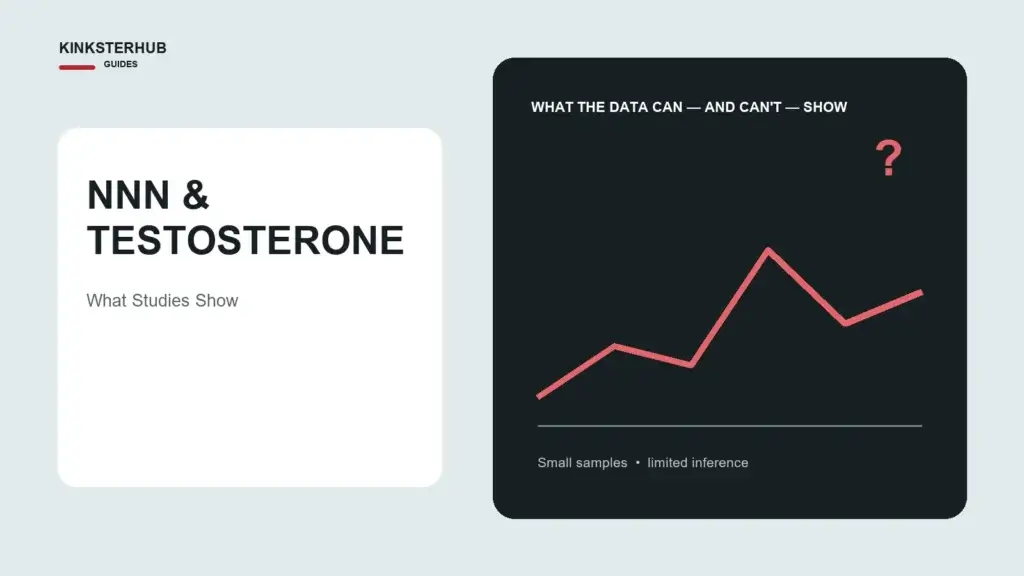
The most repeated claim came from a small study of 28 men that reported a testosterone peak around the seventh day. That paper was later retracted. Even before retraction, a single measurement in a small sample could not demonstrate a sustained month-long increase or a health benefit. It should not be used as the scientific foundation for NNN.
What other small studies can tell us
A study of healthy men reported higher testosterone concentrations following three weeks of abstinence, while a later randomized crossover pilot examined hormonal responses around masturbation. These studies used different designs, small samples, and short measurement windows. They show that endocrine responses can be studied; they do not create a rule that abstinence continuously raises testosterone.
Why a laboratory difference is not treatment
Testosterone varies with time of day, sleep, illness, energy availability, medication, age, and other factors. A temporary laboratory difference is not the same as correcting clinically low testosterone. Fatigue, low mood, or changes in sexual function also have many possible causes.
If your goal is athletic performance, the dedicated NNN and workout evidence page will separate performance studies from hormone marketing. For the broader health picture, use the NNN benefits evidence overview. Neither page replaces medical assessment.
Practical conclusion
Join NNN for a voluntary personal or community goal if it suits you—not because a viral chart promises a hormone boost. Anyone concerned about persistent symptoms should seek an appropriate medical evaluation rather than extending abstinence based on internet claims.
What the small studies actually measured
The three-week abstinence study involved 10 healthy adult men. Testosterone concentrations were higher after the abstinence period, but the study did not test NNN, people with clinically low testosterone, symptoms, muscle growth, or long-term outcomes. The later crossover pilot involved only eight healthy young men and examined short-term hormonal responses around masturbation and visual stimulation.
Those findings are useful for showing that hormone measurements can vary under different experimental conditions. They are not a dosage rule in which more days without ejaculation produce progressively more testosterone.
Why the retraction matters
The paper behind the popular seventh-day chart is listed by PubMed as a retracted publication. A retracted result should not be presented as reliable evidence for a hormone strategy. Even if the reported peak were treated only as historical context, it was one short-term measurement in 28 volunteers—not proof of a sustained effect.
Symptoms need assessment, not a longer streak
Persistent fatigue, low mood, reduced sexual function, or other concerns cannot be attributed to testosterone from a blog post. Sleep, illness, nutrition, medication, stress, age, and many other factors may matter. NNN is not a diagnostic test or treatment. The NNN myths fact-check covers other claims that are often bundled with the testosterone story.
Evidence: three-week abstinence endocrine study; randomized crossover pilot study; direct NNN study.
Chastity does not turn NNN into a testosterone protocol
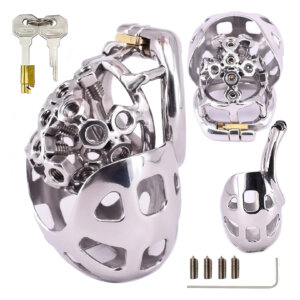
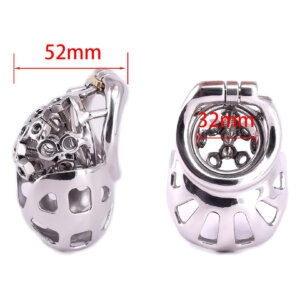
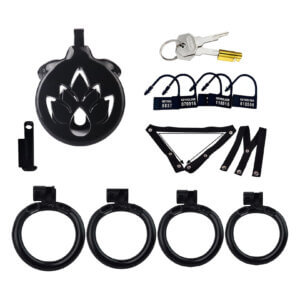
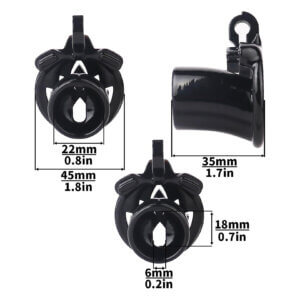
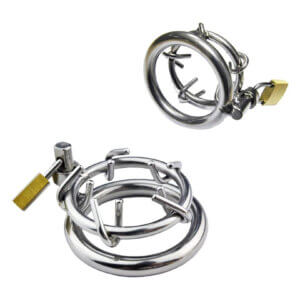
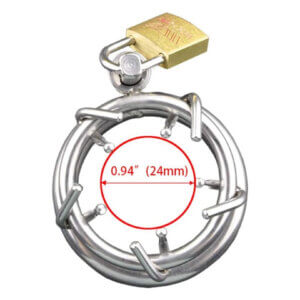
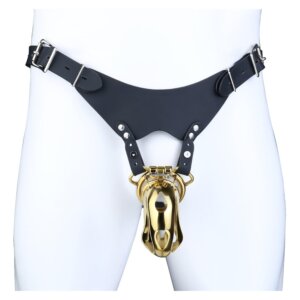
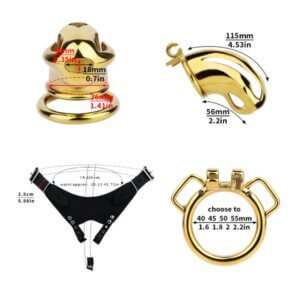
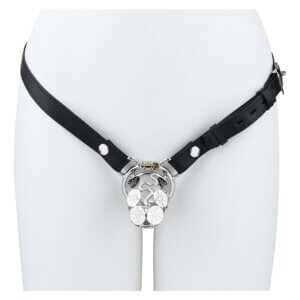
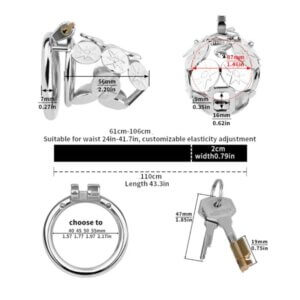
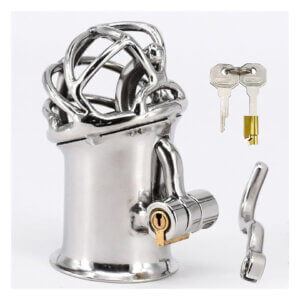
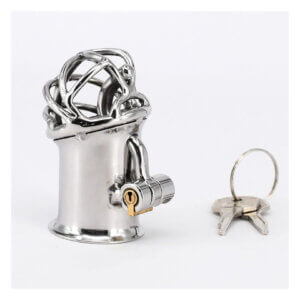
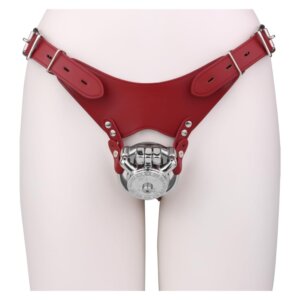
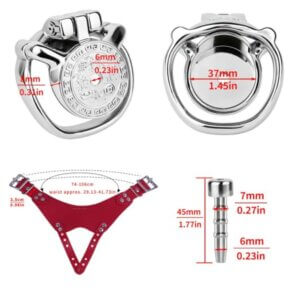
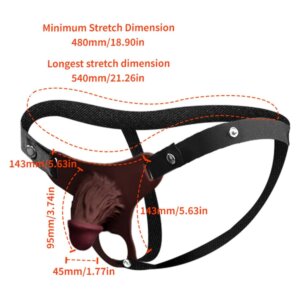
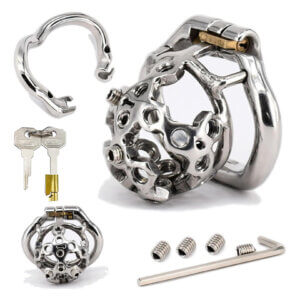
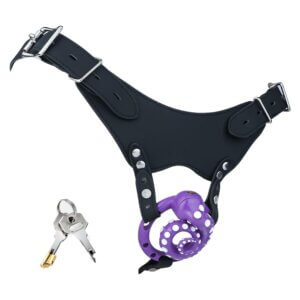
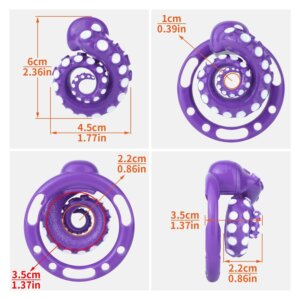
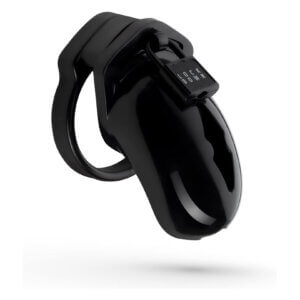
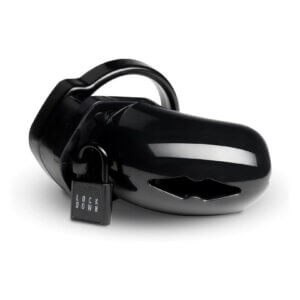
Wearing a device, giving another person control of the key, or extending a lockup does not convert the small abstinence studies into evidence of a testosterone treatment. Do not tighten a device, lengthen wear, or ignore discomfort in pursuit of a hormone effect that has not been established.
If your goal is structure or an agreed erotic challenge, judge that goal on communication, consent, comfort, and daily function. If your concern is a possible hormone problem, seek appropriate assessment rather than using NNN or device wear as a test.