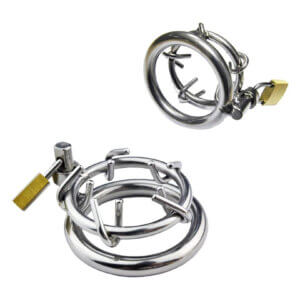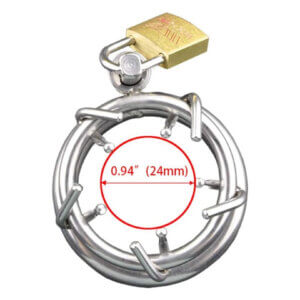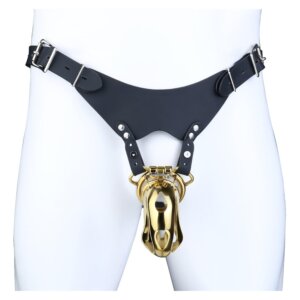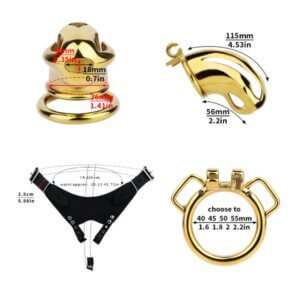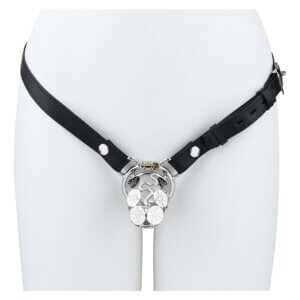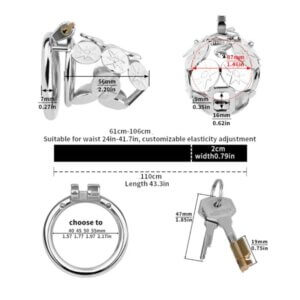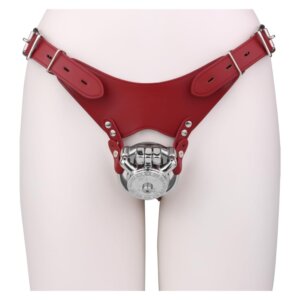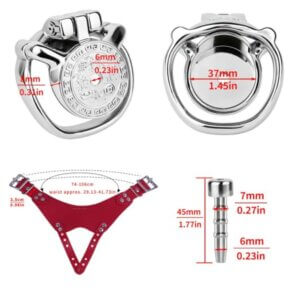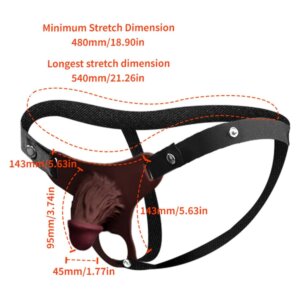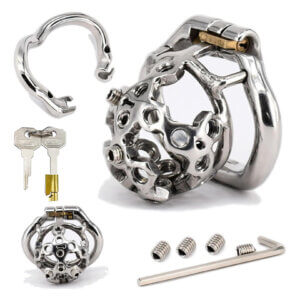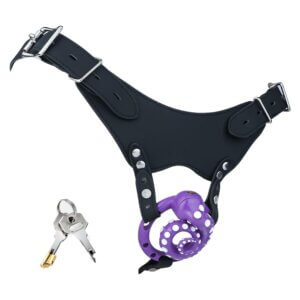

Current evidence does not show that participating in No Nut November for one month causes prostate cancer, and it does not show that completing the challenge prevents it. Research linking ejaculation frequency with prostate-cancer risk is observational, covers much longer periods, and cannot be converted into a prediction about one November.
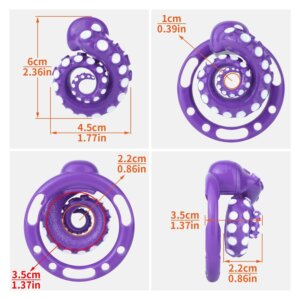
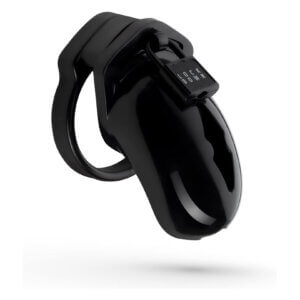
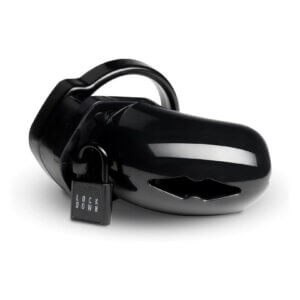
If chastity is part of your No Nut November plan, neither abstinence nor device use should be treated as a way to prevent, cause, diagnose, or monitor prostate cancer.
What researchers have observed
Large cohort studies have reported an association between more frequent ejaculation and a lower incidence of prostate cancer in some groups. These findings are worth studying, but association does not prove that ejaculation frequency caused the difference. Age, health behavior, screening, and other measured or unmeasured factors may influence the result.
What the studies do not tell us
- They did not test NNN as an intervention.
- They do not show that 30 days of abstinence changes an individual’s risk.
- They do not establish a medically required monthly ejaculation number.
- They cannot replace individual screening or risk assessment.
Mayo Clinic’s patient guidance describes the evidence as not conclusive enough to prescribe frequent ejaculation as a prostate-cancer prevention strategy. The responsible interpretation is narrow: population studies have found relationships that need context, not a rule that makes NNN dangerous.
Why November campaigns are easily confused
No Nut November is sometimes mixed up with Movember or No-Shave November, which are associated with men’s-health awareness and fundraising. That cultural overlap can create the false origin story that NNN began as a prostate-cancer campaign. Review NNN’s actual meaning and origins before treating a meme as health guidance.
What to do with personal risk questions
Do not use NNN participation or ejaculation frequency to estimate your personal cancer risk. Questions about symptoms, family history, screening, or individual risk belong with a qualified clinician. Persistent or concerning symptoms should be assessed rather than postponed until the challenge ends.
For other health claims, use the NNN evidence overview and the NNN myths fact-check instead of combining unrelated claims on this page.
Why a long-term association cannot answer a one-month question
Ejaculation-frequency studies group people by patterns reported over long periods. NNN is a short, self-selected challenge with different participants, rules, and behavior. Moving from “two variables were associated in a cohort” to “one month causes or prevents cancer” skips both time scale and causation.
Mayo Clinic notes that evidence is not conclusive enough to recommend frequent ejaculation as a prostate-cancer prevention strategy. That uncertainty works in both directions: it does not make NNN a proven risk, and it does not turn abstinence into prevention.
Keep personal risk separate from the challenge
Family history, age, symptoms, and screening decisions require individual medical guidance. Do not delay assessment of urinary changes, blood, persistent pain, a lump, or another concerning symptom until November ends. The NNN myths fact-check covers other health claims that should not be combined with cancer-risk advice.
Evidence: Mayo Clinic evidence summary; CAPLIFE observational study.
Do not use a chastity plan as prostate-risk management
The same evidence boundary applies whether you are abstaining without a device or following an agreed chastity plan. Longer wear and fewer ejaculations during one month cannot tell you how your personal cancer risk has changed.
Do not delay medical assessment of urinary changes, blood, a lump, or persistent pain because a rule or another person controls access to a key. Health concerns override the challenge, and device removal should never require proving that a symptom is serious enough.