
There is no scientifically established 30-day NNN timeline. People may notice urges, changes in attention, frustration, relief, or nothing unusual at all. Baseline habits, expectations, stress, sleep, relationships, and the rules a participant chooses can all shape the experience. A calendar graphic that promises the same physical or psychological milestone on a specific day is presenting speculation as certainty.
If chastity is part of your No Nut November plan, the useful timeline is not a viral day-by-day script; it is how your comfort, consent, communication, hygiene, and device use change during the month.
What may change across the month
The first days: a routine changes
The first noticeable effect may be practical rather than biological. A familiar activity is no longer available under the participant’s rules. Some people become more aware of cues and urges; others find the opening days easier than expected. Community reports include both experiences, which is exactly why they should not be treated as a universal body clock.
The middle: novelty fades
As the month continues, boredom, stress, social-media exposure, and habitual times or places may become more obvious. That observation can be useful if the goal is to understand a routine. It does not prove a hormone surge, neurological reset, or withdrawal syndrome.
This is a good point to compare the experience with the purpose written at the start. If participation has turned into constant checking or shame, revise the rules or stop. The personal NNN rules template is designed for that kind of reassessment.
The final week and the finish
Some participants feel proud of keeping a chosen commitment; others feel no different. The direct NNN study did not find a general change in its measured sexual-wellbeing outcomes across the challenge. Completion should therefore not be framed as proof of medical transformation, and stopping should not be framed as a moral failure.
What deserves attention
Temporary urges or frustration can accompany any behavior change. Persistent anxiety, pain, serious sleep disruption, compulsive monitoring, relationship conflict, or difficulty functioning deserves a pause. Learn when to stop NNN once that safety page is published. Until then, prioritize health and consent over a streak.
For the basic framework, see the meaning and origins of NNN and what commonly counts under NNN rules.
What changes are plausible—and what do they mean?
Changing a familiar routine can make cues more noticeable. A person might become aware of boredom, stress, bedtime habits, explicit-content exposure, or particular social feeds. That observation can help with behavior planning, but it is not evidence that the body is moving through a fixed detox or hormone schedule.
Reports of confidence, irritability, focus, low mood, stronger urges, or no change can all appear in community discussions. These reports describe individual experiences shaped by expectations and context. They should not be converted into a universal list of symptoms or promised milestones.
Use function as the checkpoint
Instead of asking whether a certain feeling is “normal for day 12,” ask whether you can still sleep, work, study, maintain relationships, and make voluntary decisions. The broader NNN mental-effects guide explains why mood and focus reports vary. If participation is creating ongoing anxiety or shame, use the NNN anxiety support steps rather than adding stricter rules.
Finishing the month is one possible endpoint, not a medical test. You can also revise the goal, stop early, or keep only the useful behavior change after November.
Evidence: direct longitudinal NNN research; review of abstinence claims and motivations.
What to monitor when NNN also includes chastity
Your experience may be shaped as much by the device and the agreed rules as by abstinence itself. Check fit, skin condition, hygiene, sleep, concentration, and whether you can ask for a pause without pressure. A partner involved in access to the key should receive clear information rather than assuming silence means everything is fine.
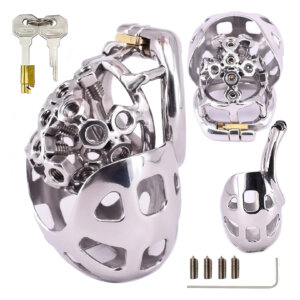
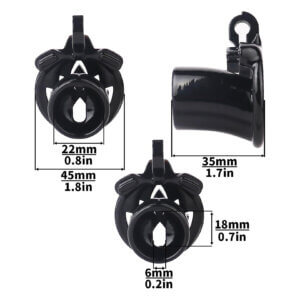
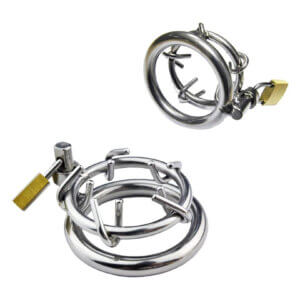
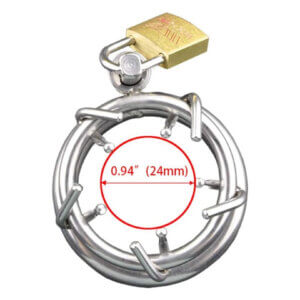
Do not treat discomfort as a milestone. Numbness, coldness, marked color change, sharp pain, swelling, broken skin, or difficulty urinating are reasons to remove the device and reassess. Use the chastity fit and safety guide instead of comparing your body with an online 30-day timeline.
Related products
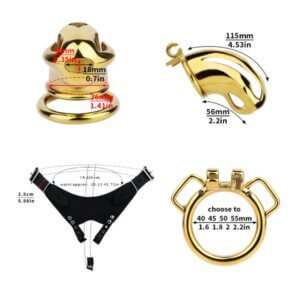
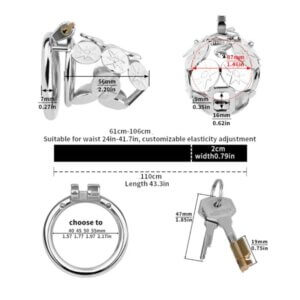
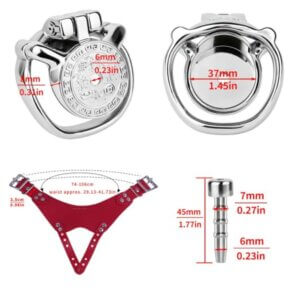
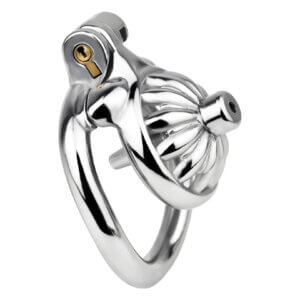
 Guide pickAdjustable-Ring Metal Chastity CageAdjustable-ring metal option with selectable fit settings for adults comparing…
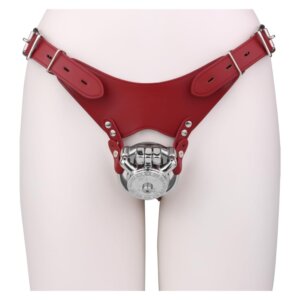
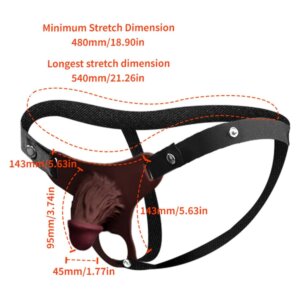
 Guide pick2.2-Inch Metal Chastity Cage with BeltBelt-supported metal option with four selectable ring sizes and a built-in key…